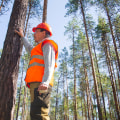
Tree inspections are a critical component of maintaining the health and safety of our urban and rural landscapes. These assessments involve a thorough examination of trees to identify any signs of disease, structural weaknesses, or potential hazards that could pose risks to people and property. By understanding the importance of tree inspection, property owners can take proactive steps to ensure their trees remain healthy and safe. During a tree inspection, certified arborists evaluate various factors, including the tree's overall health, growth patterns, and environmental conditions. This comprehensive tree health assessment not only helps in identifying existing issues but also aids in predicting future problems that may arise due to changing weather patterns or soil conditions.
Regular inspections can prevent costly damage and enhance the longevity of trees, making them a valuable asset in any landscape. Moreover, recognizing the significance of these inspections allows for timely interventions. Whether it’s pruning dead branches, treating diseases, or even removing hazardous trees, taking action based on inspection findings is essential for maintaining a safe environment. As we delve deeper into the potential hazards identified during tree inspections and the measures that can be taken to mitigate them, it becomes clear that these evaluations are not just beneficial but necessary for sustainable tree management.
Common Hazards Identified During Tree Inspections
During a tree inspection, several common hazards can be identified that may pose risks to the tree's health and safety. Recognizing these hazards is essential for effective tree risk assessment and subsequent mitigation strategies.- Disease: Trees can be susceptible to various diseases caused by fungi, bacteria, or viruses.
Common signs include discolored leaves, wilting, and unusual growths. Early detection through regular inspections can help in managing these diseases before they spread.
- Structural Weaknesses: A tree's structural integrity can be compromised due to factors such as poor pruning practices, decay, or damage from storms. Signs of structural weaknesses include cracks in the trunk, leaning trees, or dead branches. Identifying these issues allows for timely interventions, such as cabling or bracing.
- Pest Infestations: Insects and other pests can significantly affect a tree's health.
Infestations may manifest as holes in the bark, frass (insect droppings), or visible insects on the tree. Regular inspections help in detecting these pests early, allowing for appropriate treatments to be applied.
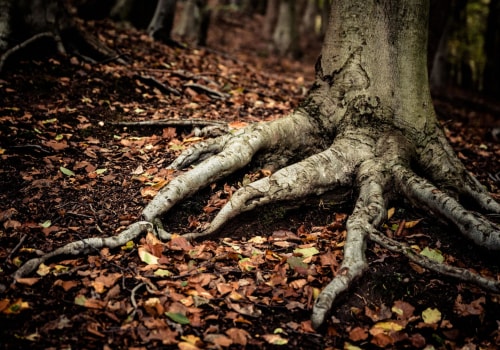
- Root Problems: The health of a tree is often linked to its root system. Issues such as root rot or girdling roots can lead to instability and decline. Inspecting the soil around the base of the tree can reveal signs of root distress.
Assessing the Severity of Identified Hazards
Assessing the severity of hazards identified during a tree inspection is crucial for effective risk management.This process involves evaluating the potential impact of each hazard on both the tree and its surrounding environment. By categorizing hazards based on their severity, tree care professionals can prioritize issues that pose the greatest risk.
1.Categorizing Hazards
- Low Severity: These hazards may include minor structural defects or superficial damage that do not significantly threaten the tree's health or safety. Regular monitoring is recommended.
- Moderate Severity: Hazards in this category could involve larger cracks or decay that may compromise the tree's stability over time. Mitigation strategies should be considered, such as pruning or cabling.
- High Severity: High-risk hazards, such as extensive root damage or severe leaning, require immediate attention.
These issues could lead to tree failure and pose a danger to people and property.
2.Risk Evaluation Techniques
To effectively evaluate tree risks, professionals often employ methods such as:
- Visual Assessment: A thorough visual inspection helps identify visible signs of distress, including dead branches, fungal growth, or bark abnormalities.
- Diagnostic Tools: Utilizing tools like resistographs or sonic tomographs can provide insights into internal decay and structural integrity.
- Environmental Factors: Consideration of external factors such as soil conditions, weather patterns, and proximity to structures is essential in assessing overall risk.
3.Prioritizing Tree Issues
Once hazards are categorized and evaluated, it’s important to prioritize them based on their potential impact. This prioritization allows for a structured approach to mitigation:
- Immediate Action: Address high-severity hazards promptly to prevent accidents.
- Scheduled Maintenance: Moderate hazards can be scheduled for treatment during routine maintenance visits.
- Monitoring: Low-severity issues should be monitored regularly to ensure they do not escalate into more serious problems.
Mitigation Measures for Tree Health Hazards
When conducting a tree inspection, identifying potential health hazards is just the first step. Implementing effective mitigation measures is crucial to ensure the longevity and vitality of trees. Here are several strategies to address health-related issues:- Treatment for Diseases: If a tree is diagnosed with a disease, appropriate treatments should be applied promptly.
This may include:
- Fungicides: For fungal infections, applying fungicides can help control the spread and protect healthy tissue.
- Antibiotics: In cases of bacterial infections, specific antibiotics may be necessary to combat the pathogens.
- Pest Management: Pests can severely impact tree health. Integrated Pest Management (IPM) strategies can be effective, including:
- Biological Control: Introducing natural predators can help keep pest populations in check.
- Cultural Practices: Maintaining tree health through proper watering, mulching, and pruning can reduce pest infestations.
- Improving Tree Resilience: Enhancing a tree's ability to withstand stressors is vital. Consider the following practices:
- Soil Health: Ensuring that the soil is rich in nutrients and well-aerated promotes strong root systems.
- Water Management: Adequate watering during dry spells and avoiding overwatering can prevent stress.
Structural Hazard Mitigation Techniques
When conducting a tree inspection, identifying structural hazards is crucial for ensuring the safety and longevity of trees.Once these hazards are recognized, implementing effective mitigation techniques becomes essential. Here are some key methods to address structural issues:
- Bracing Trees: This technique involves installing rigid supports to stabilize trees that exhibit signs of weakness or instability. Bracing can help prevent further damage during storms or high winds. It is particularly useful for trees with split trunks or large branches that are at risk of breaking.
- Cabling Trees: Cabling is another effective method for providing additional support to trees with structural weaknesses.
This technique uses flexible cables to connect branches or trunks, redistributing weight and reducing stress on vulnerable areas. Proper installation is critical, as it should allow for natural movement while providing necessary support.
- Pruning: Regular pruning can significantly enhance a tree's structural integrity. By removing dead or weak branches, you reduce the risk of breakage and improve the overall balance of the tree. Pruning should be done carefully to avoid causing additional stress.
- Soil Management: The health of a tree's root system is vital for its stability.
Ensuring proper soil drainage and aeration can prevent root rot and promote strong growth. In some cases, adding mulch or organic matter can improve soil quality and support root development.
Environmental Considerations in Tree Hazard Mitigation
When implementing hazard mitigation measures identified during a tree inspection, it is crucial to consider the environmental impact of these actions. Sustainable tree management practices not only protect the trees themselves but also contribute positively to the surrounding ecosystem.1.Prioritize Eco-Friendly Mitigation Strategies
- Selective Pruning: Instead of removing entire trees, consider selective pruning to reduce hazards while maintaining the tree's health and structural integrity.
This method minimizes waste and promotes natural growth.
- Natural Barriers: Use natural barriers such as shrubs or other vegetation to protect vulnerable trees from potential hazards like falling debris or soil erosion, rather than relying on synthetic materials.
- Integrated Pest Management (IPM): Implement IPM strategies to manage pests and diseases without resorting to harmful chemicals. This approach helps maintain biodiversity and protects beneficial organisms in the ecosystem.
2.Assess Soil Health
The health of the soil surrounding trees plays a significant role in their stability and growth. Conducting soil tests can help identify nutrient deficiencies or contamination that may affect tree health. By improving soil quality through organic amendments, you can enhance tree resilience against environmental stressors.
3.Community Engagement and Education
Engaging the community in tree care initiatives fosters a sense of responsibility towards local ecosystems.
Educational programs can inform residents about the importance of trees, encouraging them to participate in sustainable practices such as mulching, watering, and monitoring tree health.In conclusion, addressing environmental considerations during hazard mitigation not only safeguards individual trees but also supports broader ecological health. By adopting sustainable practices, we can ensure that our efforts in tree inspection and management yield long-term benefits for both trees and their surrounding environments.
When to Consult a Professional Arborist
Consulting a professional arborist is crucial when dealing with complex tree issues that pose potential hazards. While routine tree inspections can often be performed by homeowners, certain situations require the expertise of a certified arborist.When to Hire an Arborist:
- Severe Damage: If a tree has sustained significant damage from storms, pests, or disease, an arborist can assess the extent of the damage and recommend appropriate actions.
- Structural Concerns: Trees with visible structural issues, such as large cracks or splits in the trunk, should be evaluated by an expert to determine if they are at risk of falling.
- Unusual Growth Patterns: If a tree exhibits abnormal growth or signs of decline, such as leaf discoloration or premature leaf drop, an arborist can diagnose underlying problems.
- Proximity to Structures: Trees that are too close to buildings, power lines, or other structures may require professional assessment to mitigate risks associated with falling branches or uprooting.
- Pest Infestation: An infestation of pests like bark beetles or aphids can compromise a tree's health. An arborist can provide targeted treatments and preventive measures.
Expert Tree Care Advice:
A certified arborist not only identifies hazards but also offers tailored solutions for tree care.
They can recommend proper pruning techniques, soil management practices, and pest control strategies that align with the specific needs of your trees. Additionally, they can help you develop a long-term maintenance plan to ensure the health and safety of your trees.In summary, recognizing when to consult a professional arborist is essential for effective hazard mitigation. Their expertise can make a significant difference in maintaining the safety and vitality of your trees.
Frequently Asked Questions About Tree Inspection and Hazard Mitigation
When it comes to tree inspection, many homeowners and property managers have questions about the process and how to effectively mitigate potential hazards. Here are some frequently asked questions that can help clarify these concerns:What are the common signs of tree hazards?
During a tree inspection, look for the following signs that may indicate potential hazards:- Cracks or splits in the trunk or branches
- Dead or dying branches that could fall
- Fungal growth at the base or on the trunk
- Leaning trees that may be unstable
- Root damage or decay visible above ground
How often should I have my trees inspected?
It is recommended to conduct a tree inspection at least once a year, especially for older trees or those in high-risk areas.After severe weather events, an immediate inspection is advisable to assess any new damage.
What measures can I take to mitigate identified hazards?
If hazards are identified during a tree inspection, consider the following mitigation strategies:- Pruning: Remove dead or weak branches to reduce the risk of falling debris.
- Cabling and bracing: Support weak branches or trunks to enhance stability.
- Tree removal: In cases where a tree poses a significant risk, professional removal may be necessary.
- Pest and disease management: Treat any infestations or diseases promptly to prevent further deterioration.
- Soil management: Ensure proper drainage and aeration around tree roots to promote health.
Conclusion: Ensuring Tree Safety Through Proactive Measures
In conclusion, the importance of tree inspection cannot be overstated when it comes to maintaining the safety and health of our urban and rural landscapes. By identifying potential hazards early, property owners and arborists can take proactive measures to mitigate risks associated with tree failure, disease, and pest infestations. Implementing a regular inspection schedule is crucial. This allows for timely detection of issues such as:- Structural weaknesses that may lead to tree collapse.
- Signs of disease that could spread to other trees.
- Pest infestations that compromise tree health.
- Pruning: Regular pruning helps remove dead or diseased branches, reducing the risk of falling limbs.
- Cabling and bracing: For trees with structural weaknesses, these techniques can provide additional support and stability.
- Fertilization and soil management: Enhancing soil health can improve tree resilience against pests and diseases.
- Removal: In cases where a tree poses a significant risk and cannot be salvaged, safe removal is the best option to protect people and property.