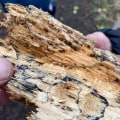
A tree inspection is a systematic evaluation of a tree's health, structure, and overall condition. This process involves a thorough examination of the tree's trunk, branches, leaves, and root system to identify any signs of disease, pest infestations, or structural weaknesses. By understanding what a tree inspection entails, property owners can appreciate its significance in maintaining the vitality of their trees. The importance of tree inspections cannot be overstated. Regular inspections help in early detection of potential issues that could compromise the health of the tree or pose safety risks to nearby structures and individuals.
For instance, identifying a fungal infection or insect infestation early on can lead to more effective treatment options and prevent further damage. Moreover, a well-maintained tree not only enhances the aesthetic appeal of a property but also contributes positively to the environment by improving air quality and providing shade. A comprehensive tree health assessment during an inspection also allows for informed decision-making regarding tree care practices. This includes determining the need for pruning, fertilization, or even removal in extreme cases. By investing in regular tree inspections, homeowners can ensure that their trees remain healthy and vibrant for years to come, ultimately leading to a safer and more beautiful landscape.
Benefits of Regular Tree Inspections
Regular tree inspections play a crucial role in maintaining the health and longevity of trees.By identifying potential issues early, property owners can take proactive measures to ensure their trees thrive. Here are some key benefits of conducting regular tree inspections:
- Early Detection of Diseases: Trees can be susceptible to various diseases that may not be immediately visible. Regular inspections allow for the early identification of symptoms, such as discoloration or unusual growth patterns, enabling timely treatment.
- Pest Management: Insects and pests can cause significant damage to trees if left unchecked. A thorough inspection can reveal signs of infestation, allowing for effective pest control measures to be implemented before the problem escalates.
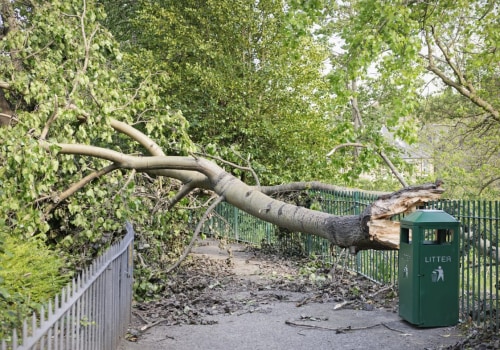
- Structural Integrity Assessment: Inspections help assess the structural integrity of trees, identifying any weaknesses or hazards such as dead branches or root issues.
This is particularly important for trees located near homes or public areas, where falling branches could pose a risk.
- Improved Aesthetics: Healthy trees enhance the beauty of any landscape. Regular inspections ensure that trees are pruned and maintained properly, contributing to a visually appealing environment.
- Increased Longevity: By addressing health issues and maintaining proper care through regular inspections, trees can live longer and remain productive, providing shade, beauty, and ecological benefits for years to come.
What to Expect During a Tree Inspection
When you schedule a tree inspection, you can expect a thorough evaluation of your trees by a certified arborist or tree care professional. The process typically begins with an initial consultation, where the inspector will discuss any specific concerns you may have about your trees, such as visible damage, disease symptoms, or overall health.Tree Inspection Process
- Visual Assessment: The inspector will conduct a visual examination of the tree's structure, including the trunk, branches, and leaves.
They will look for signs of decay, cracks, or any unusual growth patterns.
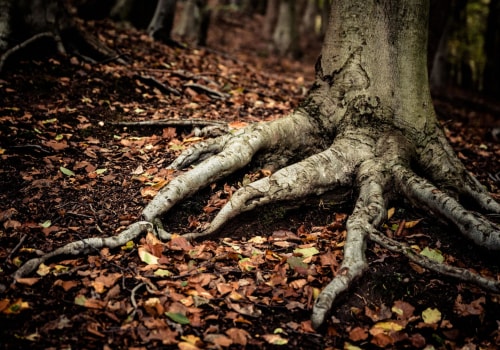
- Root Evaluation: If accessible, the roots will be assessed for health and stability. This may involve checking for root rot or other issues that could compromise the tree's foundation.
- Pest and Disease Check: The inspector will look for signs of pests or diseases that could affect the tree's health. This includes checking for insect infestations or fungal growth.
- Soil Condition: The quality of the soil surrounding the tree is also important. The inspector may evaluate soil moisture levels and compaction to ensure optimal growing conditions.
What Happens During a Tree Inspection
During the inspection, the arborist will take detailed notes and may use tools such as a mallet to tap on the trunk to assess its soundness.
They might also employ diagnostic equipment to measure moisture levels or detect root problems below the surface.
Tree Inspection Checklist
- Overall tree health and vigor
- Presence of dead or dying branches
- Signs of pest infestations
- Fungal growth on bark or leaves
- Root stability and condition
- Soil quality and drainage
Common Issues Identified in Tree Inspections
During a tree inspection, several common issues can be identified that may affect the health and stability of trees. Recognizing these problems early can significantly enhance tree maintenance and care.- Disease Symptoms: Trees can suffer from various diseases that manifest through visible symptoms. Common signs include:
- Discoloration of leaves: Yellowing or browning leaves may indicate nutrient deficiencies or disease.
- Wilting or drooping: This can be a sign of root problems or insufficient water supply.
- Fungal growth: The presence of mushrooms or other fungi at the base of the tree often suggests decay or root rot.
- Structural Issues: A tree's structure is crucial for its stability.
During an inspection, look for:
- Cavities and cracks: These can weaken the tree and make it susceptible to breakage.
- Weak branch unions: Poorly formed branch angles can lead to splitting during storms.
- Lean: A tree that leans significantly may indicate root problems or instability.
- Pest Infestations: Insects can cause severe damage to trees. Signs of pest issues include:
- Boreholes in the trunk: These may indicate wood-boring insects.
- Sawdust accumulation: This can be a sign of active infestations.
- Visible pests: Finding insects on leaves or bark is a clear indicator of a problem.
How to Prepare for a Tree Inspection
Preparing for a tree inspection is crucial to ensure that the process is thorough and effective. Here are some practical tips to help homeowners get ready:- Know Your Trees: Familiarize yourself with the types of trees on your property.
Understanding their specific needs and potential issues can help you communicate effectively with the inspector.
- Document Existing Conditions: Take notes or photographs of any visible issues such as dead branches, signs of disease, or unusual growth patterns. This documentation can provide valuable insights during the inspection.
- Clear the Area: Ensure that the area around the trees is accessible. Remove any debris, furniture, or obstacles that might hinder the inspector's ability to assess the trees properly.
- Gather Relevant Information: Compile any previous inspection reports, maintenance records, or treatment history. This information can help the inspector understand the tree's background and any recurring issues.
- Prepare Questions: Think about any specific concerns you have regarding your trees.
Preparing a list of questions can help you make the most of the inspection and ensure that all your concerns are addressed.
Choosing the Right Professional for Tree Inspections
When it comes to tree inspections, selecting the right professional is crucial for ensuring the health and longevity of your trees. Here are some key factors to consider when choosing a qualified tree inspector:- Certification and Credentials: Look for a certified arborist who has undergone rigorous training and holds credentials from recognized organizations, such as the International Society of Arboriculture (ISA). This certification indicates that the inspector has a solid understanding of tree biology, health, and maintenance practices.
- Experience: Inquire about the inspector's experience in the field.
A professional with several years of experience is likely to have encountered a variety of tree species and health issues, making them more adept at identifying potential problems.
- References and Reviews: Ask for references or check online reviews to gauge the quality of their services. Feedback from previous clients can provide insight into their reliability, professionalism, and effectiveness in conducting tree inspections.
- Insurance: Ensure that the inspector carries liability insurance. This protects you from any potential damages or accidents that may occur during the inspection process.
- Comprehensive Services: A good tree inspector should offer a range of services beyond just inspections, including recommendations for care, maintenance plans, and even emergency services if necessary.
This will help you assess their expertise and ensure they align with your expectations.By taking the time to choose a qualified professional for your tree inspection, you can ensure that your trees receive the best possible care, ultimately contributing to their health and vitality.
Conclusion: The Role of Tree Inspections in Sustainable Tree Care
In conclusion, tree inspections play a pivotal role in the overall health and sustainability of trees. By identifying potential issues early, these inspections not only help in maintaining the aesthetic appeal of landscapes but also contribute significantly to the safety of surrounding areas. Regular assessments allow for timely interventions, which can prevent minor problems from escalating into major hazards.Throughout this article, we have explored various aspects of how tree inspections facilitate effective tree maintenance and care:- Early Detection: Inspections help in spotting diseases, pests, and structural weaknesses before they become severe.
- Informed Decision-Making: Knowledge gained from inspections empowers property owners to make educated choices regarding pruning, treatment, or removal.
- Enhanced Longevity: Regular care based on inspection findings can extend the life of trees, ensuring they thrive for generations.
- Sustainability: By maintaining healthy trees, we contribute to environmental sustainability, supporting biodiversity and improving air quality.
Embrace the importance of regular tree assessments to ensure that your trees remain vibrant and beneficial for years to come.