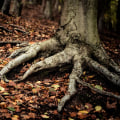
Tree inspections are a vital practice for maintaining the health and safety of your landscape. These assessments involve a thorough examination of trees to identify any signs of disease, pest infestations, or structural weaknesses. By conducting regular tree inspections, property owners can ensure that their trees remain healthy and vibrant, while also mitigating potential hazards that could arise from neglected tree care. The significance of tree inspections extends beyond mere aesthetics; they play a crucial role in preventing accidents and property damage. Trees that are not properly maintained can pose serious risks, especially during storms or high winds when weakened branches may fall.
A professional tree health assessment can pinpoint issues early on, allowing for timely interventions such as pruning or removal, which can save both lives and property. Moreover, understanding the importance of tree inspections fosters a proactive approach to tree care. Regular evaluations not only enhance the longevity of your trees but also contribute to the overall health of your landscape ecosystem. By investing in these inspections, you are taking a significant step towards preserving the beauty and safety of your outdoor environment.
Signs That Indicate a Tree Needs Inspection
Identifying the signs that indicate a tree needs inspection is crucial for maintaining the health of your landscape. Trees can exhibit various symptoms that suggest they may be unhealthy or at risk, and recognizing these early can prevent further damage or safety hazards.- Visible Damage: Look for broken branches, cracks in the trunk, or peeling bark.
These physical signs can indicate structural weaknesses that may require immediate attention.
- Leaf Discoloration: Healthy trees typically have vibrant green leaves. If you notice yellowing, browning, or premature leaf drop, it may signal stress or disease.
- Unusual Growth Patterns: Trees that are leaning significantly or have uneven growth can be at risk of falling. This could be due to root issues or environmental factors.
- Pest Infestation: Signs of pests, such as holes in the bark or visible insects, can compromise a tree's health. Regular inspections can help catch these infestations early.
- Fungal Growth: The presence of mushrooms or other fungi at the base of a tree often indicates decay.
This is a serious sign that should prompt an immediate inspection.
- Environmental Stress: Changes in soil conditions, such as compaction or drainage issues, can affect tree health. If you notice changes in your landscape, it’s wise to inspect your trees.
What Happens During a Tree Inspection?
A tree inspection is a systematic process that involves a thorough evaluation of a tree's health and structural integrity. During this inspection, professionals utilize a combination of visual assessments and specialized tools to identify any potential issues that may necessitate removal or pruning.Visual Assessment
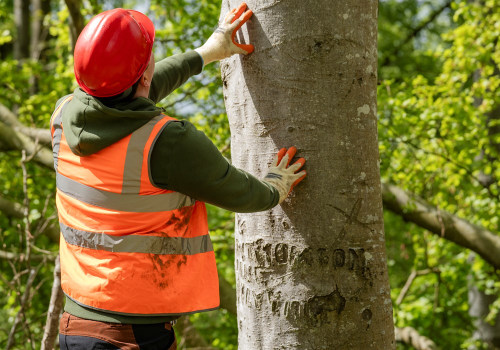
- The inspector begins with a visual examination of the tree from various angles, looking for signs of disease, decay, or damage.
- They assess the tree's overall shape and structure, checking for any leaning or unusual growth patterns that could indicate underlying problems.
- Leaves, bark, and branches are closely examined for discoloration, spots, or other abnormalities that may signal health issues.
Tools Used in Tree Inspections
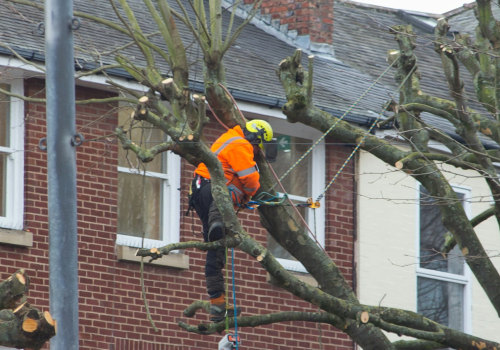
- Climbing Gear: For larger trees, inspectors may use climbing gear to access higher branches and get a better view of the tree's condition.
- Diagnostic Tools: Tools such as resistographs or sonic tomographs can be employed to measure wood density and detect internal decay that isn't visible from the outside.
- Measuring Devices: Diameter tape and height measuring devices help assess the size of the tree, which is crucial for understanding its growth patterns and health status.
Steps in the Tree Assessment Process
- Initial Consultation: The process often begins with a discussion about any specific concerns the property owner may have regarding the tree.
- Site Evaluation: The inspector evaluates the surrounding environment, including soil conditions and nearby structures that may affect the tree's health.
- Detailed Inspection: A comprehensive examination follows, where all findings are documented for further analysis.
- Recommendations: Finally, based on the assessment, the inspector provides recommendations for care, which may include pruning or removal if necessary.
By understanding what to expect during a tree inspection, homeowners can make informed decisions about their landscape management.
Identifying Trees That Need Pruning
Regular tree inspections play a crucial role in identifying trees that may require pruning. During an inspection, certified arborists assess the overall health of the tree, looking for signs of disease, damage, or structural issues that could necessitate pruning. This proactive approach helps ensure that trees remain healthy and safe for their surroundings.When to Prune Trees
- Seasonal Timing: The best time to prune most trees is during their dormant season, typically late winter to early spring. This timing minimizes stress on the tree and promotes healthy growth in the spring.
- Signs of Need: Trees showing dead or diseased branches, excessive crossing limbs, or those that obstruct structures or pathways are prime candidates for pruning.
Benefits of Pruning Trees
- Improved Health: Pruning removes dead or diseased branches, allowing the tree to focus its energy on healthy growth.
- Enhanced Safety: Regular inspections and subsequent pruning can prevent falling branches that pose risks to people and property.
- Aesthetic Appeal: Properly pruned trees enhance the beauty of landscapes, contributing to property value and curb appeal.
By addressing these needs promptly, property owners can ensure their trees remain healthy, safe, and visually appealing.
Determining Trees That May Need Removal
Conducting a tree inspection is essential for identifying trees that may need to be removed due to safety concerns or health issues. Several criteria can help determine whether a tree poses a risk and should be taken down.Tree Removal Criteria
- Structural Integrity: Trees with significant structural damage, such as large cracks or splits in the trunk, are at a higher risk of falling.
- Root Damage: Compromised root systems, often caused by soil erosion or disease, can lead to instability.
- Pest Infestation: Trees infested with pests like bark beetles or termites may be weakened and more susceptible to disease.
- Disease: Fungal infections or other diseases that affect the tree's health can lead to decay and increased risk of failure.
Signs a Tree Should Be Removed
- Dead Branches: If more than 50% of the tree's branches are dead, it may be time to consider removal.
- Leaning: A tree that leans significantly may be unstable and could fall unexpectedly.
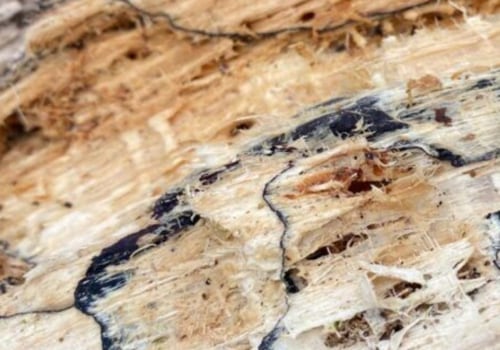
- Cavities and Decay: Large cavities in the trunk or branches indicate internal decay, which compromises the tree's strength.
- Proximity to Structures: Trees too close to homes or other structures can cause damage if they fall.
Regular tree inspections not only help identify trees that need removal but also promote a healthier landscape overall. By addressing potential hazards early, homeowners can protect their property and ensure the safety of their family and neighbors.
The Role of Professional Arborists in Tree Inspections
When it comes to tree inspections, the expertise of a professional arborist is invaluable. These trained specialists possess a deep understanding of tree biology, health, and structural integrity, allowing them to conduct thorough assessments that go beyond surface-level observations.Why Hire a Professional Arborist?
- Expert Knowledge: Arborists are equipped with the knowledge to identify various tree diseases, pests, and structural issues that may not be apparent to the untrained eye.
- Safety Considerations: Trees that are diseased or structurally compromised can pose significant safety risks. A professional arborist can assess these risks and recommend appropriate actions, whether it be pruning or removal.
- Proper Techniques: Hiring an arborist ensures that any necessary pruning or removal is done using industry best practices, which helps maintain the health of surrounding trees and the overall ecosystem.
Benefits of Professional Tree Inspection
- Accurate Assessments: Professional arborists use specialized tools and techniques to evaluate tree health accurately, providing a detailed report on the condition of your trees.
- Long-Term Planning: An arborist can help you develop a long-term care plan for your trees, ensuring they remain healthy and safe for years to come.
- Informed Decisions: With their expert recommendations, property owners can make informed decisions about tree care, including when to prune or remove trees to prevent future hazards.
Their expertise is essential for making informed decisions that protect both your property and the environment.
Frequently Asked Questions About Tree Inspections
Tree inspections are essential for maintaining the health and safety of your landscape. Here are some frequently asked questions about tree inspections that can help you understand their importance and process.- What is a tree inspection?
A tree inspection is a thorough assessment of a tree's health, structure, and safety. It involves examining the trunk, branches, leaves, and root system to identify any signs of disease, damage, or instability. - Why should I have my trees inspected?
Regular tree inspections can help identify potential hazards, such as weak branches or root rot, that may require pruning or removal. This proactive approach can prevent accidents and promote the overall health of your trees. - How often should I have my trees inspected?
It is recommended to have a professional tree inspection at least once a year, especially for older trees or those in urban areas.However, after severe weather events or if you notice any changes in your trees, an immediate inspection is advisable.
- What are the signs that my tree needs to be inspected?
Look for signs such as dead branches, peeling bark, fungal growth, or leaning trunks. If you notice any of these symptoms, it’s time to schedule a tree inspection. - Who should perform a tree inspection?
It’s best to hire a certified arborist for tree inspections. They have the expertise to accurately assess the condition of your trees and recommend appropriate actions.