Tree inspection is a critical practice that involves a thorough assessment of trees to evaluate their health, stability, and safety. This process is essential for identifying potential hazards, such as dead branches or root decay, which can pose risks to people and property. By understanding what tree inspection entails, homeowners and property managers can take proactive measures to ensure the longevity and vitality of their trees. The importance of tree inspection cannot be overstated. Regular inspections help in detecting early signs of disease or pest infestations, allowing for timely intervention.
Moreover, a well-maintained tree not only enhances the aesthetic appeal of a landscape but also contributes to environmental benefits such as improved air quality and increased biodiversity. A comprehensive tree health assessment during inspections can reveal underlying issues that may not be immediately visible, ensuring that trees remain healthy and safe for years to come. In essence, tree inspection serves as a vital tool in the stewardship of our green spaces. It empowers individuals to make informed decisions regarding tree care and management, ultimately fostering a safer and more sustainable environment. As we delve deeper into the specifics of tree inspection in this article, you will discover how this practice can safeguard your property while promoting the health of your trees.
The Importance of Regular Tree Inspections
Regular tree inspections are essential for maintaining the health and safety of your trees, as well as protecting your property.Trees can pose significant risks if not properly monitored, making it crucial to understand the importance of these inspections.
Why Regular Tree Inspections are Necessary
- Safety Concerns: Dead or diseased trees can become hazardous, especially during storms or high winds. Regular inspections help identify potential threats before they cause damage or injury.
- Health Assessments: Trees can suffer from various diseases and pest infestations that may not be immediately visible. Routine inspections allow for early detection and treatment, ensuring the longevity of your trees.
- Property Value Preservation: Well-maintained trees enhance the aesthetic appeal of your property. Regular inspections contribute to a healthy landscape, which can positively impact property value.
Benefits of Tree Inspections
- Preventative Care: By identifying issues early, you can take proactive measures to treat or remove problematic trees, reducing the risk of costly repairs later.
- Improved Tree Health: Inspections provide insights into the overall health of your trees, allowing for better care practices that promote growth and vitality.
- Enhanced Safety: Regular checks ensure that any structural weaknesses are addressed promptly, minimizing the risk of falling branches or tree failures.
They not only safeguard your property and loved ones but also contribute to the overall health and beauty of your landscape. Investing in these inspections is a small price to pay for peace of mind and the preservation of your natural surroundings.
Signs That Your Trees Need Inspection
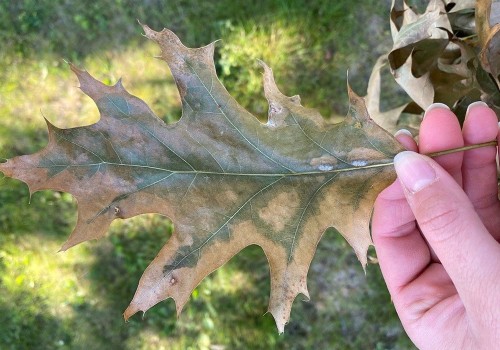
Identifying the signs of unhealthy trees is crucial for maintaining the health of your landscape and ensuring safety. Here are some key indicators that your trees may need a professional tree inspection:- Discoloration of Leaves: If you notice leaves turning yellow, brown, or dropping prematurely, it could indicate stress or disease.
- Dead Branches: Branches that are dead or dying can pose a risk to your property and may suggest underlying health issues.
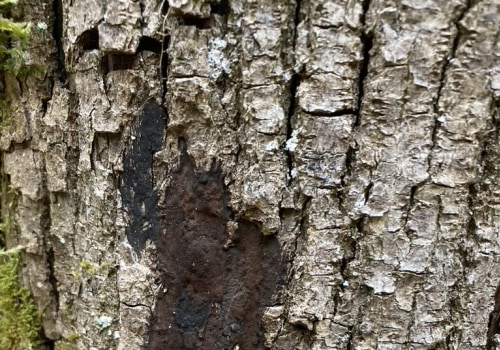
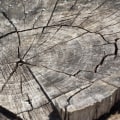
- Cracks in the Bark: Deep cracks or splits in the bark can expose the tree to pests and diseases, necessitating immediate attention.
- Mushrooms or Fungi: The presence of mushrooms or fungi at the base of a tree often indicates decay and should prompt an inspection.
- Unusual Growths: Galls, cankers, or other abnormal growths on the trunk or branches can signal problems that require expert evaluation.
- Leaning Trees: A tree that has suddenly started leaning may be unstable and at risk of falling.
- Pest Infestations: Visible signs of pests, such as holes in the bark or sawdust around the base, warrant immediate inspection.
- Root Damage: Exposed roots or soil erosion around the base can compromise a tree's stability and health.
The Tree Inspection Process
Conducting a tree inspection is essential for maintaining the health and safety of your trees. Whether you are a homeowner or a professional arborist, understanding the tree inspection process can help identify potential issues before they become serious problems.How to Inspect a Tree
When inspecting a tree, start with a visual assessment from a distance.Look for any obvious signs of distress, such as:
- Dead or dying branches
- Discoloration of leaves
- Cracks or wounds on the trunk
- Unusual growths or fungi
- Check the trunk: Look for signs of decay, cracks, or insect infestations.
- Inspect the branches: Ensure they are healthy and free from disease. Pay attention to any branches that are crossing or rubbing against each other.
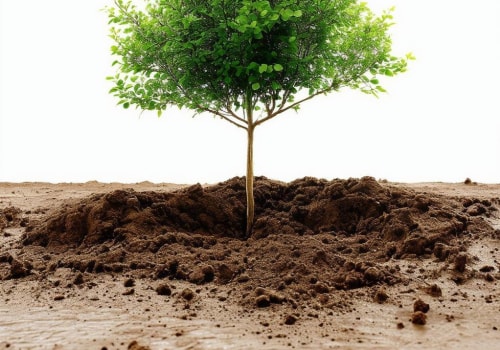
- Examine the roots: If possible, check for root stability and any signs of rot or damage.
- Assess the surrounding area: Ensure there are no obstructions that could affect the tree's growth or health.
Professional Tree Inspection Process
A professional tree inspection typically involves more advanced techniques and tools. Arborists may use equipment such as:- Drones for aerial assessments
- Sonic tomography to detect internal decay
- Coring tools to analyze wood density
After completing the inspection, professionals will provide a detailed report outlining their findings and recommendations for care or treatment.By understanding both basic and professional tree inspection steps, homeowners can take proactive measures to ensure their trees remain healthy and safe for years to come.
Common Tree Diseases and Pests Detected During Inspections
Tree inspections play a crucial role in identifying common tree diseases and pests affecting trees, which can significantly impact the health and longevity of your trees. Early detection during these inspections can prevent minor issues from escalating into major problems.Common Tree Diseases
- Powdery Mildew: This fungal disease appears as a white powdery substance on leaves, often leading to leaf drop and reduced vigor.
- Root Rot: Caused by various fungi, root rot can lead to tree decline and death if not addressed promptly. Symptoms include yellowing leaves and stunted growth.
- Leaf Spot: This disease manifests as dark spots on leaves, which can lead to premature leaf drop and weaken the tree's overall health.
Pests Affecting Trees
- Aphids: These small insects suck sap from trees, causing leaves to curl and become discolored. They can also attract other pests like ants.
- Borers: Wood-boring insects can damage the inner bark of trees, disrupting nutrient flow and potentially leading to tree death.
- Spider Mites: These tiny pests can cause stippling on leaves and may lead to webbing if infestations are severe.
By addressing diseases and pest infestations early, you can ensure your trees remain healthy and vibrant for years to come. Neglecting these signs can lead to irreversible damage, making inspections an essential part of tree care.
The Role of Certified Arborists in Tree Inspections
When it comes to tree inspection, the expertise of a certified arborist is invaluable. These professionals are trained to assess the health and stability of trees, identifying potential risks that may not be visible to the untrained eye. Their knowledge encompasses various aspects of tree biology, pest management, and environmental factors that can affect tree health.Benefits of Hiring a Certified Arborist
- Accurate Assessments: Certified arborists utilize specialized tools and techniques to evaluate tree conditions accurately.
This ensures that any issues are identified early, preventing potential hazards.
- Expert Recommendations: After a thorough inspection, arborists provide tailored recommendations for care or treatment, which can include pruning, pest control, or even removal if necessary.
- Safety Considerations: Trees can pose significant risks if they are unhealthy or unstable. A certified arborist can assess these risks and advise on safety measures to protect your property and loved ones.
- Long-term Health: Regular inspections by an arborist contribute to the long-term health of your trees, ensuring they thrive in their environment.
Their expertise leads to informed decisions about tree care, ultimately benefiting both the trees and the surrounding environment.
FAQs About Tree Inspection
Tree inspection is a crucial aspect of maintaining the health and safety of trees in both urban and rural environments. Here are some frequently asked questions that can help clarify the importance and process of tree inspections.What is a tree inspection?
A tree inspection involves a thorough examination of a tree's health, structure, and overall condition. This process helps identify any potential issues such as disease, pest infestations, or structural weaknesses that could pose risks to people or property.How often should trees be inspected?
The frequency of tree inspections can vary based on several factors, including the species of the tree, its age, and its location. Generally, it is recommended to inspect:- Young trees: Every 1-2 years to monitor growth and development.
- Mature trees: Annually, especially if they are located near structures or high-traffic areas.
- Older or damaged trees: Bi-annually or after severe weather events to assess any new risks.
What are common signs that a tree needs inspection?
There are several indicators that may suggest a tree requires an inspection:- Visible damage: Cracks, splits, or broken branches.
- Fungal growth: Mushrooms or other fungi growing at the base or on the trunk.
- Leaf discoloration: Yellowing or wilting leaves can indicate stress or disease.
- Unusual leaning: A significant tilt may suggest root problems.
Regular tree inspections not only help in maintaining the aesthetic value of your landscape but also ensure safety for your property and loved ones.
Conclusion: The Long-Term Benefits of Tree Inspection
In conclusion, tree inspection is not merely a routine task; it is a vital practice that ensures the health and safety of both trees and the surrounding environment. Regular inspections can help identify potential hazards, such as dead branches or root issues, that could pose risks to people and property. By addressing these concerns proactively, homeowners and property managers can prevent costly damages and enhance the longevity of their trees.Moreover, tree inspection plays a crucial role in maintaining the overall health of your landscape. Healthy trees contribute to improved air quality, provide shade, and enhance the aesthetic appeal of your property.By investing in regular inspections, you are not only safeguarding your immediate environment but also promoting biodiversity and supporting local ecosystems.
- Safety: Regular inspections help mitigate risks associated with falling branches or unstable trees.
- Health: Identifying diseases early can lead to effective treatment and recovery for affected trees.
- Cost-Effectiveness: Preventative measures taken during inspections can save significant costs related to emergency tree removal or property damage.
- Aesthetic Value: Well-maintained trees enhance the beauty of your landscape, increasing property value.