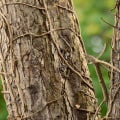
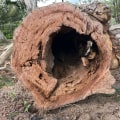
Tree inspections are a crucial aspect of maintaining the health and vitality of our urban and rural landscapes. Regular tree inspections not only help in identifying potential hazards but also play a significant role in preventing the spread of diseases that can affect not just individual trees but entire ecosystems. By understanding the importance of these inspections, property owners and arborists can take proactive measures to ensure that trees remain healthy and resilient. During a tree inspection, trained professionals assess various factors that contribute to tree health, including soil conditions, structural integrity, and signs of disease. This comprehensive evaluation allows for early detection of issues that may otherwise go unnoticed until they escalate into more severe problems.
For instance, certain diseases can weaken a tree's structure, making it more susceptible to falling during storms or high winds. Therefore, regular inspections are essential for tree maintenance and ensuring the safety of surrounding areas. Moreover, understanding the significance of tree health extends beyond aesthetics; it impacts local wildlife, air quality, and even property values. Healthy trees contribute to a balanced ecosystem, providing habitat for various species and improving overall environmental quality. By prioritizing tree inspections, we not only safeguard our trees but also enhance the well-being of our communities.
Common Tree Diseases Detected During Inspections
During a tree inspection, several common diseases can be identified that may significantly impact the health and longevity of trees.Understanding these diseases is crucial for maintaining tree vitality and preventing further spread.
- Powdery Mildew: This fungal disease appears as a white, powdery substance on leaves and stems. It thrives in warm, dry conditions and can lead to leaf distortion and reduced photosynthesis.
- Root Rot: Caused by various fungi, root rot affects the tree's root system, leading to wilting, yellowing leaves, and ultimately tree death. Symptoms often manifest as a decline in overall vigor.
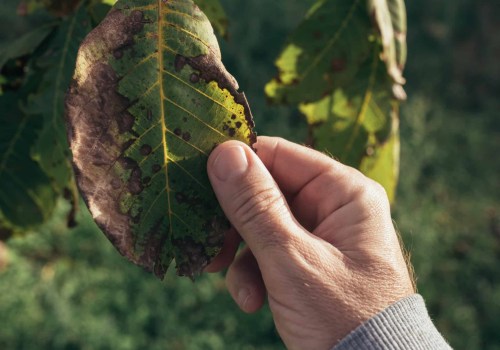
- Leaf Spot: This disease is characterized by dark spots on leaves, which can vary in color depending on the pathogen. Leaf spot diseases can weaken trees by reducing their ability to photosynthesize effectively.
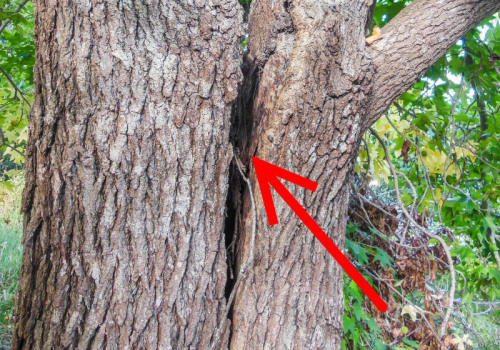
- Canker Diseases: Cankers are localized areas of dead tissue on stems or branches, often caused by fungi or bacteria.
They can girdle branches, leading to dieback and structural weakness.
- Anthracnose: This fungal disease primarily affects hardwood trees, causing leaf spots, twig dieback, and premature leaf drop. It thrives in wet conditions and can severely impact tree aesthetics and health.
Fungal Infections in Trees
Fungal infections are among the most common issues identified during a tree inspection. These infections can lead to significant health problems for trees, often resulting in decline or death if not managed properly.Understanding the types of fungal diseases, their symptoms, and management strategies is crucial for maintaining tree health.
Common Fungal Infections
- Root Rot: This condition is caused by various fungi, including Phytophthora and Armillaria. It typically occurs in poorly drained soils and can lead to the decay of roots, making it difficult for trees to absorb water and nutrients.
- Powdery Mildew: Characterized by a white, powdery coating on leaves, this fungal disease thrives in warm, dry conditions. It can stunt growth and reduce photosynthesis, leading to weakened trees.
- Canker Diseases: These are localized areas of dead tissue on stems or branches caused by fungi such as Coryneum or Botryosphaeria. Cankers can girdle branches, leading to dieback.
Signs of Fungal Disease
Identifying the signs of fungal infections early can help in effective management.Look for:
- Discoloration: Yellowing or browning leaves may indicate stress from fungal infections.
- Wilting: Trees may exhibit wilting leaves or branches due to root damage from rot.
- Mushrooms or Fruiting Bodies: The presence of mushrooms at the base of a tree often indicates root rot or decay.
Management Strategies
Effective management of fungal infections involves:- Proper Watering: Ensure adequate drainage and avoid overwatering to prevent conditions favorable for fungi.
- Cultural Practices: Maintain tree health through proper pruning and fertilization to enhance resistance against diseases.
- Pesticides: In some cases, fungicides may be necessary; however, they should be used judiciously and as a last resort.
Bacterial Diseases Affecting Trees
Bacterial diseases can pose significant threats to the health of trees, often leading to severe damage or even death if not managed properly. Two of the most common bacterial diseases affecting trees are fire blight and bacterial leaf scorch.Fire Blight
Fire blight is primarily caused by the bacterium Erwinia amylovora, which affects a variety of fruit trees, particularly apples and pears. This disease is characterized by the rapid wilting and blackening of blossoms, shoots, and branches, giving the appearance of having been scorched by fire. Infected trees may also exhibit cankers, which are sunken areas on the bark that can ooze a sticky substance.- Symptoms: Wilting flowers, blackened shoots, and cankers.
- Management: Pruning infected branches during dry weather and applying appropriate bactericides can help control the spread.
Bacterial Leaf Scorch
Bacterial leaf scorch is caused by several species of bacteria, including Xylella fastidiosa.This disease affects a wide range of trees, including oaks, sycamores, and elms. Symptoms typically include yellowing leaves with brown edges, stunted growth, and premature leaf drop. The bacteria block water movement within the tree, leading to stress and decline.
- Symptoms: Yellowing leaves with brown edges, stunted growth.
- Management: While there is no cure for bacterial leaf scorch, maintaining tree health through proper watering and fertilization can help mitigate symptoms. Additionally, controlling insect vectors that spread the bacteria is crucial.
Early detection and intervention can significantly improve the chances of saving affected trees and maintaining a healthy landscape.
Viral Infections in Trees
Viral infections in trees can pose significant challenges to their health and longevity. These infections are caused by various tree viruses that can lead to a range of symptoms, often making early detection crucial for effective management.One of the most common symptoms of viral disease in trees is leaf discoloration. This can manifest as yellowing, mottling, or even necrosis of the leaves. Infected trees may also exhibit stunted growth, which can severely impact their overall vigor and productivity.Another notable symptom is the presence of galls or abnormal growths on leaves, stems, or roots.These galls can vary in size and shape, often leading to further complications such as reduced photosynthesis and increased susceptibility to other pests and diseases.
- Common Tree Viruses:
- Apple Mosaic Virus: Affects apple trees, causing leaf mottling and reduced fruit quality.
- Cherry Leaf Roll Virus: Primarily impacts cherry trees, leading to leaf curling and premature leaf drop.
- Tobacco Mosaic Virus: While more common in herbaceous plants, it can also affect certain tree species, resulting in stunted growth and leaf distortion.
Pest Infestations and Their Impact on Tree Health
Pest infestations can significantly impact the health of trees, leading to a range of diseases that can compromise their vitality and longevity.Common tree pests such as aphids and bark beetles are notorious for causing damage that may not be immediately visible but can have severe consequences over time.
Aphids: The Silent Threat
Aphids are small, sap-sucking insects that can weaken trees by extracting vital nutrients. Their feeding can lead to:- Stunted growth: Trees may exhibit reduced growth rates due to nutrient depletion.
- Leaf curling: Infested leaves often curl and distort, affecting photosynthesis.
- Sooty mold: The honeydew excreted by aphids can lead to the growth of sooty mold, which further inhibits photosynthesis.
Bark Beetles: The Wood-Destroyers
Bark beetles are another significant threat, particularly in stressed trees. They bore into the bark to lay their eggs, which can result in:- Galleries in the wood: These tunnels disrupt the tree's ability to transport water and nutrients.
- Tree mortality: Severe infestations can lead to the death of the tree within a few years.
- Secondary infections: Damaged trees are more susceptible to fungal infections and other diseases.
Signs of Infestation
Identifying pest infestations early is crucial for effective management. Look for:- Visible insects: Check for clusters of aphids or signs of bark beetle activity.
- Discoloration or wilting leaves: These may indicate stress from pest feeding.
- Excessive sap flow: This can be a sign of bark beetle activity.
Managing Tree Pests
Effective management strategies include:- Regular inspections: Conducting routine tree inspections helps catch infestations early.
- Natural predators: Introducing beneficial insects like ladybugs can help control aphid populations.
- Pesticides: In severe cases, targeted pesticide applications may be necessary, but they should be used judiciously to avoid harming beneficial species.
Environmental Factors Contributing to Tree Diseases
Understanding the environmental factors that contribute to tree diseases is crucial for effective tree inspection.Trees are living organisms that respond to their surroundings, and adverse conditions can significantly weaken their defenses against pathogens.One of the primary stressors for trees is drought. Insufficient water supply can lead to a weakened root system, making trees more susceptible to diseases such as root rot and fungal infections. When trees are stressed due to lack of moisture, they may also exhibit symptoms like wilting leaves and stunted growth, which can further compromise their health.
Poor soil quality
is another critical factor that affects tree health. Soil that lacks essential nutrients or has poor drainage can hinder a tree's ability to absorb water and nutrients effectively.This deficiency can lead to conditions such as nutrient deficiency diseases, where trees display yellowing leaves or poor growth. Regular soil testing and amendments can help mitigate these issues.
- Soil pH: An improper pH level can affect nutrient availability, leading to stress.
- Compaction: Compacted soil restricts root growth and water infiltration, increasing disease risk.
- Contaminants: Pollutants in the soil can introduce harmful pathogens that affect tree health.
Regular tree inspections, combined with proper soil management and attention to environmental conditions, can significantly reduce the risk of disease and promote long-term vitality.
Preventative Measures for Tree Health Maintenance
Maintaining the health of your trees is essential for preventing diseases that can arise during a tree inspection. By implementing proactive care strategies, you can significantly reduce the risk of infestations and infections. Here are some effective tree care tips to keep your trees thriving:- Regular Inspections: Conduct routine inspections of your trees to identify any early signs of disease or pest activity. Look for discolored leaves, unusual growth patterns, or signs of decay.
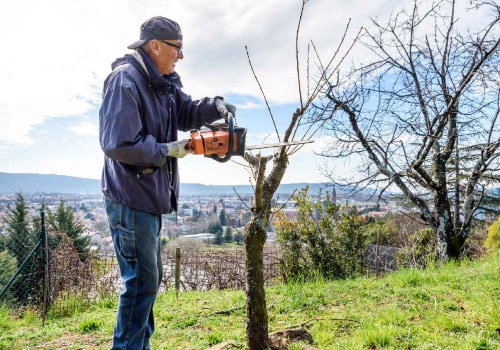
- Proper Pruning: Prune trees during their dormant season to remove dead or diseased branches.
This not only improves air circulation but also helps prevent the spread of pathogens.
- Watering Practices: Ensure your trees receive adequate water, especially during dry spells. However, avoid overwatering, as this can lead to root rot and other moisture-related diseases.
- Mulching: Apply a layer of organic mulch around the base of your trees. This helps retain soil moisture, suppress weeds, and regulate soil temperature, creating a healthier environment for root growth.
- Soil Health: Test your soil regularly to ensure it has the right pH and nutrient levels. Amend the soil as needed to promote healthy tree growth and resilience against diseases.
- Pest Management: Monitor for pests and use integrated pest management (IPM) techniques to control infestations without harming beneficial insects.
Remember that a well-cared-for tree not only enhances the beauty of your landscape but also contributes positively to the environment.
FAQs About Tree Inspections and Diseases
When it comes to tree inspections, many homeowners and property managers have questions about the health of their trees and the potential diseases that may be present. Here are some frequently asked questions regarding tree inspections and common tree diseases:What are the signs of tree disease?
Identifying tree diseases early can be crucial for treatment. Common signs include:- Discoloration of leaves, which may turn yellow, brown, or black.
- Wilting or drooping leaves, indicating stress.
- Unusual growths, such as galls or cankers on branches and trunks.
- Fungal growth, including mushrooms at the base of the tree.
- Excessive leaf drop or premature leaf fall.
What are some common diseases found during a tree inspection?
During a thorough tree inspection, several diseases may be identified:- Powdery Mildew: A fungal disease that appears as a white powdery substance on leaves, often affecting trees like lilacs and oaks.
- Root Rot: Caused by various fungi, this disease affects the roots and can lead to tree decline or death if not addressed.
- Anthracnose: A fungal infection that causes dark spots on leaves and can lead to defoliation in species such as sycamores and maples.
- Canker Diseases: These affect the bark and can lead to dieback; they are often caused by environmental stress or pathogens.
- Bacterial Blight: This disease can cause leaf spots and dieback, particularly in species like cherry and plum trees.
How often should I have my trees inspected?
A regular inspection is recommended at least once a year, especially for older trees or those in urban environments. However, if you notice any signs of distress or disease, it’s best to consult a professional immediately.By understanding these common questions and being proactive about tree inspections, you can help ensure the health and longevity of your trees.Conclusion: Ensuring Tree Health Through Regular Inspections
In conclusion, regular tree inspections are essential for maintaining the health and vitality of trees in any landscape.By identifying potential issues early, such as diseases, pests, or structural weaknesses, property owners can take proactive measures to ensure their trees thrive. Throughout this article, we have explored various common diseases that may be discovered during a tree inspection, including:
- Root Rot: Often caused by overwatering or poor drainage, root rot can lead to tree decline and death if not addressed promptly.
- Powdery Mildew: This fungal disease manifests as a white powdery substance on leaves and can weaken trees if left untreated.
- Leaf Spot: Various pathogens can cause leaf spots, leading to premature leaf drop and reduced photosynthesis.
- Canker Diseases: These diseases create sunken areas on the bark, which can girdle branches and trunks, ultimately killing parts of the tree.