Tree inspections are a crucial aspect of maintaining not only the health of trees but also the safety of the surrounding environment. Regular assessments help identify potential issues such as disease, pest infestations, or structural weaknesses that could lead to hazardous situations. By understanding the importance of tree inspections, property owners can take proactive measures to ensure their trees remain healthy and safe for both people and property. During a tree inspection, trained professionals evaluate various factors that contribute to a tree's overall health. This includes examining the root system, trunk integrity, and canopy condition.
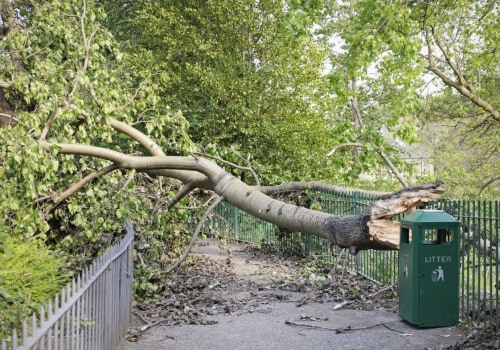
A thorough tree health assessment can reveal early signs of decline or stress, allowing for timely intervention. Ignoring these signs can lead to more severe problems down the line, including tree failure, which poses significant risks to nearby structures and individuals. Moreover, regular inspections play a vital role in urban forestry management. In densely populated areas, trees are often subjected to environmental stressors such as pollution and limited space for root growth. By prioritizing tree safety through routine inspections, communities can enhance their green spaces while minimizing risks associated with falling branches or uprooted trees during storms.
Ultimately, understanding the significance of tree inspections is essential for fostering a safe and healthy environment for everyone.
Preparing for a Tree Inspection
Before embarking on a tree inspection, it is crucial to prepare adequately to ensure both your safety and the effectiveness of the inspection. Proper preparation involves gathering the right tools and wearing appropriate safety gear.Essential Tools for Tree Inspection
- Pruning Shears: Useful for removing small branches that may obstruct your view of the tree's structure.
- Measuring Tape: Helps in assessing the tree's height and diameter, which are important for evaluating its health.
- Hand Lens: A magnifying tool that allows you to closely examine leaves, bark, and other features for signs of disease or pests.
- Climbing Gear: If the inspection requires climbing, ensure you have a harness, ropes, and other climbing equipment that meet safety standards.
- Notebook and Pen: Documenting your findings is essential for tracking the health of the tree over time.
Safety Gear for Tree Inspection
Wearing the right safety gear is non-negotiable during a tree inspection. Here are some recommended items:- Hard Hat: Protects your head from falling branches or debris.
- Safety Glasses: Shields your eyes from dust, debris, and potential splinters.
- Gloves: Provides grip and protects your hands from cuts and scrapes while handling tools or inspecting rough bark.
- Steel-Toed Boots: Offers foot protection against heavy objects that may fall during the inspection process.
- High-Visibility Vest: Ensures you are seen by others, especially if working near roadways or in areas with vehicle traffic.
Personal Safety Measures During Tree Inspections
When conducting a tree inspection, personal safety should be the top priority for inspectors.The nature of tree work often involves climbing, using tools, and working in unpredictable environments, making it essential to take appropriate safety measures.
1.Use of Protective Equipment
- Helmets: Always wear a hard hat to protect against falling branches or tools.
- Eye Protection: Safety goggles or face shields can prevent injuries from flying debris.
- Gloves: Durable gloves provide grip and protect hands from cuts and abrasions.
- Footwear: Steel-toed boots with good traction are crucial for stability and protection.
2.Climbing Safety
If the inspection requires climbing, follow these guidelines:
- Harnesses: Always use a climbing harness that is properly fitted and secured to a reliable anchor point.
- Ropes: Use high-quality climbing ropes that are rated for the weight and type of work being performed.
- Climbing Gear: Ensure all gear, including carabiners and pulleys, is in good condition and suitable for tree work.
3.Assessing the Environment
Before starting the inspection, evaluate the surrounding area:
- Ground Conditions: Check for uneven terrain, wet surfaces, or obstacles that could pose a tripping hazard.
- Weather Conditions: Avoid inspections during inclement weather such as high winds or storms that could increase risks.
- Tree Health: Be aware of any signs of decay or instability in the tree that may affect your safety while inspecting.
Environmental Considerations for Safe Tree Inspections
When conducting a tree inspection, it is crucial to consider various environmental factors that can significantly impact both the safety of the inspector and the accuracy of the assessment. Understanding these factors can help mitigate risks and ensure a thorough evaluation of the tree's health.Weather Conditions
Weather plays a vital role in the safety of a tree inspection. Inspectors should always check the forecast before heading out.Here are some key weather-related considerations:
- Wind: High winds can cause branches to sway or break, posing a risk to inspectors. It is advisable to postpone inspections during windy conditions.
- Rain: Wet conditions can make surfaces slippery, increasing the risk of falls. Inspectors should avoid conducting inspections during or immediately after heavy rain.
- Temperature: Extreme temperatures, whether hot or cold, can affect both the inspector's performance and the tree's condition. Dress appropriately and take breaks as needed.
Site Assessment
A thorough site assessment is essential for identifying potential hazards before beginning a tree inspection.Inspectors should look for:
- Ground Stability: Uneven or unstable ground can lead to slips and falls. Ensure that the area around the tree is safe to navigate.
- Nearby Structures: Be aware of any buildings, power lines, or other structures that could be affected by falling branches or debris during the inspection.
- Wildlife: Inspectors should be cautious of wildlife that may inhabit trees, such as bees or snakes, which could pose additional risks.
Identifying Hazards During Tree Inspections
When conducting a tree inspection, identifying potential hazards is crucial for ensuring safety. Various factors can pose risks, and being aware of them can prevent accidents and injuries.Here are some common hazards to look out for:
- Dead or Dying Branches: Inspect for branches that are brittle, discolored, or have no leaves. These can easily break off and fall, posing a danger to anyone below.
- Nearby Power Lines: Trees growing too close to power lines can create serious hazards. Always maintain a safe distance from these lines during your inspection, as they can conduct electricity and cause severe injuries.
- Unstable Ground: Assess the ground conditions around the tree. Soft or uneven ground can increase the risk of slips and falls, especially if you are using ladders or climbing equipment.
- Insect Infestations: Look for signs of pests such as holes in the bark or sawdust at the base of the tree.
Infestations can weaken the tree structure, making it more susceptible to falling.
- Fungal Growth: Fungi growing on or around the tree can indicate decay. Check for mushrooms at the base or on the trunk, as they often signal internal rot.
- The size and weight of branches that could fall.
- The proximity of people, structures, and vehicles to the tree.
- The overall health of the tree and its stability.
Best Practices for Conducting Safe Tree Inspections
Conducting a tree inspection requires careful planning and adherence to safety protocols to ensure the well-being of both the inspector and the surrounding environment.Here are some best practices to follow:
- Wear Appropriate Safety Gear: Always don a hard hat, safety glasses, gloves, and sturdy footwear. If climbing, consider using a harness and helmet designed for tree work.
- Assess the Environment: Before beginning an inspection, evaluate the area for potential hazards such as power lines, unstable ground, or nearby traffic. Ensure that the inspection site is clear of obstacles.
- Use Proper Climbing Techniques: If climbing is necessary, utilize a reliable climbing system. Always have a partner present when climbing trees to provide assistance in case of an emergency.
- Inspect from the Ground First: Begin your tree inspection from the ground.
Look for visible signs of disease, damage, or structural issues before deciding to climb. This can help you identify potential risks.
- Utilize Tools Safely: When using tools such as saws or pruners, ensure they are in good condition and appropriate for the task. Always follow manufacturer guidelines and maintain a safe distance from others while using these tools.
Their expertise can significantly reduce risks associated with tree inspections, ensuring that both the inspector and the tree remain safe throughout the process.
Emergency Procedures During Tree Inspections
When conducting a tree inspection, it is crucial to be prepared for emergencies that may arise. Understanding the appropriate emergency procedures can make a significant difference in ensuring safety for both the inspector and those nearby.First Aid Tips
In the event of an injury during a tree inspection, having basic first aid knowledge is essential. Here are some key first aid tips:- Assess the Situation: Quickly evaluate the severity of the injury. If it is life-threatening, call for emergency help immediately.
- Control Bleeding: For cuts or lacerations, apply direct pressure with a clean cloth or bandage.
Elevate the injured area if possible.
- CPR: If someone is unresponsive and not breathing, initiate CPR and call for emergency services right away.
- Stay Calm: Keeping a level head can help you provide better assistance and communicate effectively with emergency responders.
Emergency Contacts
Before starting any tree inspection, ensure you have a list of emergency contacts readily available. This should include:- Local Emergency Services: Know the phone number for local fire, police, and medical services.
- Tree Care Professionals: Have contact information for certified arborists or tree care companies that can assist in case of severe tree-related incidents.
- Personal Emergency Contacts: Keep a list of family members or friends who can be reached in case of an emergency.
Frequently Asked Questions About Tree Inspection Safety
When it comes to tree inspection, safety should always be a top priority.Here are some frequently asked questions that can help clarify essential safety precautions:
- What personal protective equipment (PPE) should I wear during a tree inspection?
It is crucial to wear appropriate PPE such as a hard hat, safety glasses, gloves, and steel-toed boots. Additionally, consider using hearing protection if you are working near loud machinery. - How can I ensure my ladder is safe to use?
Always inspect your ladder before use. Ensure it is on stable ground and that it is the right height for the job. Use a ladder with a weight rating that exceeds your weight plus any tools you may carry. - What should I do if I encounter power lines?
Maintain a safe distance from power lines, typically at least 10 feet.If you need to work near them, contact your local utility company for assistance and guidance.
- Are there specific weather conditions that are unsafe for tree inspections?
Yes, avoid conducting inspections during high winds, heavy rain, or storms. These conditions can increase the risk of falling branches or unstable trees. - How can I assess the stability of a tree before climbing?
Look for signs of decay, cracks, or leaning. Check the root system for damage or instability. If in doubt, consult with a certified arborist.
Always prioritize safety and don’t hesitate to seek professional help when needed.
Conclusion: Prioritizing Safety in Tree Inspections
In conclusion, ensuring safety during a tree inspection is paramount for both the inspector and the surrounding environment. By adhering to the safety precautions outlined throughout this article, individuals can significantly reduce the risk of accidents and injuries. First and foremost, conducting a thorough risk assessment before beginning any inspection is essential. This includes evaluating the condition of the tree, identifying potential hazards such as dead branches or unstable ground, and ensuring that all necessary safety gear is in place. Personal protective equipment (PPE) such as helmets, gloves, and eye protection should never be overlooked. Additionally, it is crucial to utilize proper tools and equipment designed for tree inspections.This not only enhances safety but also improves the accuracy of the inspection. Regular maintenance of tools ensures they function correctly and reduces the likelihood of accidents caused by equipment failure. Furthermore, working in pairs or teams can provide an extra layer of safety. Having a partner allows for immediate assistance in case of an emergency and promotes a culture of safety awareness. Communication is key; always inform your team about your plans and any potential risks you identify during the inspection. Lastly, continuous education on safety practices related to tree inspections is vital.
Staying updated on best practices and new technologies can help inspectors remain vigilant and prepared for any situation that may arise. By prioritizing safety in every aspect of tree inspections, we not only protect ourselves but also contribute to the health and longevity of our trees and the ecosystems they support.