Tree inspections are a crucial aspect of maintaining the health and safety of our green companions. Regular tree inspections not only help in identifying potential hazards but also play a significant role in preserving the aesthetic and ecological value of our landscapes. Trees, while resilient, can suffer from various forms of damage due to environmental stressors, pests, and diseases. Understanding the importance of these inspections is essential for homeowners, property managers, and arborists alike. During a tree inspection, trained professionals look for specific signs that indicate a tree may be compromised.
These signs can range from visible physical damage to subtle changes in the tree's overall health. Recognizing these indicators early can prevent further deterioration and ensure that appropriate measures are taken to protect both the tree and its surrounding environment. For instance, a tree with peeling bark or unusual growth patterns may signal underlying issues that require immediate attention. Moreover, the significance of tree inspections extends beyond mere aesthetics; it encompasses safety concerns as well. A damaged tree poses risks not only to itself but also to nearby structures and individuals.
By prioritizing regular inspections, we can mitigate these risks and foster a healthier ecosystem. In the following sections, we will delve deeper into the specific signs of tree damage that every property owner should be aware of during their next inspection.
Common Signs of Tree Damage
When conducting a tree inspection, it is essential to be aware of the common signs of tree damage. Recognizing these indicators early can help prevent further deterioration and ensure the health of your trees.- Discoloration of Leaves: One of the first signs of a damaged tree is the discoloration of its leaves. Healthy leaves are typically vibrant green, while damaged trees may exhibit yellowing or browning leaves, indicating stress or disease.
- Dead Branches: Look for branches that are brittle, dry, or devoid of leaves.
These dead branches can be a sign of underlying issues such as disease or pest infestations.
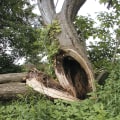
- Cracks and Splits: Inspect the trunk and major branches for any visible cracks or splits. These physical damages can compromise the structural integrity of the tree and may lead to further issues.
- Fungal Growth: The presence of mushrooms or other fungi at the base of the tree or on its trunk can indicate decay. Fungi thrive on decaying wood, suggesting that the tree may be suffering from internal rot.
- Pest Infestation: Look for signs of pests, such as holes in the bark or sawdust at the base of the tree. Insects like bark beetles can cause significant damage if not addressed promptly.
- Lean or Tilt: A tree that leans significantly to one side may be unstable and at risk of falling.
This could be due to root damage or soil erosion, both of which require immediate attention.
Visual Indicators of Tree Damage
When conducting a tree inspection, recognizing the visual signs of tree damage is crucial for maintaining the health of your trees. Several indicators can signal underlying issues that may require immediate attention.Bark Issues
The bark of a tree serves as its protective layer, and any abnormalities can indicate damage. Look for:- Peeling Bark: This can expose the inner wood to pests and diseases.
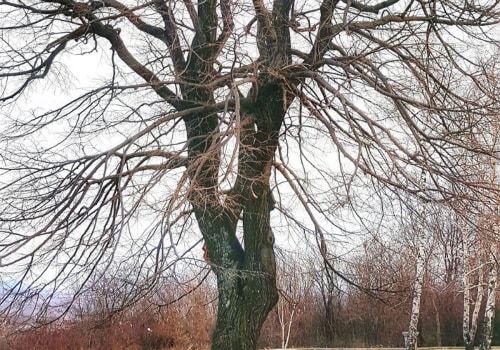
- Cracks or Splits: Deep fissures may suggest structural weakness or stress.
- Discoloration: Dark spots or unusual colors can indicate decay or infection.
Leaf Discoloration
Leaves are often the first visible signs of a tree's health.During your inspection, pay attention to:
- Yellowing Leaves: This may indicate nutrient deficiencies or root problems.
- Browning Edges: Often a sign of drought stress or disease.
- Early Leaf Drop: If leaves are falling prematurely, it could be a response to environmental stressors.
Branch Dieback
Another critical sign to observe is the condition of the branches. Signs of branch dieback include:- Dead Branches: These may appear brittle and lack foliage.
- Sparse Foliage: A healthy tree should have a full canopy; sparse leaves can indicate health issues.
Physical Symptoms to Look For
When conducting a tree inspection, identifying physical symptoms of damage is crucial for determining the health and stability of a tree. Here are some key indicators to look for:- Root Exposure: If the roots of a tree are visible above the soil, it may indicate soil erosion or compaction. This exposure can lead to instability and make the tree more susceptible to falling.
- Structural Instability: Look for signs of leaning or uneven growth.
A tree that is significantly tilted may have compromised roots or structural issues that need immediate attention.
- Fungal Growth: The presence of mushrooms or other fungi at the base of the tree can signal decay. Fungi thrive on decaying wood, indicating that the tree may be suffering from internal rot.
- Bark Damage: Cracks, splits, or peeling bark can expose the inner layers of the tree to pests and diseases. This damage can weaken the tree's overall structure.
- Dead Branches: If you notice a significant number of dead branches, it could be a sign of stress or disease. Regularly inspect for any branches that are brittle or lack foliage.
Early detection can lead to timely interventions, potentially saving the tree from further damage or removal.
Environmental Factors Affecting Tree Health
When conducting a tree inspection, it is crucial to consider the various environmental factors that can significantly impact tree health. These factors include soil conditions and weather patterns, both of which can lead to visible signs of damage or stress in trees.Soil Conditions
The quality of the soil in which a tree is planted plays a vital role in its overall health. Poor soil conditions can lead to:- Nutrient Deficiency: Trees require essential nutrients such as nitrogen, phosphorus, and potassium. A lack of these nutrients can result in stunted growth and yellowing leaves.
- Poor Drainage: Soil that retains too much water can cause root rot, leading to wilting and eventual tree death.
Inspecting for signs of waterlogged soil is essential during a tree inspection.
- Compaction: Compacted soil restricts root growth and reduces oxygen availability. Look for signs of surface roots or trees that are leaning, which may indicate compaction issues.
Weather Impact on Trees
Weather conditions also play a significant role in tree health. Extreme weather events can cause immediate damage, while prolonged adverse conditions can lead to gradual decline. Key weather-related factors to consider include:- Drought: Insufficient rainfall can stress trees, leading to leaf drop and increased susceptibility to pests and diseases.
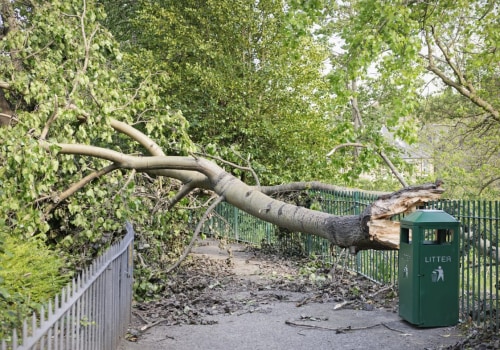
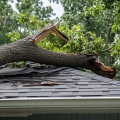
- High Winds: Strong winds can break branches or uproot trees entirely.
Inspect for broken limbs or trees that have been dislodged from their root systems.
- Frost Damage: Late spring frosts can harm new growth, resulting in blackened leaves or stunted development.
Tools and Techniques for Effective Tree Inspection
Conducting a thorough tree inspection requires the right tools and techniques to accurately assess the health and stability of a tree. Here are some essential tools and methods used by professionals in the field.Essential Tools for Tree Inspection
- Pruning Shears: Useful for removing small branches to inspect the inner structure of the tree.
- Hand Saw: For larger branches that may obstruct a clear view of the trunk and canopy.
- Measuring Tape: Helps in measuring the tree's height and trunk diameter, which are important for assessing growth patterns.
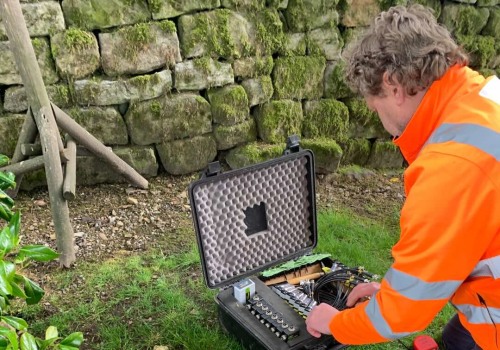
- Diagnostic Tools: Devices like resistographs or sonic tomographs can detect internal decay without invasive procedures.
- Binoculars: Ideal for inspecting the upper canopy from a distance, allowing for a better view of leaf health and branch structure.
Inspection Techniques
When performing a tree inspection, it’s crucial to follow systematic techniques to ensure no signs of damage are overlooked. Here are some effective methods:- Visual Assessment: Start with a thorough visual check of the tree’s overall shape, leaf color, and bark condition.
Look for signs of disease, pests, or physical damage.
- Physical Examination: Gently shake branches to check for stability. Inspect the root zone for any signs of heaving or soil erosion.
- Soil Testing: Analyze soil quality around the tree to determine if nutrient deficiencies or compaction could be affecting its health.
- Professional Assessment: For trees showing significant signs of distress, consider hiring an arborist who can provide a comprehensive evaluation using advanced techniques.
Frequently Asked Questions About Tree Inspections
When it comes to tree inspections, many homeowners have questions about the health and maintenance of their trees. Here are some frequently asked questions that can help clarify the importance of regular inspections.What are the common signs of tree health issues?
- Discoloration of leaves: Yellowing or browning leaves can indicate stress or disease.
- Dead branches: If you notice branches that are brittle or devoid of leaves, this could be a sign of a larger problem.
- Fungal growth: The presence of mushrooms or other fungi at the base of the tree may suggest root rot or decay.
- Cracks in the trunk: Vertical cracks can indicate structural weakness, which may lead to tree failure.
How often should I inspect my trees?
It is recommended to conduct a tree inspection at least once a year.However, more frequent inspections may be necessary if:
- Your area experiences severe weather conditions, such as storms or heavy winds.
- You notice any visible changes in your trees' health.
- Your trees are older or have a history of health issues.
What should I do if I find signs of damage?
If you discover any signs of damage during your inspection, it’s crucial to take action promptly. Here are some steps you can follow:- Consult an arborist: A certified arborist can provide a professional assessment and recommend treatment options.
- Avoid DIY solutions: While it may be tempting to try and fix the problem yourself, improper care can worsen the situation.
- Monitor regularly: Keep an eye on the affected tree and schedule follow-up inspections as needed.
Conclusion: Ensuring Tree Health Through Regular Inspections
In conclusion, regular tree inspections are essential for maintaining the health and longevity of your trees. By being proactive and identifying potential issues early, you can prevent more severe damage and costly removals. Throughout this article, we have discussed various signs of a damaged tree, including:- Cracks and splits in the trunk or branches, which can indicate structural weakness.
- Discoloration of leaves or bark, often a sign of disease or pest infestation.
- Dead branches that may fall unexpectedly, posing a risk to people and property.
- Fungal growth, such as mushrooms at the base of the tree, which can suggest decay.
- Excessive leaning, indicating root damage or instability.
Whether it involves pruning, treatment for pests, or even removal in extreme cases, taking action can significantly enhance the overall health of your landscape.Moreover, enlisting the help of a certified arborist can provide expert insights into your trees' conditions. They can conduct thorough assessments and recommend appropriate care strategies tailored to your specific environment. Remember, healthy trees not only enhance the beauty of your property but also contribute to the ecosystem by providing shade, improving air quality, and supporting wildlife.Ultimately, prioritizing regular tree inspections is an investment in your landscape's future. By staying vigilant and informed about the signs of tree damage, you can ensure that your trees remain vibrant and resilient for years to come.