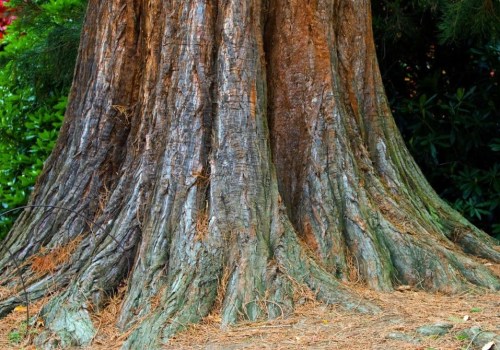
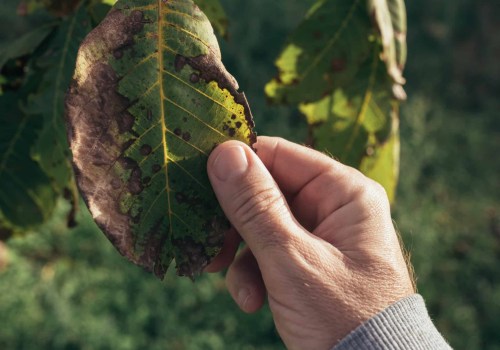
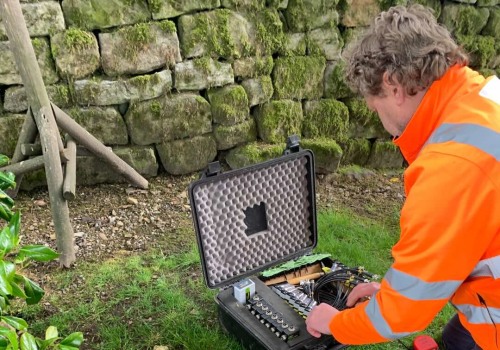
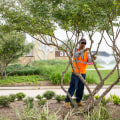
Routine tree inspection is an often-overlooked yet highly effective strategy for preventing costly plumbing repairs. Trees naturally seek out moisture, and underground plumbing systems—especially sewer and water lines—can become prime targets for root intrusion. Over time, even small cracks in pipes can attract roots, which then expand and cause blockages, leaks, or complete pipe failure. By recognizing the connection between tree growth and plumbing infrastructure, homeowners can take proactive steps to protect both their landscape and their home’s essential systems. Regular inspections help identify potential risks early, reducing the likelihood of major damage.
Identifying Early Warning Signs of Root Intrusion
One of the key benefits of routine tree inspection is the ability to detect early signs of root-related issues. Arborists and homeowners alike should look for indicators such as unusually lush patches of grass, slow drainage, or recurring clogs in plumbing fixtures. These symptoms may point to roots infiltrating underground pipes. In some cases, homeowners dealing with plumbing concerns—like washing machine drain repair in Houston may not immediately realize that nearby tree roots are contributing to the problem. By connecting these signs to tree health and placement, it becomes easier to address the root cause rather than just the symptoms. Early detection allows for targeted interventions that prevent further damage.
Strategic Tree Maintenance and Root Control
Maintaining trees properly is essential for minimizing their impact on plumbing systems. Regular pruning helps control growth above ground, while root management techniques prevent underground expansion into sensitive areas. Installing root barriers is one effective method for redirecting growth away from pipes, creating a physical boundary that protects plumbing infrastructure. Additionally, selecting appropriate tree species with less aggressive root systems can significantly reduce the risk of future problems. These strategies, when implemented consistently, help maintain a balance between healthy trees and a functional plumbing system.
Supporting Soil Health and Proper Water Distribution
Healthy soil and proper water management also play a crucial role in preventing root intrusion. When soil is well-maintained and adequately hydrated, tree roots are less likely to seek out alternative water sources such as pipes. Efficient irrigation systems and proper drainage ensure that moisture is distributed evenly, reducing stress on both trees and plumbing systems. Poor drainage, on the other hand, can lead to water pooling and increased pressure on pipes, making them more vulnerable to damage. By maintaining optimal soil conditions, homeowners can create an environment where trees and plumbing systems coexist without conflict.
Long-Term Benefits of Proactive Tree Inspection
Incorporating routine tree inspection into overall home maintenance offers significant long-term benefits. By identifying potential risks early, homeowners can avoid expensive plumbing repairs and extend the lifespan of their infrastructure. This proactive approach not only protects the home but also enhances the health and appearance of the landscape. Over time, the combination of regular inspections, strategic maintenance, and proper water management leads to a more resilient and efficient property. Ultimately, understanding the relationship between trees and plumbing systems allows homeowners to make informed decisions that support both environmental sustainability and long-term cost savings.