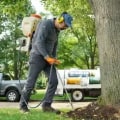
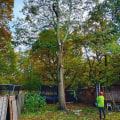
Tree inspections are a crucial aspect of maintaining the health and safety of trees in both urban and rural environments. But what exactly is a tree inspection? At its core, a tree inspection involves a thorough evaluation of a tree's condition, focusing on its structural integrity, health, and potential hazards. This process is typically conducted by certified arborists who possess the expertise to identify issues that may not be immediately visible to the untrained eye. The importance of tree inspections cannot be overstated. Regular assessments help in detecting early signs of disease, pest infestations, or structural weaknesses that could lead to tree failure.
By identifying these problems early on, property owners can take proactive measures to mitigate risks, ensuring the safety of people and property nearby. Furthermore, healthy trees contribute significantly to the environment by improving air quality, providing shade, and enhancing property value. In essence, understanding the concept of tree inspections is vital for anyone who values the beauty and benefits that trees bring to our lives. Whether you are a homeowner, a business owner, or simply an enthusiast of nature, recognizing the significance of these inspections can lead to informed decisions that promote tree longevity and safety.
Benefits of Regular Tree Inspections
Regular tree inspections offer a multitude of benefits that contribute to the overall health and safety of your landscape. One of the primary advantages is the ability to monitor the health of your trees.During an inspection, a certified arborist can identify early signs of disease, pest infestations, or structural weaknesses. This proactive approach allows for timely interventions, which can prevent minor issues from escalating into major problems.Another significant benefit of regular tree inspections is safety assurance. Trees that are not properly maintained can pose serious risks to people and property. Dead branches, unstable trunks, or root issues can lead to hazardous situations, especially during storms or high winds.
By conducting routine inspections, you can mitigate these risks and ensure that your trees remain safe for your family and visitors.Additionally, regular tree inspections can enhance your property value. Well-maintained trees not only improve the aesthetic appeal of your landscape but also contribute to the overall health of the environment. Properties with healthy trees are often more attractive to potential buyers, making tree inspections a wise investment for homeowners looking to sell in the future.In summary, the benefits of regular tree inspections extend beyond mere aesthetics. They play a crucial role in health monitoring, safety assurance, and property value enhancement.
By prioritizing these inspections, you are investing in the longevity and vitality of your trees while ensuring a safe and beautiful environment for all.
Identifying Potential Hazards
Regular tree inspections play a crucial role in identifying potential hazards that can threaten both people and property. Trees, while beautiful and beneficial to the environment, can also pose significant risks if not properly maintained. One of the primary benefits of these inspections is the early detection of diseases and pests that can compromise a tree's health.Common Tree Hazards:
- Diseases: Fungal infections, bacterial diseases, and other ailments can weaken trees, making them more susceptible to falling or breaking.
- Pests: Insects such as bark beetles or aphids can infest trees, leading to structural damage and decay.
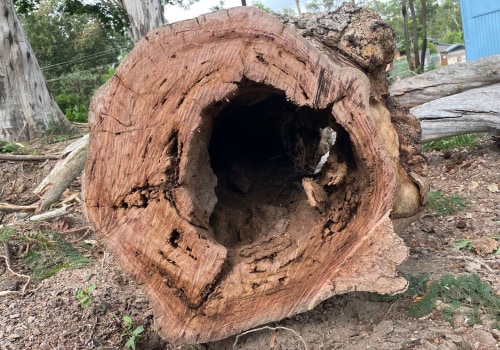
- Structural Weaknesses: Cracks, splits, or dead branches can indicate a tree's instability, posing a risk of falling during storms or high winds.
An experienced arborist can assess the tree's condition and recommend appropriate actions, such as treatment or removal.
Dangers of Uninspected Trees:
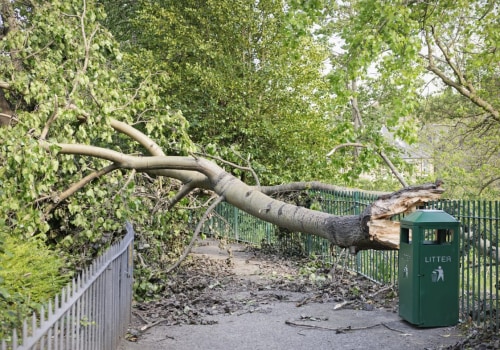
- Injury Risks: Falling branches or entire trees can cause serious injuries to people nearby.
- Property Damage: A weakened tree may fall on homes, vehicles, or power lines, leading to costly repairs.
- Liability Issues: Property owners may face legal consequences if an uninspected tree causes harm to others.
Enhancing Tree Longevity and Health
Regular tree inspections play a crucial role in enhancing the overall health and longevity of trees. By identifying potential issues early, property owners can take proactive measures to ensure their trees thrive for years to come.One of the primary benefits of routine inspections is the ability to detect signs of disease or pest infestations before they escalate. For instance, an arborist can spot early symptoms of fungal infections or insect damage that may not be visible to the untrained eye.Addressing these problems promptly can prevent them from spreading and causing more extensive damage.Additionally, regular inspections allow for the assessment of a tree's structural integrity. Trees that are weak or have compromised branches pose a risk not only to their health but also to surrounding structures and individuals. An expert can recommend necessary pruning or support systems to enhance stability, thereby extending the tree's lifespan.Moreover, maintaining healthy trees through inspections contributes to a more vibrant ecosystem. Healthy trees provide essential benefits such as improved air quality, increased biodiversity, and enhanced aesthetic appeal in landscapes.
They also play a significant role in carbon sequestration, helping combat climate change.In summary, regular tree inspections are vital for:
- Early detection of diseases and pests
- Assessment of structural integrity
- Proactive maintenance strategies
- Enhancing ecosystem benefits
Cost-Effectiveness of Regular Inspections
Regular tree inspections offer significant cost benefits that can lead to substantial savings over time. By identifying potential issues early, property owners can avoid the high costs associated with emergency tree removals, property damage, and liability claims.One of the primary financial advantages of regular inspections is the prevention of costly damages. Trees that are not regularly monitored may develop diseases or structural weaknesses that can lead to falling branches or even entire trees collapsing. Such incidents can result in expensive repairs to homes, vehicles, or landscaping.By investing in routine inspections, homeowners can address problems before they escalate, ultimately saving money.
- Early Detection: Regular inspections allow for the early detection of pests and diseases, which can be treated at a lower cost compared to dealing with a full-blown infestation.
- Maintenance Planning: Inspections help in creating a proactive maintenance plan, which can spread out costs over time rather than incurring large expenses all at once.
- Increased Property Value: Healthy trees enhance curb appeal and property value. Regular inspections ensure trees remain in good condition, contributing positively to overall property worth.
Investing in regular inspections is a wise decision that pays off in both immediate and long-term savings.
Best Practices for Tree Inspections
Conducting regular tree inspections is essential for maintaining the health and safety of your trees. Here are some best practices to ensure effective inspections:- Frequency of Inspections: Inspect your trees at least twice a year, ideally in spring and fall. This allows you to catch any issues early, such as pest infestations or disease symptoms.
- Visual Assessment: Start with a visual inspection from a distance. Look for any obvious signs of distress, such as dead branches, peeling bark, or unusual growth patterns.
- Check the Base: Examine the base of the tree for signs of decay or damage.
Look for cracks in the trunk or soil erosion around the roots, which can indicate structural problems.
- Leaf Health: Assess the leaves for discoloration, wilting, or spots. Healthy leaves are typically vibrant and green; any deviations may signal underlying issues.
- Branch Inspection: Use binoculars if necessary to inspect higher branches. Look for broken limbs or signs of disease that may not be visible from the ground.
- If the tree is large and poses a risk to property or people.
- If you suspect serious disease or pest issues that require specialized knowledge.
- If you are unsure about how to safely assess or treat the tree.
Always prioritize safety by wearing protective gear and ensuring stable footing when inspecting taller trees.
FAQs About Tree Inspections
When it comes to tree inspections, homeowners often have several questions. Here are some of the most frequently asked questions regarding this essential practice:- What is a tree inspection? A tree inspection is a thorough assessment of a tree's health, structure, and safety. It involves examining the trunk, branches, leaves, and root system to identify any signs of disease, pest infestations, or structural weaknesses.
- How often should I have my trees inspected? It is generally recommended to have your trees inspected at least once a year. However, if you notice any changes in your trees' appearance or if they are exposed to severe weather conditions, more frequent inspections may be necessary.
- What are the signs that my tree needs an inspection? Look for signs such as dead branches, peeling bark, fungal growth, or leaning trunks.
If you notice any of these symptoms, it’s time to schedule a tree inspection.
- Can I perform a tree inspection myself? While homeowners can conduct basic visual checks, it’s best to hire a certified arborist for a comprehensive evaluation. Professionals have the expertise and tools to identify issues that may not be visible to the untrained eye.
- What happens during a tree inspection? During an inspection, an arborist will assess the overall health of the tree, check for pests or diseases, evaluate structural integrity, and provide recommendations for care or treatment if necessary.
Conclusion: The Essential Role of Tree Inspections in Landscape Management
In conclusion, regular tree inspections play a vital role in maintaining the health and safety of your landscape. By identifying potential hazards early, property owners can prevent accidents and ensure a safe environment for their families and visitors.The importance of these inspections cannot be overstated, as they serve multiple purposes that contribute to the overall well-being of both trees and the surrounding community.
Health Benefits:
Regular inspections allow for the early detection of diseases and pests that can compromise tree health. By addressing these issues promptly, you can prolong the life of your trees and maintain their aesthetic value. Healthy trees not only enhance the beauty of your property but also contribute to improved air quality and biodiversity.Safety Considerations:
Trees that are not regularly inspected may pose significant risks, especially during storms or high winds. Weak branches or unstable root systems can lead to property damage or personal injury.Routine inspections help mitigate these risks by ensuring that any dangerous conditions are identified and rectified before they escalate.