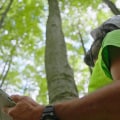
Tree inspections are a crucial aspect of maintaining the health and safety of our urban and rural landscapes. These assessments involve a thorough examination of trees to identify any signs of disease, pest infestations, or structural weaknesses that could pose risks to people and property. Understanding the importance of tree inspection goes beyond mere aesthetics; it plays a vital role in ensuring the longevity and vitality of these natural assets. Regular tree inspections help in early detection of potential issues, allowing for timely interventions that can save trees from irreversible damage. A well-conducted tree health assessment not only enhances the beauty of our surroundings but also contributes to environmental sustainability by preserving biodiversity and improving air quality.
Moreover, healthy trees can increase property values and provide shade, making them invaluable to homeowners and communities alike. As we delve deeper into the tools used during a tree inspection, it becomes evident that these instruments are designed to provide arborists with the necessary insights to make informed decisions. From simple visual assessments to advanced diagnostic equipment, each tool serves a specific purpose in evaluating tree health. Understanding these tools will equip you with knowledge about how professionals ensure that our trees remain safe and thriving.
Essential Tools for Tree Inspection
When conducting a tree inspection, having the right tools is essential for accurately assessing the health and stability of trees. Below is a list of common tools used during these inspections, along with their functions and importance.- Hand Pruners: These are essential for removing small branches and twigs to get a better view of the tree's structure and health.
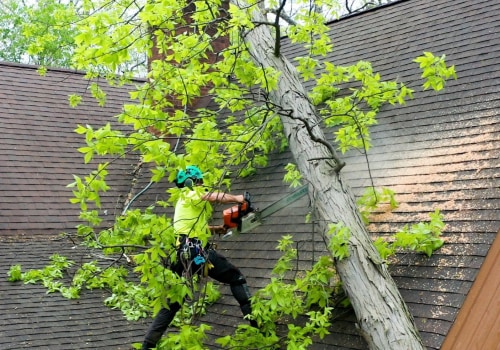
- Climbing Gear: For larger trees, arborists often use climbing gear, including harnesses and ropes, to safely access higher branches for a thorough inspection.
- Measuring Tape: A flexible measuring tape is crucial for measuring the tree's diameter at breast height (DBH), which helps in assessing its age and growth rate.
- Soil Probe: This tool allows inspectors to assess soil conditions around the tree, which can significantly affect its health.
Soil compaction and moisture levels are critical factors to evaluate.
- Diagnostic Tools: Tools such as resistographs or sonic tomographs help in detecting internal decay or structural weaknesses without invasive procedures.
- Binoculars: For inspecting the upper canopy from a distance, binoculars can provide a clear view of leaf health and branch structure without the need for climbing.
Visual Inspection Tools
During a tree inspection, visual inspection tools play a crucial role in helping arborists assess the health and condition of trees. These tools allow for both distant and close-up evaluations, ensuring that potential issues are identified early.Tree Inspection Binoculars
Binoculars are essential for arborists conducting visual inspections from a distance. They enable professionals to observe the overall structure of the tree, including its canopy and branches, without needing to climb or get too close.This is particularly useful for spotting signs of disease, pest infestations, or structural weaknesses that may not be visible from the ground.
- Magnification: Binoculars typically offer various levels of magnification, allowing arborists to see details that are otherwise hard to discern.
- Field of View: A wide field of view helps in assessing the tree's overall health and identifying any irregularities in its growth pattern.
- Portability: Lightweight and compact designs make it easy for arborists to carry binoculars during their inspections.
Magnifying Glass for Trees
A magnifying glass is another invaluable tool during a tree inspection. This tool allows arborists to examine smaller details closely, such as leaf structures, bark textures, and signs of pests or diseases that may not be visible to the naked eye.- Detail Examination: Magnifying glasses help in identifying specific symptoms of tree diseases, such as fungal growth or insect damage.
- Ease of Use: They are simple to use and can be easily integrated into any inspection routine.
- Cost-Effective: Magnifying glasses are generally affordable, making them accessible for both professional arborists and hobbyists.
Measuring Tools for Tree Health Assessment
During a tree inspection, accurate measurements are crucial for assessing the health and stability of trees. Various measuring tools are employed to gather essential data, including diameter tapes and height measuring devices.Diameter Tapes
A diameter tape is a specialized tool used to measure the circumference of a tree at breast height (approximately 4.5 feet above ground).This measurement is vital as it allows arborists to calculate the tree's diameter, which is a key indicator of its age and overall health. To use a diameter tape:
- Wrap the tape around the tree at breast height.
- Read the measurement directly from the tape, which is calibrated to provide diameter readings based on circumference.
Height Measuring Devices
Another essential tool in tree inspections is the height measuring device, such as a clinometer or laser rangefinder. These devices help arborists accurately determine the height of a tree, which is important for evaluating its health and structural integrity. The process typically involves:- Positioning the clinometer or laser rangefinder at a specific distance from the base of the tree.
- Aiming at the top of the tree and taking a reading.
These measurements are foundational for understanding tree health and ensuring proper care and maintenance.
Diagnostic Tools for Tree Diseases
When conducting a tree inspection, utilizing the right diagnostic tools is crucial for accurately identifying diseases and pests that may threaten tree health. Here are some essential tools that can aid in this process:- Soil Testing Kits: These kits are vital for assessing soil health, which directly impacts tree vitality. They typically measure pH levels, nutrient content, and moisture levels. By understanding the soil composition, arborists can determine if nutrient deficiencies or toxicities are affecting tree growth.
- Hand Lens: A hand lens or magnifying glass allows inspectors to closely examine leaves, bark, and branches for signs of pests or disease.
This tool is particularly useful for spotting small insects or fungal spores that may not be visible to the naked eye.
- Disease Identification Guides: These guides provide detailed descriptions and images of common tree diseases and pests. They serve as a reference to help arborists quickly identify issues based on symptoms observed during the inspection.
- Tree Bark Probe: This tool helps assess the condition of the tree's bark and cambium layer. By gently probing the bark, inspectors can check for decay or damage that may indicate underlying health issues.
- Moisture Meters: These devices measure the moisture content in the soil around the tree's root zone. Understanding moisture levels is essential for diagnosing issues related to overwatering or drought stress.
For instance, drones equipped with cameras can provide aerial views of large areas, helping to identify problems that may not be visible from the ground. Furthermore, mobile apps designed for tree health assessment can streamline data collection and analysis.By employing a combination of these diagnostic tools, arborists can effectively pinpoint issues affecting trees and implement appropriate management strategies to ensure their health and longevity.
Safety Equipment During Tree Inspections
When conducting a tree inspection, ensuring the safety of the inspector is paramount. The nature of tree work often involves climbing, working at heights, and handling heavy equipment, making the use of appropriate safety equipment essential.Personal Protective Equipment (PPE)
- Hard Hats: Protects the head from falling branches and debris.
- Safety Glasses: Shields the eyes from dust, wood chips, and other flying particles.
- Hearing Protection: Earplugs or earmuffs are crucial when using power tools.
- Gloves: Durable gloves provide grip and protect hands from cuts and abrasions.
- High-Visibility Clothing: Ensures that inspectors are easily seen, especially in busy areas.
Climbing Gear for Arborists
- Climbing Harness: A well-fitted harness is essential for safety while ascending or descending trees.
- Ropes: High-strength climbing ropes are necessary for securing oneself and for lowering equipment safely.
- Carabiners: These metal loops with spring-loaded gates are used to connect components of the climbing system securely.
- Ascenders and Descenders: Devices that assist in climbing up or down the rope safely.
- Helmet with Face Shield: Provides additional protection against falling objects while allowing visibility during inspections.
Technology in Tree Inspections
In recent years, the field of tree inspection has seen significant advancements due to the integration of modern technology.These innovations not only enhance the accuracy of assessments but also improve the efficiency of data collection and analysis.
Drones in Tree Assessment
Drones have emerged as a game-changer in tree inspections. Equipped with high-resolution cameras and sensors, they allow arborists to conduct aerial surveys of trees and forests. This technology provides several benefits:- Access to Hard-to-Reach Areas: Drones can easily navigate difficult terrains, enabling inspectors to assess trees that are otherwise inaccessible.
- Comprehensive Data Collection: Aerial imagery captured by drones can reveal issues such as canopy health, pest infestations, and structural weaknesses.
- Time Efficiency: Drones can cover large areas in a fraction of the time it would take for a ground inspection, allowing for quicker assessments.
Software for Tree Management
Alongside drone technology, various software applications have been developed to streamline tree management. These tools assist arborists in organizing data collected during inspections and making informed decisions.Key features often include:
- Data Analysis: Software can analyze tree health metrics, growth patterns, and environmental factors to provide insights into tree care.
- Mapping Capabilities: Geographic Information Systems (GIS) allow for precise mapping of tree locations and conditions, facilitating better management practices.
- Reporting Tools: Many applications offer customizable reporting features that help communicate findings to stakeholders effectively.
FAQs About Tree Inspection Tools
When it comes to tree inspection, having the right tools is essential for accurate assessments and ensuring the health of the trees. Here are some common questions regarding these tools:What are the most common tools used during a tree inspection?
- Pruning Shears: Useful for removing small branches to get a better view of the tree's structure.
- Measuring Tape: Essential for measuring the tree's height and trunk diameter, which are important for assessing its health.
- Diagnostic Tools: Devices like resistographs and sonic tomographs help in detecting internal decay and structural integrity.
- Binoculars: Ideal for inspecting the upper canopy without climbing.
- Soil Test Kits: These kits help analyze soil health, which is crucial for tree vitality.
How do I choose the right tree inspection tools?
Selecting the appropriate tools for tree inspection depends on several factors:- Type of Trees: Different species may require specific tools based on their size and structure.
- Inspection Purpose: Determine whether you need a general assessment or a detailed analysis to choose your tools accordingly.
- Budget: Quality tools can be an investment, so consider your budget while ensuring you don’t compromise on essential equipment.
What are best practices for using tree inspection tools?
To maximize the effectiveness of your tree inspection, follow these best practices:- Regular Maintenance: Keep your tools clean and well-maintained to ensure accurate results.
- Safety First: Always wear appropriate safety gear, especially when using sharp or heavy equipment.
- Document Findings: Take notes or photographs during inspections to track changes over time.
Conclusion: The Importance of Proper Tools in Tree Inspections
In conclusion, the significance of using the right tools during a tree inspection cannot be overstated. Proper tools not only enhance the accuracy of the inspection but also ensure the safety of both the inspector and the surrounding environment.As we have discussed, various tools serve specific purposes, from assessing tree health to identifying potential hazards. For instance, pruning saws and loppers are essential for removing dead or diseased branches, while measuring tapes and dendrometers help in evaluating tree growth and health. Additionally, binoculars allow inspectors to examine high branches without the need for climbing, reducing risk and increasing efficiency. Moreover, utilizing technology such as drones and tree inspection software can provide a comprehensive view of a tree's condition, making it easier to spot issues that may not be visible from the ground. These advanced tools can also assist in documenting findings and tracking changes over time. Ultimately, investing in quality tools for tree inspections is an investment in the longevity and health of trees. By ensuring that inspections are thorough and accurate, we can better protect our urban forests and natural landscapes.
Remember, a well-equipped inspector is a key player in maintaining tree vitality and safety. In summary, whether you are a professional arborist or a homeowner conducting your own inspections, understanding the importance of each tool will lead to more effective management of trees. Prioritizing proper equipment not only enhances inspection outcomes but also contributes to a healthier ecosystem overall.