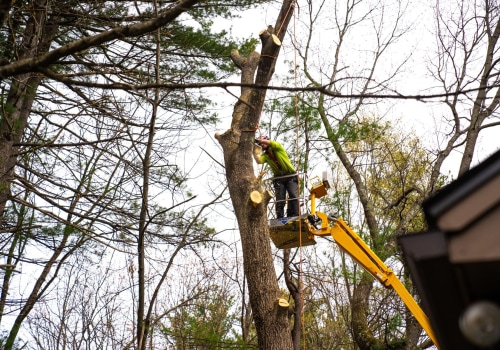
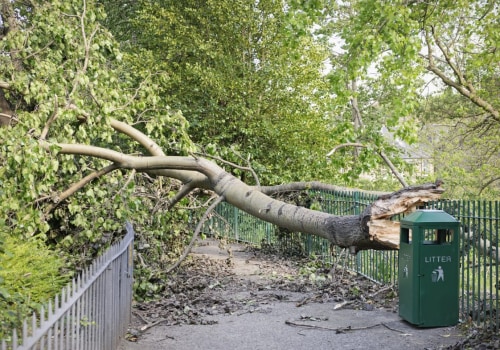
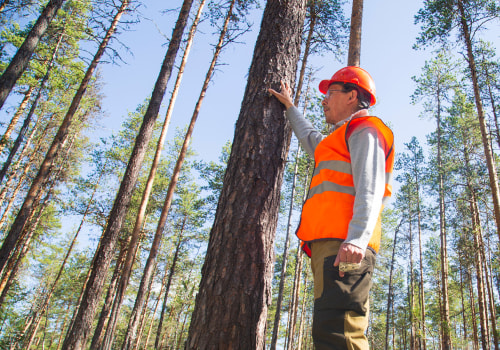
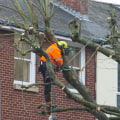
Tree inspection is a critical practice that involves assessing the health and structural integrity of trees. This process is essential not only for the well-being of the trees themselves but also for ensuring the safety of the surrounding environment. Trees can pose significant risks if they are unhealthy or structurally compromised, leading to potential hazards such as falling branches or even entire trees. Therefore, understanding tree inspection is vital for property owners, municipalities, and anyone who values the natural landscape. The importance of tree inspection cannot be overstated.
Regular inspections help identify issues such as disease, pest infestations, and structural weaknesses before they escalate into serious problems. By proactively managing tree health, we can enhance the longevity of these vital organisms while also protecting people and property from potential dangers. Moreover, a thorough inspection can inform decisions about tree care practices, including pruning, fertilization, and when to consider removal. As we delve deeper into this topic, it becomes clear that not just anyone can perform a tree inspection effectively. The qualifications required for a tree inspector are crucial to ensure that they possess the necessary knowledge and skills to conduct thorough assessments.
Understanding what makes a qualified tree inspector will help you appreciate the value of professional tree care and maintenance.
Educational Background for Tree Inspectors
To become a proficient tree inspector, a solid educational background is essential. Most professionals in this field hold degrees in areas such as forestry, horticulture, or environmental science. These disciplines provide the foundational knowledge necessary to understand tree biology, ecology, and the various factors that affect tree health.Relevant Degrees:
- Bachelor's Degree in Forestry: This degree focuses on the management and conservation of forested areas, equipping tree inspectors with skills in assessing tree health and understanding forest ecosystems.
- Bachelor's Degree in Horticulture: A degree in horticulture emphasizes plant cultivation and care, which is crucial for identifying diseases and pests that may affect trees.
- Bachelor's Degree in Environmental Science: This program covers broader environmental issues, including the impact of urbanization on tree populations, making it relevant for tree inspectors working in urban settings.
Importance of Continuing Education:
The field of tree inspection is constantly evolving due to advancements in technology and changes in environmental regulations.
Therefore, it is crucial for tree inspectors to engage in continuing education opportunities. Workshops, seminars, and online courses can help them stay updated on the latest best practices and research findings.In summary, aspiring tree inspectors should pursue relevant degrees and consider additional certifications to ensure they possess the necessary knowledge and skills for effective tree assessment and management.
Certifications and Licenses
When it comes to tree inspection, having the right certifications and licenses is crucial for ensuring that inspectors possess the necessary knowledge and skills to assess tree health and safety effectively. Various organizations offer certification programs that enhance a tree inspector's credibility and expertise in the field.Key Certifications for Tree Inspectors
- International Society of Arboriculture (ISA): The ISA offers a Certified Arborist program, which is widely recognized in the industry. This certification demonstrates an inspector's understanding of tree biology, health, and maintenance practices.
- Tree Care Industry Association (TCIA): The TCIA provides a Tree Inspector Certification that focuses on the assessment of tree health and safety.
This program emphasizes practical skills and knowledge essential for effective tree inspection.
- American Society of Consulting Arborists (ASCA): ASCA offers a Consulting Arborist Certification, which is ideal for those who provide expert advice on tree management and risk assessment.
Required Licenses
In addition to certifications, some states or municipalities may require specific licenses to perform tree inspections legally. These licenses often ensure that inspectors adhere to local regulations regarding tree care and management. It is essential for aspiring tree inspectors to check with their local authorities to understand the licensing requirements in their area.
The Importance of Certification Programs
Participating in certification programs not only enhances a tree inspector's knowledge but also builds trust with clients. Certified inspectors are often seen as more credible, as they have demonstrated their commitment to ongoing education and adherence to industry standards.
Furthermore, these programs typically require continuing education, ensuring that inspectors stay updated on the latest practices and technologies in tree inspection.In summary, obtaining relevant certifications and licenses is vital for anyone looking to establish a career in tree inspection. These credentials not only validate an inspector's expertise but also contribute significantly to the safety and health of urban forestry systems.
Practical Experience in Tree Inspection
Practical experience is a cornerstone of effective tree inspection. While theoretical knowledge provides a solid foundation, it is the hands-on training that truly equips tree inspectors with the skills necessary to assess tree health and safety accurately. Engaging in internships and apprenticeships allows aspiring inspectors to work alongside seasoned professionals, gaining invaluable insights into the nuances of tree care and inspection.Internships
are particularly beneficial as they offer real-world exposure to various tree species, environmental conditions, and inspection techniques.
During these programs, interns can learn how to identify signs of disease, pest infestations, and structural weaknesses in trees. This practical training not only enhances their observational skills but also builds their confidence in making critical assessments.Moreover, apprenticeships provide a structured learning environment where individuals can develop their expertise over time. Working under the guidance of experienced tree inspectors, apprentices can participate in fieldwork that includes climbing trees, using specialized equipment, and performing detailed inspections. This immersive experience is essential for understanding the complexities involved in tree inspection.Fieldwork is another vital component of practical experience.
Inspectors often need to navigate diverse terrains and weather conditions while conducting assessments. This exposure helps them adapt their techniques and approaches based on situational demands. Additionally, fieldwork fosters a deeper appreciation for the ecological roles trees play in their environments.In summary, practical experience through internships, apprenticeships, and fieldwork is crucial for anyone pursuing a career in tree inspection. These experiences not only enhance technical skills but also prepare inspectors to handle real-life challenges effectively.
Key Skills Required for Tree Inspectors
Tree inspection is a critical task that requires a unique set of skills to ensure the health and safety of trees in various environments.Below are some of the key skills that every tree inspector should possess:
- Analytical Skills: A tree inspector must be able to assess the condition of trees accurately. This involves evaluating factors such as species, age, health, and environmental conditions. Strong analytical skills enable inspectors to identify potential issues like disease or structural weaknesses.
- Attention to Detail: Tree inspections require a keen eye for detail. Inspectors must notice subtle signs of distress or decay that may not be immediately obvious.
This skill is crucial for early detection of problems that could lead to larger issues if left unaddressed.
- Communication Abilities: Effective communication is essential for tree inspectors, as they often need to convey their findings to clients, property owners, or municipal authorities. Being able to explain complex issues in simple terms helps ensure that necessary actions are taken promptly.
- Knowledge of Tree Biology: A solid understanding of tree biology and ecology is fundamental for any tree inspector. This knowledge helps them recognize different species and understand their specific needs and vulnerabilities.
- Problem-Solving Skills: Tree inspectors frequently encounter unexpected challenges during inspections. The ability to think critically and develop practical solutions on the spot is invaluable in this field.
By honing these abilities, tree inspectors can provide valuable insights that help maintain the vitality of our green spaces.
Continuing Education and Professional Development
In the field of tree inspection, staying current with the latest practices, technologies, and regulations is essential for ensuring the health and safety of trees. This is where continuing education and professional development come into play. Tree inspectors should actively seek out opportunities to enhance their knowledge and skills through various educational avenues.Workshops and Seminars
- Many organizations offer specialized workshops and seminars focused on tree health, pest management, and inspection techniques. These events provide hands-on experience and the chance to learn from industry experts.
- Attending local or national conferences can also be beneficial, as they often feature sessions on the latest research and innovations in tree care.
Online Courses
- With the rise of digital learning platforms, tree inspectors can now access a variety of online courses.
These courses cover topics such as tree biology, risk assessment, and advanced inspection methods, allowing inspectors to learn at their own pace.
- Many online programs also offer certification upon completion, which can enhance an inspector's credentials and marketability.
Networking Opportunities
- Engaging with peers through professional associations can lead to valuable networking opportunities. These connections often result in shared knowledge about best practices and emerging trends in tree inspection.
- Participating in local chapters of organizations like the International Society of Arboriculture (ISA) can provide access to exclusive resources and events tailored for tree care professionals.
Common Questions About Tree Inspector Qualifications
When considering a career as a tree inspector, many individuals have questions about the necessary qualifications. Here are some of the most common inquiries:- What educational background is required for tree inspectors?
Most tree inspectors hold a degree in forestry, arboriculture, or a related field.This educational foundation provides essential knowledge about tree biology, health, and management practices.
- Is certification important for tree inspectors?
Yes, obtaining certification can significantly enhance a tree inspector's credibility. Organizations such as the International Society of Arboriculture (ISA) offer certifications that demonstrate expertise in tree care and inspection. - What skills should a tree inspector possess?
A successful tree inspector should have strong observational skills, attention to detail, and the ability to identify signs of disease or pest infestations. Additionally, good communication skills are essential for explaining findings to clients. - Do tree inspectors need experience?
While formal education is crucial, hands-on experience is equally important. Many employers prefer candidates with practical experience in tree care or related fields, which can be gained through internships or entry-level positions. - Are there any continuing education requirements?
Yes, many certification programs require ongoing education to maintain credentials.This ensures that tree inspectors stay updated on the latest industry practices and advancements.
Conclusion: The Path to Becoming a Qualified Tree Inspector
In conclusion, becoming a qualified tree inspector requires a combination of education, certification, practical experience, and a diverse skill set. Each of these elements plays a crucial role in ensuring that tree inspectors can effectively assess the health and safety of trees.Education
is the foundation of a successful career in tree inspection. A degree in forestry, horticulture, or a related field provides essential knowledge about tree biology, ecology, and management practices.
This academic background equips inspectors with the theoretical understanding necessary to make informed decisions during inspections.Certification is another vital component. Organizations such as the International Society of Arboriculture (ISA) offer certification programs that validate an inspector's expertise and commitment to industry standards. Achieving certification not only enhances credibility but also demonstrates a dedication to ongoing education and professional development.Practical experience is equally important. Aspiring tree inspectors should seek internships or entry-level positions that allow them to work alongside seasoned professionals.
This hands-on experience helps develop critical skills such as identifying tree diseases, assessing structural integrity, and understanding local regulations regarding tree care.Finally, possessing strong communication skills is essential for a successful tree inspector. They must be able to convey their findings clearly to clients, landowners, and other stakeholders. Additionally, problem-solving abilities are crucial for developing effective management plans based on inspection results.In summary, the path to becoming a qualified tree inspector is multifaceted, requiring a blend of education, certification, experience, and interpersonal skills. By focusing on these areas, individuals can position themselves as trusted experts in the field of tree inspection, contributing to healthier urban forests and safer environments.