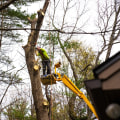
Tree inspections are a critical component of maintaining the health and safety of our urban and rural landscapes. These assessments involve a thorough examination of trees to identify any signs of distress, disease, or structural weaknesses that could pose risks to people and property. Regular tree inspections not only help in preserving the aesthetic value of our surroundings but also play a vital role in preventing potential hazards that can arise from neglected tree care. The importance of tree inspection cannot be overstated, especially in areas prone to severe weather conditions. Trees that are not regularly assessed may develop issues such as root rot, pest infestations, or fungal infections, which can compromise their stability.
By conducting routine inspections, arborists can detect these problems early on, allowing for timely interventions that can save trees and mitigate risks. Moreover, a comprehensive tree health assessment during an inspection provides valuable insights into the overall condition of the tree. This includes evaluating its growth patterns, leaf health, and bark integrity. Understanding these factors is essential for making informed decisions about tree care and management. As we delve deeper into the potential hazards identified during a tree inspection, it becomes clear that proactive measures can significantly enhance both tree longevity and community safety.
Common Hazards Identified During Tree Inspections
During a tree inspection, several potential hazards can be identified that may pose risks to both the tree's health and the surrounding environment.Understanding these hazards is crucial for maintaining safety and ensuring the longevity of trees. Below are some of the most common hazards encountered during tree inspections:
- Structural Weaknesses: Trees can develop structural issues such as cracks, splits, or decay in the trunk and branches. These weaknesses can lead to sudden failures, especially during storms or high winds.
- Pest Infestations: Insects and diseases can severely compromise a tree's health. Signs of infestation, such as holes in the bark or wilting leaves, should be closely monitored.
- Root Damage: The root system is vital for a tree's stability and nutrient uptake.
Damage from construction, soil erosion, or disease can weaken roots, making the tree more susceptible to falling.
- Overcrowding: Trees that are too close to one another may compete for sunlight and nutrients, leading to stunted growth and increased vulnerability to disease.
- Dead or Dying Branches: Branches that are dead or dying pose a significant risk as they can fall unexpectedly. Regular inspections help identify these branches for removal.
- Environmental Stressors: Factors such as drought, pollution, and extreme weather conditions can stress trees, making them more prone to disease and structural failure.
Structural Issues in Trees
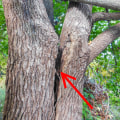
During a tree inspection, identifying structural issues is crucial for assessing the overall health and stability of a tree. These issues can manifest in various forms, including cracks, splits, and leaning trees, each of which poses unique risks to both the tree and its surrounding environment.Cracks and Splits
- Cracks in the trunk or branches can indicate internal decay or weakness.
Inspectors look for vertical or horizontal fissures that may compromise the tree's integrity.
- Splits often occur during severe weather conditions or due to rapid growth. A split trunk can lead to a complete failure if not addressed promptly.
Leaning Trees
A tree that is leaning significantly may be a sign of instability. Factors contributing to a leaning tree include:
- Root Damage: If roots are compromised due to soil erosion or construction activities, the tree may lean as it struggles to maintain balance.
- Weight Distribution: An uneven canopy can cause a tree to lean towards the lighter side, increasing the risk of toppling.
Regular inspections help in early detection of these problems, allowing for timely interventions that can prevent potential hazards.
Pest Infestations and Diseases
During a tree inspection, identifying pest infestations and tree diseases is crucial for maintaining the health and safety of trees. Pests such as insects and fungi can significantly impact a tree's vitality, leading to structural weaknesses and increased susceptibility to environmental stressors.Common Tree Pests
- Bark Beetles: These pests bore into the bark, disrupting the flow of nutrients and water.
- Gypsy Moths: Known for defoliating trees, they can weaken trees over time.
- Aphids: These small insects suck sap from leaves, causing yellowing and stunted growth.
Identifying Pest Infestations
Signs of pest infestations can often be observed during a thorough inspection. Look for:
- Visible insects on leaves or bark.
- Holes or tunnels in the bark.
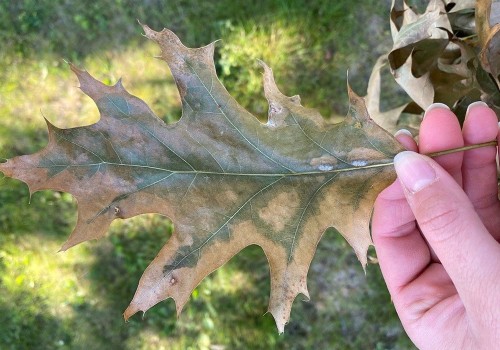
- Discoloration or wilting of leaves.
- Sticky residue (honeydew) on leaves, indicating aphid presence.
Tree Diseases
In addition to pests, various diseases can affect tree health. Common tree diseases include:
- Root Rot: Caused by fungi, it leads to decay and can be fatal if not addressed.
- Powdery Mildew: A fungal disease that appears as a white powder on leaves, affecting photosynthesis.
- Canker Diseases: These create sunken areas on the bark, which can girdle branches and trunks.
Identifying Tree Health Issues
A comprehensive tree inspection should include checking for symptoms of disease.
Key indicators include:
- Unusual leaf drop or discoloration.
- Dead branches or dieback in the canopy.
- Mushrooms or fungal growth at the base of the tree.
Environmental Factors Affecting Tree Health
During a tree inspection, it is crucial to assess various environmental factors that can significantly impact tree health and stability. These factors include soil conditions and weather impacts, both of which can lead to potential hazards.Soil Conditions
The quality of the soil in which a tree is rooted plays a vital role in its overall health. Poor soil conditions can lead to:- Nutrient Deficiency: Trees require essential nutrients for growth. Soil that lacks nitrogen, phosphorus, or potassium can weaken a tree, making it more susceptible to disease and pests.
- Poor Drainage: Soil that retains too much water can cause root rot, while overly dry soil can lead to drought stress.
Both conditions can compromise a tree's structural integrity.
- Soil Compaction: Compacted soil restricts root growth and reduces oxygen availability, which can stunt tree development and increase the risk of falling.
Weather Impact on Trees
Weather conditions also play a significant role in tree health. Extreme weather events can create immediate hazards:- High Winds: Strong winds can uproot trees or break branches, especially in trees that are already weakened by disease or poor soil conditions.
- Heavy Rainfall: Excessive rain can lead to flooding, which may saturate the soil and destabilize root systems.
- Drought: Prolonged periods without rain can stress trees, making them more vulnerable to pests and diseases.
Signs of Decay and Damage
During a tree inspection, identifying signs of decay and damage is crucial for maintaining the health and safety of trees. Various indicators can signal that a tree is suffering from decay or has sustained damage, which can lead to serious hazards if left unaddressed.- Fungal Growth: The presence of mushrooms or other fungi at the base of a tree or on its trunk can indicate internal decay.
These organisms thrive on decaying wood, suggesting that the tree may be compromised.
- Discoloration: Look for unusual discoloration in the bark or leaves. Yellowing leaves or dark spots on the bark can signify stress or disease.
- Cavities and Cracks: Visible cavities or deep cracks in the trunk are clear signs of structural weakness. These openings can allow pests and pathogens to enter, exacerbating decay.
- Soft or Spongy Wood: When inspecting a tree, gently probing the wood can reveal soft or spongy areas, indicating advanced decay. Healthy wood should feel firm and solid.
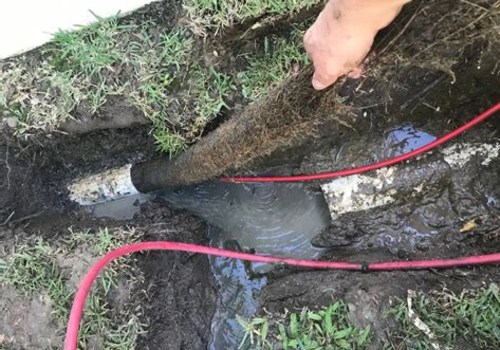
- Root Rot: Inspecting the root system is essential.
Signs of root rot, such as a foul smell or mushy roots, can indicate that the tree is at risk of falling.
Safety Protocols for Tree Inspectors
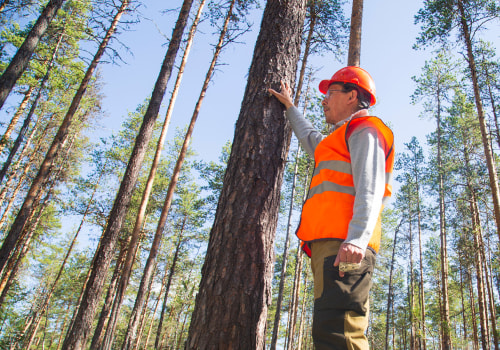
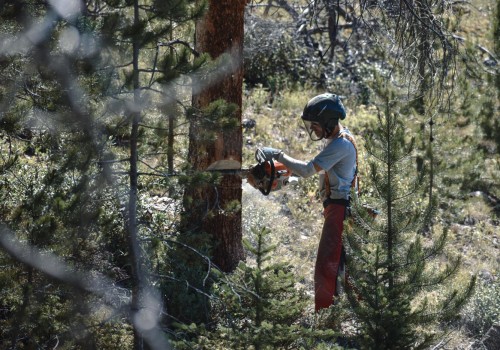
Conducting a tree inspection requires adherence to strict safety protocols to protect both the inspector and the surrounding environment. Here are essential safety practices that every tree inspector should follow:- Personal Protective Equipment (PPE): Always wear appropriate PPE, including hard hats, gloves, safety glasses, and steel-toed boots. This gear is crucial for protecting against falling branches and other hazards.
- Assessing the Environment: Before starting an inspection, evaluate the area for potential hazards such as power lines, unstable ground, or nearby traffic.
This assessment helps in planning a safe approach to the tree.
- Use of Tools: Ensure that all tools and equipment are in good working condition. Inspect climbing gear, saws, and other tools before use to prevent accidents during the inspection.
- Climbing Safety: If climbing is necessary, use proper climbing techniques and equipment. Always have a partner present when climbing to ensure assistance is available in case of an emergency.
- Weather Conditions: Monitor weather conditions before conducting an inspection. Avoid inspections during high winds, storms, or other adverse weather that could increase risk.
This training equips them to handle any accidents or injuries that may occur during an inspection.By following these safe tree inspection practices, inspectors can significantly reduce risks and ensure a thorough evaluation of the trees while maintaining their own safety and that of others around them.
FAQs About Tree Inspections and Hazards
When it comes to tree inspections, many homeowners and property managers have questions about the process and the potential hazards that can be identified. Here are some frequently asked questions:What are the common hazards identified during a tree inspection?
- Structural Weaknesses: Inspectors look for cracks, splits, or decay in the trunk and branches that could lead to failure.
- Pest Infestations: Signs of insects or diseases can weaken trees, making them more susceptible to falling.
- Root Damage: Compacted soil or root rot can compromise a tree's stability.
- Overhead Hazards: Trees that are too close to power lines or structures pose risks during storms or high winds.
How often should I have a tree inspection?
It is recommended to conduct a tree inspection at least once a year, especially after severe weather events. Regular inspections help identify potential hazards before they become serious issues.What does the tree inspection process involve?
The tree inspection process typically includes:- Visual Assessment: A thorough examination of the tree's overall health and structure.
- Soil Analysis: Checking the soil condition around the roots for compaction or drainage issues.
- Pest and Disease Evaluation: Identifying any signs of infestation or disease that could affect the tree's health.
- Recommendations: Providing guidance on necessary actions, such as pruning, treatment, or removal if needed.
Conclusion: The Importance of Regular Tree Inspections
In conclusion, regular tree inspections are essential for maintaining the health and safety of both trees and the surrounding environment. By identifying potential hazards early, property owners can take proactive measures to mitigate risks associated with tree failure, disease, and pest infestations. Throughout this article, we have discussed various hazards that can be identified during a tree inspection, including:- Structural Weaknesses: Trees with cracks, splits, or decay can pose significant risks, especially during storms or high winds.
- Pest Infestations: Insects and diseases can weaken trees, making them more susceptible to falling or breaking.
- Root Issues: Compromised root systems can lead to instability, increasing the likelihood of a tree falling.
- Environmental Factors: Changes in soil conditions or nearby construction can affect tree health and stability.
This not only protects people and property but also contributes to the overall ecosystem by maintaining healthy urban forests. Ultimately, investing time and resources into tree inspections is a small price to pay for the peace of mind that comes from knowing your trees are safe. Whether you choose to conduct these inspections yourself or hire a professional arborist, the benefits of regular monitoring cannot be overstated. Make tree inspections a priority to safeguard your landscape and enhance the beauty of your surroundings.