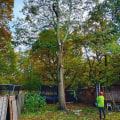
In urban environments, the presence of trees adds aesthetic value and contributes to the overall health of the ecosystem. However, tree inspections play a crucial role in maintaining safety for both pedestrians and vehicles. As trees grow, they can develop structural weaknesses or diseases that may pose significant hazards. Regular inspections help identify these potential risks before they escalate into dangerous situations. During a tree inspection, trained professionals assess the condition of trees, looking for signs of decay, instability, or other issues that could lead to falling branches or even entire trees collapsing.
Such incidents can have dire consequences, particularly in busy urban areas where foot traffic and vehicle movement are constant. By proactively addressing these concerns, municipalities can significantly reduce the likelihood of accidents and injuries. Moreover, urban safety is not solely about preventing physical harm; it also encompasses the peace of mind that comes from knowing that the environment is being monitored and maintained. When residents see that their local government prioritizes tree health through regular inspections, it fosters a sense of community trust and responsibility. Ultimately, investing in tree inspections is an essential step toward creating safer urban spaces for everyone.
What is a Tree Inspection?
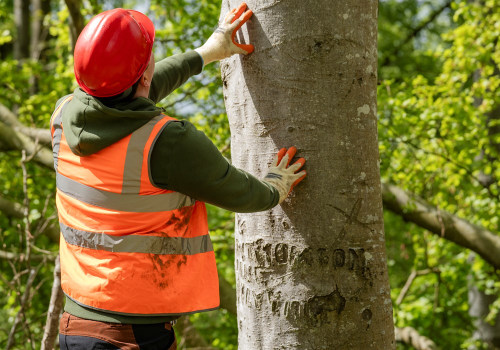
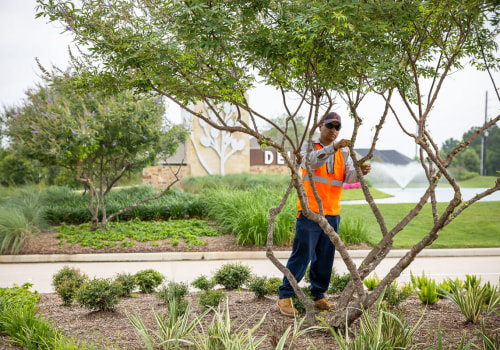
A tree inspection is a systematic evaluation of a tree's health, structure, and stability.This process is essential for identifying potential hazards that could pose risks to pedestrians and vehicles. During a tree inspection, certified arborists or tree care professionals assess various factors that contribute to the overall condition of the tree.
The Tree Inspection Process
- Visual Assessment: The inspector begins with a thorough visual examination of the tree from the ground up. This includes checking for visible signs of decay, damage, or disease.
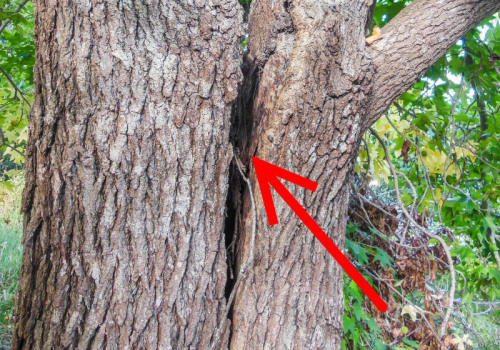
- Structural Evaluation: The inspector evaluates the tree's structure, looking for issues such as weak branch unions, cracks in the trunk, or leaning that may indicate instability.
- Root Inspection: If accessible, the root system is examined for signs of rot or damage. Healthy roots are crucial for a tree's stability and overall health.
- Environmental Factors: The surrounding environment is also considered, including soil conditions, proximity to structures, and potential impacts from weather events.
Tree Health Assessment
The health assessment component of a tree inspection involves evaluating factors such as:
- Foliage Condition: The leaves are inspected for discoloration or unusual patterns that may indicate stress or disease.
- Pest Infestation: Signs of pests or diseases are identified, as these can significantly affect a tree's health and stability.
- Growth Patterns: The growth rate and patterns are analyzed to determine if the tree is thriving or struggling.
Identifying Hazards: Common Issues Found During Tree Inspections
During a tree inspection, several potential hazards can be identified that pose risks to pedestrians and vehicles.Understanding these common issues is crucial for maintaining safety in urban and suburban environments.Dead Branches : One of the most prevalent hazards found during tree inspections is the presence of dead or dying branches. These branches can easily break off, especially during storms or high winds, posing a significant risk to anyone below. Regular inspections can help identify these branches before they become a danger.Root Problems : The health of a tree's root system is vital for its stability. Issues such as root rot or damage from construction can weaken a tree, making it more susceptible to falling.
Inspectors look for signs of root decay or disruption, which can indicate that the tree may not be secure.Disease and Pests : Trees can be affected by various diseases and pests that compromise their structural integrity. For instance, fungal infections can lead to wood decay, while infestations from insects like bark beetles can weaken the tree's overall health. A thorough tree inspection will assess for these issues, allowing for timely intervention.Lean and Structural Integrity : Trees that lean excessively may indicate underlying problems with their root systems or soil conditions. Inspectors evaluate the angle of lean and check for signs of instability, which could lead to a hazardous situation if the tree were to fall. By identifying these common issues during a tree inspection, property owners can take proactive measures to mitigate risks associated with tree hazards.
Regular inspections not only enhance safety but also promote the longevity and health of trees in the community.
The Impact of Tree Hazards on Pedestrians and Vehicles
Tree hazards can significantly impact both pedestrian safety and vehicle safety. When trees are not properly maintained, they can develop structural weaknesses that pose serious risks. For instance, dead branches or entire trees can fall unexpectedly, leading to injuries for pedestrians walking beneath them or damage to vehicles parked nearby.Regular tree inspections are essential in identifying these potential hazards before they escalate into dangerous situations. During an inspection, arborists assess the health of the tree, looking for signs of decay, disease, or structural instability.By addressing these issues proactively, communities can mitigate risks and enhance safety.
Common Tree Hazards
- Dead or Dying Branches: These can break off and fall at any time, especially during storms or high winds.
- Root Damage: Compromised roots can lead to tree instability, increasing the likelihood of a tree falling over.
- Pest Infestations: Insects can weaken trees, making them more susceptible to falling.
- Overgrown Canopies: Trees that extend over sidewalks or roadways can obstruct visibility for both pedestrians and drivers.
How Regular Tree Inspections Can Prevent Accidents
Regular tree inspections play a crucial role in maintaining safety for both pedestrians and vehicles.By identifying potential hazards early, property owners can take proactive measures to prevent accidents that may arise from falling branches or unstable trees.During a tree inspection, certified arborists assess the overall health and stability of trees. They look for signs of decay, disease, or structural weaknesses that could lead to failure. Here are some key benefits of conducting regular inspections:
- Early Detection of Issues: Regular inspections allow for the early identification of problems such as root rot, pest infestations, or fungal growth. Addressing these issues promptly can prevent larger, more dangerous situations.
- Risk Assessment: Arborists evaluate the risk level associated with each tree.
Trees located near high-traffic areas or pedestrian pathways are prioritized for inspection to ensure public safety.
- Preventive Maintenance: Based on the findings from inspections, property owners can implement necessary maintenance measures such as pruning dead branches or removing hazardous trees altogether.
- Compliance with Regulations: Many municipalities have regulations regarding tree maintenance. Regular inspections help ensure compliance, reducing liability and enhancing community safety.
By prioritizing tree health and stability, communities can create safer spaces for all.
Best Practices for Conducting Tree Inspections
Conducting a tree inspection is essential for maintaining safety in urban and suburban environments. Here are some best practices to ensure effective assessments:- Know When to Hire Professionals: If you notice significant signs of distress, such as large cracks, extensive decay, or if the tree is near power lines, it’s best to consult a professional tree inspector. They have the expertise and tools to assess the situation accurately.
- Timing Matters: The best time for a tree inspection is during late winter or early spring when trees are still dormant. This allows for better visibility of structural issues without the obstruction of leaves.
- Use Proper Tools: Equip yourself with essential tools such as a hand saw, pruning shears, and a measuring tape.
A good pair of binoculars can also help in inspecting higher branches without climbing.
DIY Tree Inspection Tips
If you choose to conduct a DIY inspection, follow these tips:- Look for Signs of Damage: Check for dead branches, peeling bark, or fungal growth at the base of the tree. These can indicate underlying health issues.
- Assess the Root System: Ensure that the roots are not exposed or damaged. A healthy root system is crucial for the stability of the tree.
- Evaluate Tree Lean: A tree that leans significantly may pose a risk. Measure the angle of lean and consider consulting a professional if it exceeds 15 degrees.
By following these best practices, you can ensure that your trees remain safe for pedestrians and vehicles alike.
Frequently Asked Questions About Tree Inspections
Tree inspections are essential for maintaining safety in urban and suburban environments. Here are some frequently asked questions regarding tree inspections:- What is a tree inspection? A tree inspection is a thorough assessment of a tree's health and structural integrity, conducted by a certified arborist. This process helps identify any potential hazards that could affect pedestrians or vehicles.
- How often should trees be inspected? It is recommended to have trees inspected at least once a year, especially those near high-traffic areas. However, trees that show signs of distress or have been affected by severe weather should be inspected more frequently.
- What are the signs that a tree needs inspection? Look for signs such as dead branches, cracks in the trunk, fungal growth, or leaning trees.
If you notice any of these symptoms, it’s crucial to schedule an inspection promptly.
- Can tree inspections prevent accidents? Yes, regular inspections can identify potential hazards before they become serious issues. By addressing problems early, you can significantly reduce the risk of falling branches or uprooted trees that could harm pedestrians or vehicles.
- What happens during a tree inspection? During an inspection, the arborist will evaluate the tree's overall health, check for diseases or pests, assess structural stability, and recommend necessary actions such as pruning or removal if needed.
Conclusion: The Essential Role of Tree Inspections in Community Safety
In conclusion, tree inspections play a vital role in ensuring the safety of our communities. By identifying potential hazards posed by trees, such as dead branches, root instability, or disease, these inspections help prevent accidents that could endanger pedestrians and vehicles alike.Regular assessments by certified arborists not only protect public safety but also contribute to the overall health of urban forestry.Here are some key takeaways regarding the importance of tree inspections:
- Proactive Hazard Identification: Routine inspections allow for early detection of issues that could lead to tree failure, thereby mitigating risks before they escalate.
- Enhanced Community Awareness: Educating the public about the signs of hazardous trees fosters a culture of vigilance and responsibility among community members.
- Improved Urban Planning: Insights gained from tree inspections can inform city planners and landscape architects, leading to better placement and maintenance of trees in public spaces.
- Cost-Effective Maintenance: Addressing tree issues early can save municipalities significant costs associated with emergency removals and liability claims.