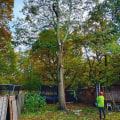
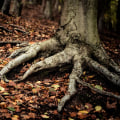
Understanding tree support and bracing is crucial for anyone invested in maintaining the health and stability of their trees. Trees, while resilient, can face various challenges that threaten their structural integrity. Factors such as severe weather, soil erosion, and disease can lead to weakened branches or trunks, making it essential to implement effective support systems. Proper tree inspection is the first step in identifying these vulnerabilities, allowing for timely intervention that can prevent further damage. Support and bracing methods are designed to enhance a tree's stability, especially during adverse conditions.
These techniques not only help in preserving the tree's aesthetic value but also play a significant role in ensuring safety for nearby structures and individuals. By understanding the different types of support systems available, tree care professionals and homeowners alike can make informed decisions that promote long-term health and resilience. In the following sections, we will delve deeper into specific methods of providing support and bracing for trees. From cables and braces to props and guying systems, each method has its unique applications and benefits. By equipping yourself with this knowledge, you can better protect your trees and contribute to a healthier landscape.
Why Tree Inspection is Crucial Before Support
Before implementing any support or bracing methods for trees, conducting a thorough tree inspection is essential.This process not only helps in identifying the current health of the tree but also reveals any underlying issues that may compromise its stability.
Importance of Tree Inspection
- Assessing Tree Health: A comprehensive inspection allows arborists to evaluate the overall health of the tree, including its root system, trunk integrity, and foliage condition. Healthy trees are more likely to withstand environmental stresses.
- Identifying Signs of Instability: During an inspection, professionals look for specific indicators of instability such as cracks in the trunk, leaning trunks, or extensive deadwood. These signs can suggest that a tree is at risk of failure.
- Preventing Future Issues: Regular inspections can help detect problems early on, allowing for timely interventions that can prevent more severe damage or even tree loss.
Signs of Tree Instability
- Leaning: A noticeable lean can indicate root damage or soil erosion.
- Cavities and Cracks: Large cavities or cracks in the trunk can weaken structural integrity.
- Fungal Growth: The presence of mushrooms or other fungi at the base may suggest decay within the tree.
By prioritizing a detailed inspection, you ensure that any support measures applied will be effective and safe, ultimately contributing to the longevity and health of your trees.
Common Methods of Tree Support
Supporting trees is essential for their health and stability, especially in urban environments or after severe weather events. Here are some common methods of tree support that can be employed:- Staking: This method involves driving stakes into the ground around the tree and securing the trunk with straps or ropes. Staking is particularly useful for young trees that need extra support while their root systems establish. However, it’s important to monitor the stakes and remove them after a year or two to prevent girdling.
- Cabling: For trees with weak branches or those that have a tendency to split, cabling can provide additional support.
This involves installing steel cables between branches or from the trunk to branches, helping to redistribute weight and reduce stress on vulnerable areas. While effective, cabling requires professional installation to ensure it does not damage the tree.
- Bracing: Similar to cabling, bracing uses rods or braces to support weak limbs or trunks. This method is often used in conjunction with cabling and can help stabilize trees that have suffered damage from storms or disease. Proper installation is crucial to avoid further injury to the tree.
- Guying: This technique is often used for larger trees that need stabilization during high winds.
Guy wires are anchored to the ground and attached to the tree at various points, providing a secure hold. While effective, guying can be visually unappealing and may require regular adjustments.
Bracing Techniques for Trees
When it comes to tree inspection, identifying the need for bracing is crucial for maintaining the health and stability of trees.Various bracing techniques can be employed depending on the specific issues a tree may face, such as structural weakness or damage from storms.
Types of Bracing for Trees
- Cabling: This technique involves installing high-strength cables between branches to reduce movement and provide support. It is particularly useful for trees with multiple leaders or those that have a risk of splitting.
- Bracing Rods: Metal rods can be inserted into the trunk or branches to provide internal support. This method is effective for trees that have suffered from significant damage or decay.
- Guying: This method uses external supports, such as stakes and ropes, to stabilize young or newly planted trees. Guying is essential during the establishment phase to ensure proper growth.
- Tree Wraps: In some cases, wrapping a tree with protective materials can help support weak areas while allowing for natural growth.
This technique is often used in conjunction with other methods.
- Cables: Typically made from steel or synthetic materials, these cables are designed to withstand significant tension.
- Bracing Rods: Usually constructed from galvanized steel, these rods are durable and resistant to corrosion.
- Guy Lines: Made from nylon or polyester, these lines are strong yet flexible, allowing for adjustments as the tree grows.
When to Seek Professional Help for Tree Support
While many tree support methods can be implemented by homeowners, there are specific scenarios where seeking professional tree support becomes essential. Understanding when to hire an arborist can save your trees from further damage and ensure their long-term health.Signs You Need Professional Help
- Severe Leaning: If a tree is leaning significantly, it may indicate root instability or decay. An arborist can assess the situation and recommend appropriate bracing techniques.
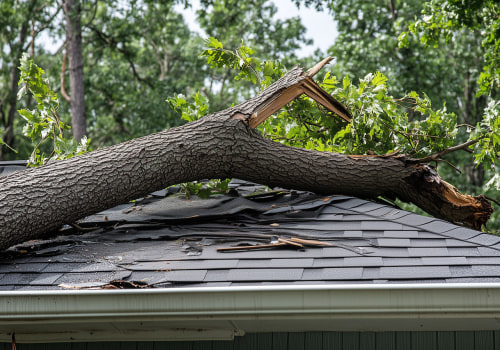
- Visible Damage: Trees with broken branches, cracks in the trunk, or bark peeling away may require expert evaluation.
Professionals can determine if the tree can be saved or if removal is necessary.
- Root Issues: If you notice exposed roots or signs of root rot, it’s crucial to consult an expert. They can provide solutions to stabilize the tree and prevent further decline.
- Pest Infestation: Trees infested with pests or diseases often need specialized treatment. An arborist can identify the problem and implement effective control measures.
- Height and Size: Large trees pose unique challenges for support and bracing. Professionals have the equipment and expertise to handle these situations safely.
Regular tree inspections by a certified arborist can help identify potential issues before they escalate. These experts not only provide support solutions but also offer valuable advice on tree care practices that promote growth and stability.Ultimately, investing in professional help for tree support ensures that your trees remain safe, healthy, and aesthetically pleasing in your landscape.
FAQs About Tree Support and Bracing
When it comes to tree support and bracing, many homeowners have questions about the best practices and methods. Here are some frequently asked questions that can help clarify these important aspects of tree care.What is tree bracing?
Tree bracing is a method used to provide additional support to trees that may be at risk of falling or breaking due to structural weaknesses. This technique often involves the use of rods or cables that are strategically placed to stabilize the tree and prevent further damage.When should I consider bracing my tree?
- If your tree has a significant lean or is showing signs of instability.
- After a storm, if you notice cracks or splits in the trunk or branches.
- If the tree has a large canopy but a weak trunk structure.
What materials are commonly used for tree support?
Common materials for tree support include:- Cables: High-strength steel cables can be used to connect branches or trunks, providing stability.
- Rods: Metal rods can be inserted into the tree to reinforce weak points.
- Guy wires: These are tensioned wires that help anchor the tree to the ground or other stable structures.
Can I brace a tree myself?
While some minor support tasks can be done by homeowners, it is generally recommended to consult with a professional arborist for proper tree inspection and bracing.Incorrect installation can lead to further damage or even harm the tree.
How long should bracing remain in place?
The duration for which bracing should remain in place varies depending on the condition of the tree. Regular inspections by an arborist can help determine when it is safe to remove the braces, ensuring that the tree remains healthy and stable.If you have more questions about tree support, consider reaching out to a local arborist who can provide tailored advice based on your specific situation.Conclusion: Key Takeaways on Tree Support and Bracing
In conclusion, understanding the various methods of providing support or bracing for trees is essential for maintaining their health and stability. Regular tree inspection plays a crucial role in identifying potential issues that may require intervention. By recognizing the signs of stress or structural weakness early on, tree care professionals can implement appropriate support systems to enhance the longevity and safety of trees.Here are some key takeaways regarding tree support and bracing:- Importance of Regular Inspections: Frequent tree inspections help detect problems such as root rot, pest infestations, or structural damage before they escalate.
- Types of Support Systems: Various methods, including cabling, bracing, and staking, can be employed based on the specific needs of the tree and its environment.
- Professional Assessment: Consulting with an arborist ensures that the chosen method is suitable for the tree species and its growth conditions.
- Long-term Care: Ongoing maintenance and monitoring are vital to ensure that support systems remain effective and do not harm the tree.
Remember, a well-supported tree not only enhances the beauty of our landscapes but also contributes significantly to our ecosystem.