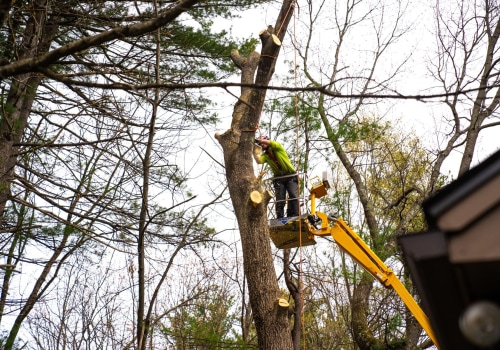
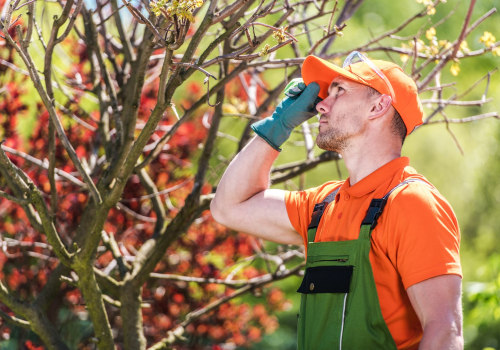
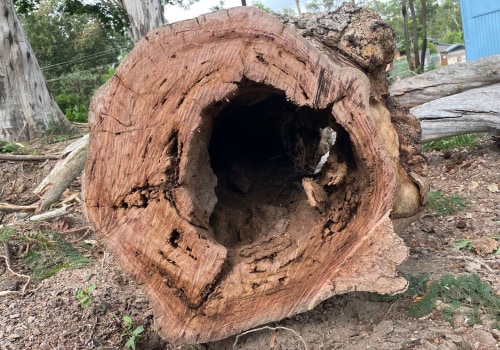
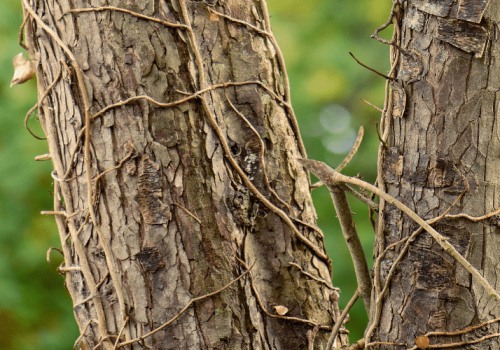
Tree inspections play a crucial role in maintaining the health and safety of our urban and rural landscapes. These assessments are not merely routine checks; they are comprehensive evaluations that can reveal underlying issues affecting a tree's stability and vitality. By identifying potential problems early, tree inspections can prevent hazardous situations, such as falling branches or even entire trees collapsing, which can pose significant risks to people and property. During a tree inspection, certified arborists examine various factors, including the tree's structure, root system, and overall health. This thorough analysis allows them to assess whether a tree may require additional support or bracing.
Trees that show signs of weakness, such as cracks in the trunk or an unbalanced canopy, may benefit from these interventions to enhance their stability and longevity. Understanding the importance of these inspections is vital for anyone who values the beauty and safety of their green spaces. Moreover, regular tree health assessments not only contribute to the safety of the environment but also promote the well-being of the trees themselves. Healthy trees provide numerous benefits, including improved air quality, shade, and aesthetic appeal. By prioritizing tree inspections, property owners can ensure that their trees remain robust and resilient against environmental stressors.
This proactive approach not only protects investments but also fosters a sustainable ecosystem for future generations.
What is a Tree Inspection?
A tree inspection is a systematic evaluation of a tree's health, structure, and overall condition. This process is essential for identifying potential issues that could affect the tree's stability and longevity. During a tree inspection, certified arborists or tree care professionals assess various factors that contribute to the tree's well-being.Tree Inspection Process
- Visual Assessment: The inspector begins with a thorough visual examination of the tree from the ground up. This includes checking for signs of disease, pest infestations, and structural defects.
- Root Inspection: If accessible, the roots are examined for signs of decay or damage.
Healthy roots are crucial for a tree's stability and nutrient uptake.
- Canopy Evaluation: The canopy is assessed for leaf density, color, and overall vitality. A sparse or discolored canopy may indicate underlying health issues.
- Structural Analysis: The inspector looks for structural weaknesses such as cracks, splits, or leaning trunks that may require additional support or bracing.
It provides valuable insights into the health and stability of trees, helping to prevent potential hazards and ensuring that trees remain an asset to the landscape.
Signs That a Tree May Need Support or Bracing
Identifying the signs that a tree may need support or bracing is crucial for maintaining its health and safety. A thorough tree inspection can reveal various indicators that suggest a tree is at risk of structural failure.- Leaning Trunk: If a tree appears to be leaning significantly, it may indicate that the root system is compromised. This can be caused by soil erosion, root rot, or damage to the roots. A leaning tree often requires immediate attention to assess its stability.
- Cracks or Splits: Visible cracks or splits in the trunk or major branches are serious warning signs.
These fractures can weaken the tree's structure and may necessitate bracing to prevent further damage.
- Dead or Dying Branches: Trees with numerous dead or dying branches may be struggling with health issues. If these branches are large, they can pose a risk of falling and may require support to ensure the tree remains stable.
- Excessive Canopy Weight: A tree with an unbalanced canopy, where one side is significantly heavier than the other, may need bracing. This imbalance can lead to stress on the trunk and branches, increasing the risk of breakage.
- Pest Infestation: Infestations from pests such as wood-boring insects can weaken a tree's structure. Signs of pest damage should be evaluated during a tree inspection, as they may necessitate additional support measures.
If you notice any of these indicators, consulting with an arborist for a professional assessment is advisable.
How Tree Inspections Identify Support Needs
Tree inspections are crucial for identifying trees that may require additional support or bracing. During these inspections, certified arborists utilize a variety of methods and tools to assess the structural integrity of trees. This process not only helps in recognizing weak trees but also ensures their longevity and safety.Visual Assessment
- Arborists begin with a thorough visual inspection, looking for signs of decay, damage, or disease. They examine the trunk, branches, and root system for any visible weaknesses.
- They pay close attention to the tree's overall shape and growth pattern, as irregularities can indicate structural issues.
Advanced Diagnostic Tools
- In addition to visual assessments, professionals may use tools such as resistographs to measure wood density and detect internal decay.
- Ultrasonic tomography can also be employed to visualize the internal structure of the tree, helping to identify areas that may need support.
Load Testing
- Some inspections may include load testing, where weights are applied to branches to evaluate their strength and stability under stress.
- This method helps determine if additional bracing is necessary to prevent potential failure during storms or high winds.
Professional Expertise
The role of professional expertise in tree inspections cannot be overstated.
Certified arborists are trained to recognize subtle signs of weakness that an untrained eye might miss. Their knowledge of tree biology and structural dynamics allows them to make informed recommendations regarding support systems such as cabling or bracing. By identifying trees that require additional support early on, they can help mitigate risks associated with falling branches or tree failure, ultimately protecting property and ensuring public safety.
The Role of Arborists in Tree Inspections
When it comes to tree inspections, the role of an arborist is crucial. Arborists are trained professionals who specialize in the care and management of trees.Their expertise allows them to conduct thorough assessments that go beyond a simple visual inspection.
Qualifications of Arborists
- Arborists typically hold certifications from recognized organizations, such as the International Society of Arboriculture (ISA), which ensures they have the necessary knowledge and skills.
- They undergo extensive training in tree biology, health, and safety practices, enabling them to identify potential issues that may not be visible to the untrained eye.
Responsibilities During Tree Inspections
- Visual Assessment: Arborists perform a detailed visual examination of the tree's structure, including its trunk, branches, and root system, looking for signs of decay, disease, or structural weakness.
- Diagnostic Tools: They utilize specialized tools such as resistographs and sonic tomographs to assess internal tree conditions that are not visible externally.
- Risk Evaluation: Arborists evaluate the risk a tree may pose to surrounding structures or people, especially if it shows signs of instability or disease.
- Recommendations: Based on their findings, arborists provide tailored recommendations for care, which may include bracing or cabling to support weak branches or limbs.
Common Methods of Supporting Trees
When a tree inspection reveals that a tree may require additional support, several methods can be employed to ensure its stability and health. Understanding these techniques is crucial for maintaining the integrity of your landscape.Bracing Techniques
Bracing is a common method used to support weak trees, particularly those with structural issues.Here are some effective bracing techniques:
- Cabling: This involves installing flexible cables between branches or from the trunk to the ground. It helps redistribute weight and reduce stress on weak limbs.
- Rod Bracing: Metal rods can be inserted into the tree to provide internal support. This technique is often used for trees with split trunks or large cavities.
- Guying: This method uses guy wires anchored to the ground to stabilize a tree that leans excessively. It’s particularly useful for young trees that have not yet established a strong root system.
Support Systems
In addition to bracing, various support systems can be implemented:- Tree Stakes: For newly planted trees, stakes can provide temporary support until the roots are established.
Ensure that stakes are removed after one growing season to prevent girdling.
- Root Anchors: These are installed underground and help secure the tree in place, especially in areas prone to high winds or erosion.
FAQs About Tree Inspections and Support Needs
When it comes to tree inspections, many homeowners have questions about the process and its importance in identifying trees that may require additional support or bracing. Here are some frequently asked questions that can help clarify these concerns.- What is a tree inspection? A tree inspection is a thorough evaluation of a tree's health, structure, and stability. Certified arborists assess various factors, including the tree's root system, trunk integrity, and overall condition.
- Why is a tree inspection necessary? Regular inspections can help identify potential issues before they become serious problems.
This proactive approach can prevent accidents and ensure the safety of your property and loved ones.
- How can I tell if my tree needs support? Signs that a tree may need support include visible leaning, cracks in the trunk, or extensive dieback of branches. An inspection by a professional can provide a definitive assessment.
- What types of support are available for trees? Common support methods include cabling and bracing. These techniques help stabilize weak branches or trunks, allowing the tree to grow safely without risking failure.
- How often should I have my trees inspected? It is recommended to have trees inspected at least once a year, especially if they are large or near structures. After severe weather events, an immediate inspection is advisable.
If you suspect your tree may need additional support, consulting with a certified arborist is crucial for ensuring its health and safety.
Conclusion: The Value of Regular Tree Inspections
In conclusion, regular tree inspections play a crucial role in maintaining the health and safety of trees on your property. By identifying potential issues early, such as structural weaknesses or signs of disease, these inspections can prevent costly damage and ensure the longevity of your trees.During a tree inspection, certified arborists assess various factors that contribute to a tree's overall health. This includes evaluating the tree's root system, trunk integrity, and canopy condition. By understanding these elements, property owners can make informed decisions about whether a tree requires additional support or bracing.- Early Detection: Regular inspections allow for the early detection of problems that may not be visible to the untrained eye.
- Preventative Measures: Identifying trees that need bracing or support can prevent future hazards, such as falling branches or complete tree failure.
- Expert Recommendations: Arborists provide tailored advice on how to care for your trees, including when to implement support systems.
Trees provide shade, improve air quality, and enhance property value. Therefore, investing in tree inspections is not just about safety; it’s about fostering a thriving environment.In summary, prioritizing regular tree inspections is essential for any property owner who values their trees. By ensuring that your trees are healthy and well-supported, you can enjoy their benefits while minimizing risks associated with tree failure.