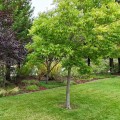
Tree inspections are a crucial aspect of maintaining the health and safety of our urban and rural landscapes. Regular tree inspections help identify potential issues before they escalate into serious problems, ensuring that trees remain vibrant and safe for their surroundings. Understanding the importance of tree health is essential not only for aesthetic reasons but also for environmental stability and community safety. During a tree inspection, trained professionals look for various signs of tree disease, which can manifest in numerous ways. These signs may include discolored leaves, unusual growth patterns, or the presence of pests.
Recognizing these symptoms early can prevent the spread of disease to other trees and reduce the risk of falling branches or entire trees collapsing, which can pose significant hazards to people and property. Moreover, a thorough inspection can reveal underlying issues such as root rot or structural weaknesses that may not be immediately visible. By prioritizing regular tree inspections, property owners can take proactive measures to maintain their trees' health, ensuring they continue to provide shade, beauty, and ecological benefits for years to come.
Common Signs of Tree Disease
Identifying the signs of tree disease is crucial for maintaining the health of your landscape. During a tree inspection, several visual symptoms and physical changes can indicate that a tree is suffering from a disease. Here are some common signs to look for:- Discoloration of Leaves: Healthy leaves are typically vibrant green.
If you notice yellowing, browning, or spots on the leaves, it may indicate a nutrient deficiency or disease.
- Wilting or Dropping Leaves: Trees that are diseased may exhibit wilting leaves or premature leaf drop, especially during the growing season.
- Unusual Growths: Look for galls, cankers, or fungal growths on the bark or branches. These can be signs of infection and should be examined closely.
- Cracked or Peeling Bark: Healthy bark should be smooth and intact. Cracks, splits, or peeling bark can indicate underlying issues such as rot or disease.
- Dead Branches: If you notice dead branches among healthy foliage, it could signify that the tree is struggling with disease.
- Pest Infestation: The presence of insects such as borers or aphids can weaken a tree and make it more susceptible to diseases.
Regular tree inspections can help catch these signs early, allowing for timely intervention and care.
Visual Symptoms to Look For
When conducting a tree inspection, identifying visual symptoms is crucial for diagnosing potential diseases. Several key indicators can help you determine the health of a tree.Leaf Discoloration
One of the most noticeable signs of tree disease is leaf discoloration. Healthy leaves typically exhibit vibrant colors, while diseased trees may show:- Yellowing leaves: This can indicate nutrient deficiencies or root problems.
- Brown or black spots: These may suggest fungal infections or bacterial issues.
- Wilting leaves: A sign of water stress, which can be caused by root rot or other diseases.
Bark Abnormalities
The bark of a tree serves as its protective layer, and any abnormalities can signal underlying issues. Look for:- Cankers: These are sunken areas on the bark that can indicate a serious infection.
- Cracks or splits: These may expose the tree to pests and diseases.
- Peeling bark: This can be a sign of stress or disease, particularly in species like birch and maple.
Regularly monitoring these visual symptoms during your tree inspection can help you catch diseases early and take appropriate action to protect your trees.
Physical Changes in Trees
During a tree inspection, identifying physical changes in trees is crucial for diagnosing potential diseases. These changes can manifest in various ways, often indicating underlying issues that may compromise the tree's health.Structural Issues
One of the first signs to look for is any noticeable structural damage. This can include:- Cracks or splits in the trunk or branches, which may suggest weakness or decay.
- Leaning trees, which can indicate root problems or soil instability.
- Dead branches, especially if they are scattered throughout the tree, signaling potential disease or pest infestations.
Root Problems
The health of a tree's roots is vital for its overall stability and nutrient uptake. Signs of root problems include:- Exposed roots, which may occur due to soil erosion or improper planting depth.
- Root rot, often indicated by a foul smell or mushy texture when inspecting the soil around the base of the tree.
- Girdling roots, which wrap around the trunk and can choke off essential nutrients and water supply.
For instance, peeling bark or unusual discoloration may suggest disease or insect activity. Regular tree inspections focusing on these physical changes can help in early detection and management of tree diseases, ultimately preserving their health and longevity.
Pests and Diseases: A Closer Look
During a tree inspection, identifying signs of pests and diseases is crucial for maintaining the health of your trees. Various pests and diseases can significantly impact tree vitality, leading to long-term damage or even death if not addressed promptly.Common Tree Pests
- Emerald Ash Borer: This invasive beetle targets ash trees, leaving distinctive D-shaped exit holes in the bark. Look for canopy dieback and increased woodpecker activity as signs of infestation.
- Spider Mites: These tiny pests can cause yellowing leaves and fine webbing on branches.
Inspect the undersides of leaves for these minuscule creatures.
- Scale Insects: Often appearing as small, waxy bumps on branches and leaves, scale insects can weaken trees by sucking sap. Affected areas may appear sticky due to honeydew excretion.
Common Tree Diseases
- Powdery Mildew: This fungal disease manifests as a white powdery substance on leaves, often leading to leaf distortion and premature drop.
- Root Rot: Caused by various fungi, root rot leads to yellowing leaves and stunted growth. Check for a foul smell in the soil and mushy roots during inspection.
- Canker Diseases: These are localized areas of dead tissue on stems or branches. Look for sunken, discolored areas that may ooze sap.
Pest Identification Tips
- Examine leaves, stems, and roots closely for any unusual discoloration or texture changes.
- Use a magnifying glass to spot small pests or eggs that may be hidden from plain sight.
- Document any findings with photographs to track changes over time.
Regular monitoring is key to preventing the spread of pests and diseases that could threaten your landscape.
Environmental Factors Affecting Tree Health
Understanding the environmental factors that affect tree health is crucial for effective tree inspection. Trees are living organisms that respond to their surroundings, and various elements can significantly influence their vitality.Soil Quality
- Soil Composition: The type of soil in which a tree is planted plays a vital role in its health. Nutrient-rich soils promote strong growth, while poor soil can lead to deficiencies that make trees more susceptible to disease.
- Drainage: Proper drainage is essential. Waterlogged soil can suffocate roots and promote root rot, while overly dry conditions can stress the tree, making it vulnerable to pests and diseases.
- pH Levels: The acidity or alkalinity of the soil affects nutrient availability.
A pH imbalance can hinder a tree's ability to absorb essential nutrients, leading to weakened health.
Weather Impact on Trees
- Temperature Extremes: Sudden temperature changes can stress trees. For instance, late frosts can damage new buds, while extreme heat can lead to dehydration.
- Precipitation Patterns: Both drought and excessive rainfall can harm trees. Drought conditions lead to water stress, while heavy rains can cause soil erosion and root exposure.
- Wind Damage: Strong winds can break branches or uproot trees, especially those that are already weakened by disease or poor soil conditions.
When to Seek Professional Help
Understanding when to seek professional help for tree inspections is crucial for maintaining the health of your trees and ensuring safety on your property.While some signs of tree disease can be identified by the average homeowner, others require the expertise of a certified arborist.
Signs That Indicate the Need for Professional Inspection:
- Severe Leaf Discoloration: If you notice significant yellowing, browning, or premature leaf drop that persists over time, it may indicate underlying issues that need expert evaluation.
- Visible Decay or Fungi: The presence of mushrooms or fungal growth at the base of the tree or on its trunk is a clear sign of decay. This often requires immediate attention from a tree care professional.
- Cracks and Splits: Large cracks or splits in the trunk can compromise the structural integrity of the tree. An arborist can assess whether the tree can be saved or if removal is necessary.
- Unusual Leaning: If a tree begins to lean significantly, it may be at risk of falling. This situation warrants a professional assessment to determine stability and safety.
- Pest Infestation: The presence of pests such as borers or aphids can lead to serious health issues for trees.
An expert can recommend appropriate treatments to manage infestations effectively.
When to Call an Arborist:
If you observe any of these signs, it’s advisable to contact a professional tree inspection service. Arborists are trained to diagnose tree health issues accurately and can provide tailored solutions for care and maintenance. Additionally, if you are unsure about the overall health of your trees or if they are located near power lines or structures, seeking professional advice is always a wise choice.
Benefits of Professional Tree Care Services:
- Expert Diagnosis: Arborists have the knowledge and tools to identify diseases and pests that may not be visible to the untrained eye.
- Safety Measures: Professionals can safely handle hazardous situations, such as removing dead or dying trees that pose risks to people and property.
- Long-term Health: Regular inspections and maintenance by professionals can prolong the life of your trees and enhance their beauty.
FAQs About Tree Inspections and Disease Signs
When it comes to tree inspections, understanding the signs of a diseased tree is crucial for maintaining the health of your landscape.Here are some frequently asked questions that can help clarify what to look for during an inspection.
What are the common signs of a diseased tree?
- Discolored Leaves: Yellowing, browning, or wilting leaves can indicate stress or disease.
- Leaf Drop: An unusual amount of leaf drop, especially outside of the normal seasonal cycle, may signal a problem.
- Dead Branches: The presence of dead or dying branches can be a clear indicator of tree health issues.
- Fungal Growth: Mushrooms or other fungi growing on the trunk or around the base can suggest decay.
- Bark Damage: Cracks, peeling, or holes in the bark may expose the tree to pests and diseases.
How often should I conduct a tree inspection?
Regular tree inspections are essential. It is recommended to inspect your trees at least once a year, but more frequent checks may be necessary after severe weather events or if you notice any changes in their appearance.What should I do if I find signs of disease?
If you observe any signs of disease during your inspection, it’s important to take action promptly. Here are some steps you can follow:- Consult an Arborist: A certified arborist can provide a professional assessment and recommend treatment options.
- Avoid DIY Treatments: While it may be tempting to try home remedies, improper treatment can worsen the situation.
- Monitor Progress: Keep an eye on the tree’s condition after treatment to ensure it is improving.
Conclusion: Ensuring Tree Health Through Regular Inspections
In conclusion, regular tree inspections are essential for maintaining the health and vitality of your trees. By being proactive and identifying potential issues early, you can prevent minor problems from escalating into major threats.Throughout this article, we have discussed various signs of a diseased tree, including:
- Discoloration of leaves: Yellowing or browning leaves can indicate stress or disease.
- Unusual growth patterns: Stunted growth or excessive growth in certain areas may signal underlying issues.
- Visible decay or damage: Cracks, holes, or fungal growth on the trunk and branches are clear indicators of a compromised tree.
- Pest infestations: The presence of insects or their damage can weaken a tree significantly.
- Falling branches: Regularly shedding branches can be a sign of structural weakness or disease.
Make it a habit to inspect your trees regularly and seek professional advice when necessary to ensure they thrive for years to come.