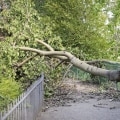
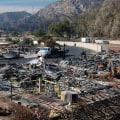
Tree inspections play a crucial role in maintaining the health and safety of our urban and rural landscapes. By systematically evaluating the condition of trees, these inspections help identify potential hazards, including those that could lead to fire damage. Understanding the importance of tree inspections is essential for property owners, especially in areas prone to wildfires or where dry conditions can exacerbate fire risks. During a tree inspection, certified arborists assess various factors such as tree species, age, structural integrity, and overall health. This comprehensive evaluation not only highlights existing issues but also uncovers vulnerabilities that may not be immediately visible.
For instance, trees with dead branches or excessive undergrowth can serve as fuel for fires, making it imperative to address these concerns proactively. Moreover, regular tree inspections can inform land management practices that significantly reduce the risk of fire damage. By implementing recommendations from these assessments—such as pruning dead limbs, removing flammable debris, and ensuring proper spacing between trees—property owners can create a safer environment. Ultimately, investing in tree inspections is not just about preserving the beauty of our landscapes; it is a vital step in safeguarding our homes and communities from the devastating effects of fire.
Key Findings from Tree Inspections Related to Fire Risk
Tree inspections play a crucial role in identifying fire risk factors that can threaten both the health of trees and the safety of surrounding properties. Understanding the common findings from these inspections can help landowners take proactive measures to mitigate fire hazards. One of the primary concerns identified during a tree inspection is the presence of dead branches.These branches not only serve as fuel for fires but can also compromise the overall health of the tree. Regularly removing dead or dying limbs can significantly reduce the risk of fire spreading from tree to tree. Another critical finding is the presence of diseased trees. Trees affected by diseases such as bark beetle infestations or root rot are often weakened and more susceptible to fire. A thorough assessment during a tree inspection can help identify these issues early, allowing for timely intervention, such as treatment or removal. The proximity of trees to structures is also a significant factor in fire risk.
Trees that are too close to homes or other buildings can easily ignite and transfer flames. During a tree inspection, it’s essential to evaluate the distance between trees and structures, ensuring that there is adequate space to prevent fire spread. Additionally, the accumulation of flammable materials, such as dry leaves and twigs around the base of trees, can increase fire risk. Regular maintenance, including clearing debris and maintaining a defensible space around trees, is vital for reducing potential hazards. In summary, findings from tree inspections related to fire risk include:
- Identification of dead or dying branches
- Detection of tree diseases
- Assessment of tree proximity to structures
- Evaluation of flammable material accumulation
Preventive Measures Based on Inspection Findings
To effectively reduce the risk of fire damage to trees, it is essential to implement preventive measures based on the findings of a thorough tree inspection. These measures not only enhance the health of the trees but also create a safer environment in fire-prone areas.- Pruning: Regular pruning is vital for maintaining tree health and reducing fire risk.
Inspectors should identify branches that are too close to structures or power lines. Removing these branches can prevent flames from spreading during a fire. Additionally, pruning helps to eliminate dead or dying limbs that can easily ignite.
- Removal of Dead Material: Accumulated dead leaves, branches, and other organic debris can serve as fuel for fires. Based on inspection findings, it is crucial to clear away this material from around the base of trees and within the surrounding area.
This practice not only reduces fire risk but also promotes better air circulation and moisture retention for the trees.
- Proper Spacing: Trees that are planted too closely together can create a ladder effect, allowing fire to climb from one tree to another. Inspections should assess tree spacing and recommend thinning out overcrowded areas. This not only minimizes fire risk but also allows for better sunlight penetration and airflow, which are beneficial for tree health.
- Mulching: Using non-flammable mulch materials around trees can help suppress weeds and retain moisture while reducing the likelihood of fire spread. Inspectors can recommend appropriate mulching techniques that align with fire prevention strategies.
Regular inspections and maintenance are key components in fostering a resilient ecosystem that can withstand potential fire threats.
The Role of Proper Tree Maintenance in Fire Risk Reduction
Proper tree maintenance plays a crucial role in reducing the risk of fire damage to trees, particularly in areas prone to wildfires. Regular tree inspections can identify potential hazards and inform maintenance practices that promote tree health and resilience.- Pruning: Regular pruning helps remove dead or dying branches that can easily ignite during a fire. By maintaining a well-structured canopy, trees are less likely to catch fire and can better withstand heat.
- Thinning: Thinning out dense tree stands reduces competition for resources and lowers the overall fuel load. This practice not only enhances tree health but also minimizes the risk of fire spreading through closely spaced trees.
- Mulching: Applying organic mulch around the base of trees can help retain moisture in the soil, promoting healthy growth.
However, it’s essential to keep mulch at least 3 inches away from the trunk to prevent it from becoming a fire hazard.
- Watering: Ensuring that trees receive adequate water, especially during dry spells, strengthens their health and resilience against fires. Healthy trees are less likely to succumb to stress and damage from flames.
- Pest Management: Regular monitoring for pests and diseases is vital. Infested or weakened trees are more susceptible to fire damage. Implementing integrated pest management strategies can help maintain tree vigor.
This proactive approach not only protects trees but also enhances the safety of surrounding structures.Ultimately, ongoing tree maintenance is an investment in both the health of individual trees and the broader ecosystem. By prioritizing these practices, landowners can contribute to effective fire risk management, ensuring that their trees remain robust and less vulnerable to fire damage.
Community Involvement in Fire Risk Management for Trees
Community involvement is essential in fire risk management for trees, as local initiatives can significantly enhance awareness and preparedness. By fostering a culture of responsibility and education, communities can effectively reduce the risk of fire damage to their green assets.1.Organizing Educational Workshops
- Communities can host workshops that educate residents about the importance of tree inspections and how to identify potential fire hazards.
- These workshops can cover topics such as proper tree maintenance, the significance of removing dead or dying trees, and the role of vegetation management in fire prevention.
2.Establishing Local Fire Watch Programs
- Creating volunteer-based fire watch programs allows community members to monitor local areas for fire risks, including overgrown vegetation and dead trees.
- These programs can also facilitate communication with local fire departments, ensuring that any identified risks are promptly addressed.
3.Promoting Community Clean-Up Days
- Organizing clean-up days encourages residents to participate in clearing brush and debris around trees, which can serve as fuel for wildfires.
- This not only helps in reducing fire risks but also fosters a sense of community and shared responsibility for local environmental health.
4.Collaborating with Local Authorities
- Communities should work closely with local government agencies to develop and implement fire risk management plans that include regular tree inspections.
- This collaboration can lead to better resource allocation for tree care and maintenance, ultimately reducing the likelihood of fire damage.
5.Utilizing Social Media for Awareness Campaigns
- Leveraging social media platforms can help spread awareness about fire risks associated with trees and promote community events focused on tree care.
- Engaging content, such as infographics and videos, can effectively communicate the importance of proactive measures in fire risk management.
FAQs About Tree Inspections and Fire Risk Reduction
When it comes to tree inspections and their role in reducing fire risk, many homeowners have questions.Here are some frequently asked questions that can help clarify the importance of regular tree assessments.
What is a tree inspection?
A tree inspection is a thorough evaluation of a tree's health, structure, and potential hazards. Certified arborists assess factors such as disease, pest infestations, and structural integrity, which can all influence a tree's susceptibility to fire.How can tree inspections help reduce fire risk?
Regular tree inspections identify trees that may pose a fire hazard due to dead branches, excessive foliage, or proximity to structures. By addressing these issues proactively, homeowners can significantly lower the risk of fire damage.What specific measures can be taken after an inspection?
- Pruning: Remove dead or dying branches that could easily ignite.
- Thinning: Reduce the density of trees and shrubs to create defensible space.
- Mulching: Use non-flammable mulch materials around trees to minimize fire spread.
- Removal: Consider removing trees that are too close to structures or are in poor health.
How often should I have my trees inspected?
It is recommended to have a tree inspection at least once a year, especially in areas prone to wildfires. However, after severe weather events or if you notice any changes in your trees, an immediate inspection may be warranted.Can I perform a tree inspection myself?
While homeowners can conduct basic visual assessments, it is best to hire a certified arborist for a comprehensive tree inspection.Professionals have the expertise to identify hidden issues that may not be apparent to the untrained eye.By understanding these aspects of tree inspections, homeowners can take informed steps towards reducing fire risks and ensuring the health of their trees.
Conclusion: Summarizing Key Strategies for Fire Damage Prevention in Trees
In conclusion, the findings from a tree inspection provide invaluable insights into the health and resilience of trees against fire damage. By implementing the strategies identified through these inspections, property owners can significantly reduce the risk of fire-related incidents.Key Takeaways for Fire Damage Prevention:- Regular Inspections: Conducting routine tree inspections allows for early detection of potential hazards, such as dead branches or disease, which can increase fire risk.
- Proper Pruning: Maintaining a well-pruned tree canopy helps to minimize fuel loads. Removing dead or overhanging branches can prevent fires from spreading to the tree.
- Creating Defensible Space: Establishing a defensible space around trees by clearing flammable materials and maintaining a safe distance between trees and structures is crucial.
- Soil Health: Ensuring that trees are healthy through proper soil management can enhance their resilience to fire. Healthy trees are less likely to catch fire and more capable of recovering from damage.
- Watering Practices: Adequate watering, especially during dry seasons, can help keep trees hydrated and less susceptible to ignition.
The importance of ongoing tree care cannot be overstated; it not only protects the trees themselves but also safeguards properties and communities from the devastating effects of fire. In summary, investing time and resources into regular inspections and maintenance is essential for effective fire damage prevention.