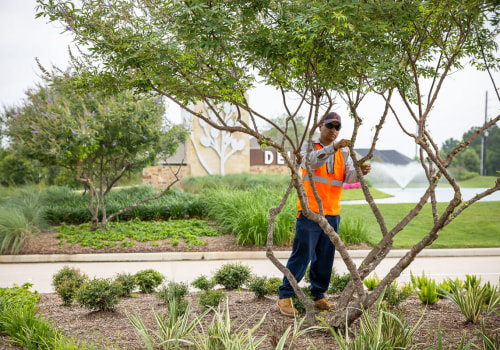
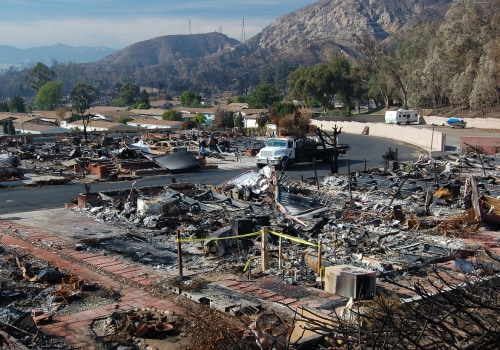
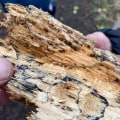
In the realm of landscape management, tree inspections play a crucial role in ensuring the health and safety of our green companions. As storms become increasingly unpredictable, understanding the condition of trees on your property is more important than ever. A thorough tree inspection not only identifies potential hazards but also provides insights into the overall vitality of your trees, allowing for proactive measures to be taken before severe weather strikes. During a tree inspection, certified arborists assess various factors that contribute to a tree's stability and resilience against storm damage. This includes evaluating the tree's structural integrity, root health, and any signs of disease or decay.
By pinpointing weaknesses early on, property owners can make informed decisions about necessary interventions, such as pruning or even removal of at-risk trees. This proactive approach not only protects your property but also enhances the safety of your family and neighbors. Moreover, regular tree inspections foster a deeper understanding of the ecosystem within your landscape. Healthy trees contribute to air quality, provide shade, and support local wildlife. By prioritizing the importance of tree inspection, you are investing in the long-term health of your environment while mitigating risks associated with storm damage.
In essence, a well-timed inspection can be the difference between a minor inconvenience and a major disaster when storms roll through.
What is a Tree Inspection?
A tree inspection is a systematic evaluation of a tree's health, structure, and overall condition. This process is essential for identifying potential risks, especially those related to storm damage. During a tree inspection, certified arborists assess various factors that contribute to a tree's stability and resilience against severe weather conditions.Definition of Tree Inspection:
A tree inspection involves a thorough examination of a tree's physical attributes, including its trunk, branches, leaves, and root system. The goal is to detect any signs of disease, decay, or structural weaknesses that could lead to failure during storms.Types of Tree Inspections
- Visual Inspection: This is the most common type of inspection, where an arborist visually assesses the tree from the ground.
They look for obvious signs of damage or disease.
- Climbing Inspection: For trees that are tall or have complex structures, arborists may climb the tree to conduct a more detailed examination of its branches and canopy.
- Root Inspection: This type involves examining the root system, often requiring excavation. It helps identify issues like root rot or structural instability.
- Risk Assessment: A specialized inspection focused on evaluating the likelihood of a tree causing damage during storms. This includes analyzing its location relative to structures and people.
By investing in professional tree inspections, you can protect your property and ensure the safety of your surroundings.
Signs of Trees at Risk for Storm Damage
Identifying trees that may be at risk for storm damage is crucial for maintaining safety and protecting property. Regular tree inspections can help homeowners and property managers recognize the signs of potential hazards. Here are some key indicators to look for:- Cracks and Splits: Look for visible cracks or splits in the trunk or major branches. These can weaken the structural integrity of the tree, making it more susceptible to breaking during high winds.
- Dead or Dying Branches: Trees with a significant number of dead or dying branches are at a higher risk.
These branches can easily snap off and become projectiles in a storm.
- Leaning Trees: A tree that has begun to lean significantly may indicate root damage or instability. This can be exacerbated by heavy winds, leading to potential uprooting.
- Root Damage: Exposed roots or signs of decay can compromise a tree's stability. Inspect the base of the tree for any signs of rot or damage.
- Pest Infestation: Insects such as bark beetles can weaken trees, making them more vulnerable to storm damage. Look for signs of infestation, such as holes in the bark or sawdust around the base.
Regular tree inspections not only help in identifying weak trees but also provide an opportunity to consult with arborists about necessary treatments or removals. This preventative approach is essential in safeguarding your landscape against severe weather events.
How Tree Inspections Identify Risks
Tree inspections are a critical component in identifying trees that may be at risk for storm damage. These evaluations are conducted by certified arborists who utilize a variety of techniques to assess the health and stability of trees. Understanding how tree inspections work can help property owners take proactive measures to protect their landscapes.During a tree inspection, professionals examine several key factors:- Structural Integrity: Arborists look for signs of weakness in the tree's structure, such as cracks, splits, or decay in the trunk and branches.
- Root Health: The condition of the root system is crucial.
Inspectors check for root rot or damage that could compromise the tree's stability.
- Foliage Assessment: The health of the leaves can indicate overall tree vitality. Discoloration or premature leaf drop may signal underlying issues.
- Pest and Disease Inspection: Infestations or diseases can weaken trees, making them more susceptible to storm damage.
- Peace of Mind: Knowing that your trees have been evaluated by an expert can alleviate concerns about potential hazards.
- Informed Decision-Making: Inspections offer valuable insights that help in making decisions about tree care, maintenance, or removal.
- Long-Term Cost Savings: Addressing issues early can prevent costly damage to property and reduce the need for emergency tree services after a storm.
By understanding how these evaluations work and their benefits, property owners can take informed steps to protect their trees and properties from severe weather impacts.
The Role of Certified Arborists in Tree Inspections
When it comes to tree inspections, the expertise of certified arborists is invaluable. These professionals possess extensive knowledge and training in tree biology, health, and structural integrity, enabling them to identify potential risks that could lead to storm damage.Certified arborists
undergo rigorous training and certification processes, ensuring they are well-equipped to assess the condition of trees accurately. Their qualifications often include a deep understanding of tree species, growth patterns, and environmental factors that can affect tree stability. This expertise is crucial when evaluating trees for vulnerabilities that may not be immediately apparent to the untrained eye.During a professional tree inspection, certified arborists utilize a variety of techniques and tools to assess tree health.They examine:
- Root systems: A compromised root system can significantly increase the risk of a tree falling during a storm.
- Trunk integrity: Cracks, cavities, or decay in the trunk can weaken a tree's structure.
- Crown condition: The health of the leaves and branches can indicate overall tree vitality and susceptibility to wind damage.
Preventive Measures After a Tree Inspection
After a tree inspection, homeowners can take several preventive measures to ensure their trees remain healthy and resilient against storm damage.Here are some actionable steps to consider:
- Regular Maintenance: Schedule routine maintenance, including pruning and trimming, to remove dead or weak branches that could pose a risk during storms. This not only enhances the tree's structure but also promotes healthy growth.
- Soil Health: Assess the soil quality around your trees. Compacted or poor-quality soil can weaken root systems. Consider aerating the soil and adding organic matter to improve its health.
- Watering Practices: Ensure your trees receive adequate water, especially during dry spells.
Deep watering encourages strong root development, making trees more resilient to high winds.
- Pest and Disease Management: Keep an eye out for signs of pests or diseases that could compromise tree health. Early detection and treatment can prevent further damage and enhance the tree's ability to withstand storms.
- Tree Support Systems: For particularly tall or weak trees, consider installing support systems such as cables or braces. These can help stabilize the tree during severe weather conditions.
Frequently Asked Questions About Tree Inspections
When it comes to tree inspections, many homeowners have questions about the process and its importance.Here are some frequently asked questions that can help clarify the significance of regular tree assessments.
What is a tree inspection?
A tree inspection is a thorough evaluation of a tree's health, structure, and overall condition. Certified arborists or tree care professionals conduct these inspections to identify any potential risks, such as disease, pest infestations, or structural weaknesses that could lead to storm damage.How often should trees be inspected?
The frequency of tree inspections can vary based on several factors, including the species of the tree, its age, and its location. Generally, it is recommended to have trees inspected at least once a year. However, trees in high-risk areas or those that have previously shown signs of damage may require more frequent assessments.What are the signs that a tree needs an inspection?
- Visible damage: Cracks, splits, or broken branches can indicate structural issues.
- Leaf discoloration: Yellowing or wilting leaves may suggest health problems.
- Pest activity: The presence of insects or signs of infestation can weaken a tree.
- Root exposure: Roots that are visible above ground may signal instability.
Can a tree inspection prevent storm damage?
Yes, a comprehensive tree inspection can significantly reduce the risk of storm damage.By identifying weak branches or compromised root systems, arborists can recommend necessary actions such as pruning or cabling to enhance the tree's stability. This proactive approach helps ensure that trees are better equipped to withstand severe weather conditions.In summary, understanding the importance of tree inspections and knowing when to schedule them can play a crucial role in maintaining the health and safety of your trees. Regular assessments not only protect your property but also contribute to the overall well-being of your landscape.
Conclusion: The Value of Regular Tree Inspections for Storm Preparedness
In conclusion, regular tree inspections play a crucial role in safeguarding your property and ensuring the health of your trees, especially in preparation for severe weather events. By identifying potential risks early, homeowners can take proactive measures to mitigate damage caused by storms.During a tree inspection, certified arborists assess various factors that contribute to a tree's stability and health.These include:
- Structural integrity: Inspecting for weak branches, cracks, or decay that could lead to failure during high winds.
- Root health: Evaluating the root system for signs of disease or damage that may compromise the tree's anchorage.
- Species vulnerability: Understanding which tree species are more susceptible to storm damage and prioritizing their care.
- Reduce risk: Identify and remove hazardous trees or branches before they become a threat.
- Enhance tree health: Implement necessary treatments to strengthen trees, making them more resilient against storms.
- Save costs: Prevent costly damage to property and landscaping by maintaining healthy trees.