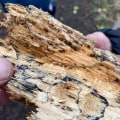
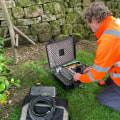
Tree inspections play a crucial role in ensuring the safety and health of both the trees themselves and the surrounding environment. Regular tree inspections allow property owners to identify potential risks that could lead to damage to nearby structures or power lines. By assessing the health of trees, professionals can detect issues such as disease, decay, or structural weaknesses that may not be immediately visible to the untrained eye. Understanding the importance of tree inspection goes beyond mere aesthetics; it is about safeguarding lives and property. Trees that are not properly maintained can pose significant hazards, especially during severe weather events.
For instance, a weakened tree branch can break off and fall onto a house or power line, causing extensive damage and potentially leading to dangerous situations. Therefore, proactive inspections are essential for mitigating these risks. A comprehensive tree health assessment during an inspection involves evaluating various factors, including the tree's species, age, and overall condition. This information helps arborists make informed decisions about necessary maintenance or removal. By prioritizing tree inspections, homeowners and businesses can not only protect their investments but also contribute to a safer community environment.
What is a Tree Inspection?
A tree inspection is a systematic evaluation of a tree's health, structure, and potential risks it may pose to nearby structures or power lines.This process is essential for maintaining safety in urban and suburban environments where trees coexist with human infrastructure.The tree inspection process typically involves several key steps:
- Visual Assessment: Inspectors begin with a thorough visual examination of the tree from the ground. They look for signs of disease, decay, or structural weaknesses such as cracks or dead branches.
- Measurement: Professionals may measure the tree's height, trunk diameter, and canopy spread to assess its overall health and stability.
- Root Inspection: If accessible, the root system is evaluated for signs of damage or disease, which can significantly affect the tree's stability.
- Risk Assessment: Inspectors analyze the tree's proximity to structures and power lines, identifying any potential hazards that could arise from falling branches or uprooting.
Identifying Risks to Nearby Structures
Tree inspections play a crucial role in identifying potential risks that trees may pose to nearby structures.Understanding the relationship between trees and buildings is essential for property owners, especially in urban areas where space is limited.
Root systems
are often the first concern when assessing tree health in relation to structures. As trees grow, their roots can extend far beyond the visible trunk, potentially invading foundations and causing structural damage. A thorough tree inspection will evaluate the root system's depth and spread, helping to determine if it poses a risk to nearby buildings.Another significant factor is the condition of the tree's branches. Overhanging branches can become hazardous during storms or high winds, leading to potential damage to roofs, windows, and power lines.Inspectors look for signs of weakness, such as dead or decaying branches, which may need to be pruned or removed to mitigate risks.Additionally, the overall health of the tree is a critical aspect of risk assessment. Trees that are diseased or infested with pests may be more susceptible to falling or losing branches. Regular inspections can help identify these issues early on, allowing for timely intervention before they escalate into serious problems.In summary, a comprehensive tree inspection not only assesses the health of the tree but also evaluates its potential impact on nearby structures. By identifying risks associated with root systems, branches, and overall tree health, property owners can take proactive measures to protect their investments and ensure safety in their surroundings.
Assessing Risks to Power Lines
Tree inspections play a crucial role in identifying potential risks that trees pose to power lines.As trees grow, their branches can extend into the vicinity of electrical infrastructure, leading to dangerous situations. Regular inspections help in assessing the health and structure of trees, allowing for proactive measures to be taken before any incidents occur.
Tree risks to power lines
can manifest in several ways:- Overhanging branches: Branches that grow too close to power lines can cause outages or even fires if they come into contact with live wires.
- Weak or diseased trees: Trees that are unhealthy or structurally compromised are more likely to fall during storms, posing a significant risk to nearby power lines.
- Root systems: The roots of large trees can interfere with underground power lines, leading to potential damage and service interruptions.
- Visual assessment: Inspectors look for signs of decay, disease, or structural weakness in trees located near power lines.
- Height measurement: Determining the height of trees in relation to the power lines helps assess the risk of branch contact during high winds or storms.
- Proximity evaluation: Inspectors measure the distance between tree branches and power lines to ensure compliance with safety regulations.
Signs That Indicate a Need for Tree Inspection
Recognizing the signs of tree problems is crucial for maintaining the health of your trees and ensuring the safety of nearby structures and power lines. Here are some key indicators that suggest a tree may need an inspection:- Dead or Dying Branches: If you notice branches that are brittle, lack leaves, or have fallen off, this could indicate that the tree is unhealthy.
- Cracks or Splits: Visible cracks in the trunk or large branches can be a sign of structural weakness, which may lead to failure during storms or high winds.
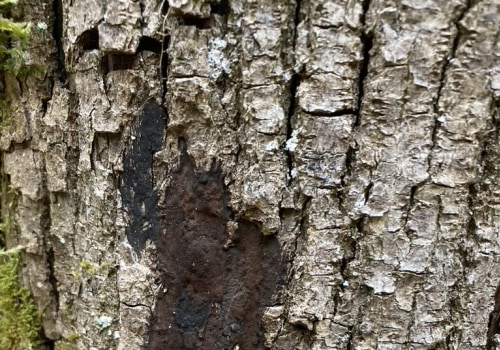
- Fungal Growth: The presence of mushrooms or other fungi at the base of a tree can indicate decay and internal rot, which compromises the tree's integrity.
- Leaning Trees: A tree that has suddenly started to lean may be unstable and at risk of falling, especially if it leans towards structures or power lines.
- Excessive Leaf Drop: If a tree is shedding leaves outside of its normal seasonal cycle, it may be stressed or diseased.
Regular inspections should be part of your property maintenance routine, especially after severe weather events. Additionally, if you observe any of the signs mentioned above, it’s wise to schedule an inspection promptly. Monitoring tree health indicators, such as bark condition and overall vigor, can help you catch potential issues early. A healthy tree typically has a full canopy and vibrant foliage. If you notice any deviations from this norm, it may warrant a closer look by a professional. By being proactive and vigilant about these signs, homeowners and property managers can mitigate risks associated with tree hazards and protect their properties effectively.
The Tree Inspection Process: What to Expect
A tree inspection is a systematic process that involves several steps to assess the health and stability of trees, particularly those near structures or power lines.Understanding what to expect during this process can help property owners prepare effectively.
1.Initial Assessment
- The inspection typically begins with a visual assessment from a distance. Professionals look for obvious signs of distress, such as dead branches, leaning trunks, or fungal growth.
- Inspectors will also evaluate the surrounding environment, noting any potential hazards like nearby structures or power lines that could be affected by tree failure.
2.Detailed Examination
- After the initial assessment, the inspector will conduct a closer examination of the tree. This may involve:
- Checking the trunk for cracks or decay.
- Examining the root system for signs of damage or disease.
- Assessing the canopy for overall health and vitality.
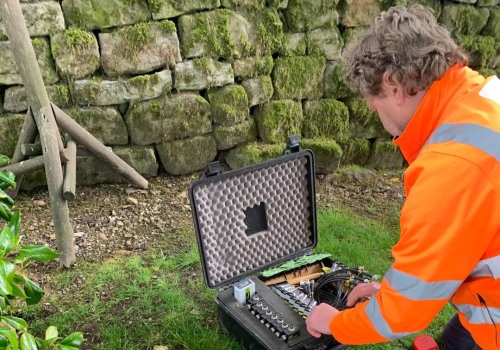
- Tools such as a clinometer may be used to measure tree height and lean, while resistographs can help detect internal decay.
3.Risk Evaluation
- The inspector will evaluate the risk posed by the tree to nearby structures and power lines. This includes:
- Identifying trees that are too close to power lines and may require trimming or removal.
- Assessing the likelihood of tree failure during storms or high winds.
- A comprehensive report will be generated, detailing findings and recommendations for any necessary actions.
4.Recommendations and Follow-Up
- Based on the inspection results, professionals will provide recommendations that may include:
- Regular maintenance practices such as pruning or cabling.
- Removal of hazardous trees that pose a significant risk to safety.
- A follow-up inspection schedule may also be suggested to monitor tree health over time.
Benefits of Regular Tree Inspections
Regular tree inspections are essential for maintaining the health and safety of your landscape.By identifying potential risks early, these inspections can significantly enhance safety for both people and property. Trees that are not regularly assessed may develop structural weaknesses or diseases that could lead to hazardous situations, such as falling branches or even entire trees collapsing.One of the primary benefits of conducting regular tree inspections is the preservation of property value. Well-maintained trees contribute to the aesthetic appeal of a property, which can be a major selling point. Conversely, neglected trees can detract from a property's value and create liability issues if they pose a risk to nearby structures or power lines.Additionally, regular inspections allow for proactive risk management.
By identifying issues such as decay, pest infestations, or root problems, property owners can take corrective actions before these issues escalate into more significant problems. This not only protects your investment but also ensures the longevity of your trees.
Key Benefits of Regular Tree Inspections:
- Enhanced Safety: Reduces the risk of accidents caused by falling branches or trees.
- Property Value Preservation: Maintains the aesthetic and financial value of your property.
- Proactive Risk Management: Identifies potential hazards before they become serious issues.
- Improved Tree Health: Ensures that trees receive necessary care and maintenance.
Frequently Asked Questions about Tree Inspections
When considering a tree inspection, many homeowners and property managers have questions about the process and its benefits. Here are some frequently asked questions that can help clarify the importance of tree inspections.What is a tree inspection?
A tree inspection is a thorough evaluation of a tree's health, structure, and potential risks it may pose to nearby structures, power lines, or people.Certified arborists typically conduct these inspections to assess factors such as disease, pest infestations, and structural integrity.
Why should I have my trees inspected?
- Preventative Maintenance: Regular inspections can identify issues before they become serious problems, helping to avoid costly repairs or damage.
- Safety: Trees that are unhealthy or structurally compromised can pose significant risks to nearby structures and individuals.
- Compliance: Some municipalities require tree inspections to ensure compliance with local regulations regarding tree maintenance.
How often should I schedule a tree inspection?
The frequency of tree inspections depends on various factors, including the age and species of the tree, its location, and environmental conditions. Generally, it is advisable to have trees inspected at least once a year, with more frequent checks for older or larger trees.What happens during a tree inspection?
During a tree inspection, an arborist will evaluate the tree's overall health by examining its leaves, bark, and root system. They will also look for signs of disease or pest infestations and assess the tree's structural stability. This comprehensive assessment helps determine if any action is needed.Can I perform a tree inspection myself?
While homeowners can conduct basic visual checks for obvious signs of distress, such as dead branches or unusual growth patterns, it is best to hire a certified arborist for a thorough evaluation.Professionals have the training and tools necessary to identify less visible issues that could lead to significant risks.If you have more questions about tree inspections, consider reaching out to a local arborist who can provide expert advice tailored to your specific situation.
Conclusion: Ensuring Safety Through Tree Inspections
In conclusion, tree inspections play a crucial role in maintaining safety and mitigating risks associated with nearby structures and power lines. Regular assessments by certified arborists can identify potential hazards such as dead branches, root decay, or structural weaknesses that may pose a threat to both property and public safety.By prioritizing tree inspections, property owners can:- Prevent Damage: Early detection of issues allows for timely intervention, reducing the likelihood of falling branches or uprooted trees that could damage homes, vehicles, or infrastructure.
- Avoid Power Outages: Trees that encroach on power lines can lead to outages during storms or high winds. Regular inspections help ensure that trees are trimmed and maintained at a safe distance from electrical infrastructure.
- Enhance Aesthetic Value: Healthy trees contribute to the beauty of a landscape. Inspections can help maintain tree health, ensuring they remain vibrant and visually appealing.
For instance, certain species may be more prone to disease or structural failure, making them higher priorities for inspection.Ultimately, investing in regular tree inspections not only protects your property but also contributes to the overall safety of the community. By taking proactive measures, you can ensure that your trees remain healthy and safe while minimizing potential hazards to nearby structures and power lines.