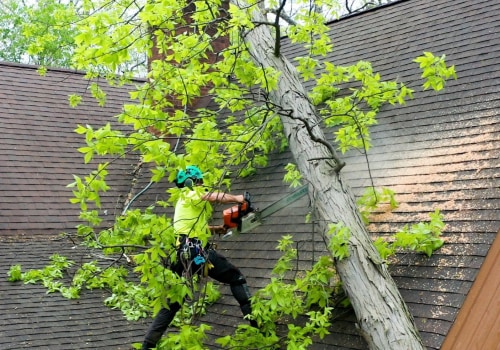
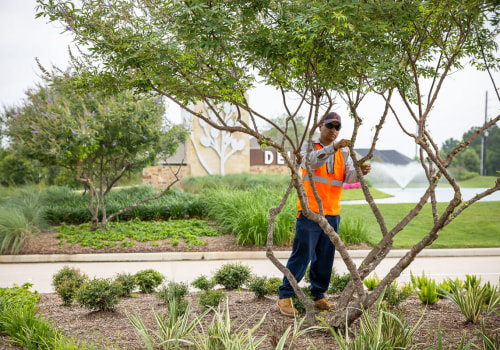
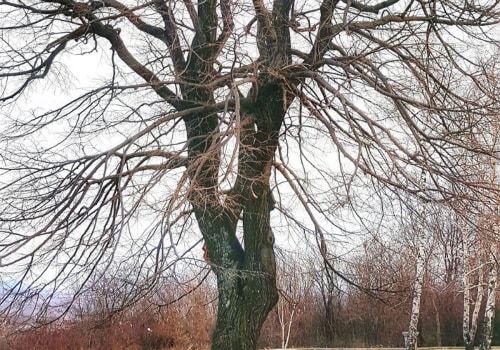
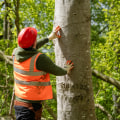
Tree inspections are a vital practice in maintaining the health and longevity of trees, particularly in urban and suburban environments where they face numerous stressors. A tree inspection involves a thorough examination of a tree's structure, health, and overall condition, allowing arborists to identify potential issues before they escalate. This proactive approach not only enhances the aesthetic appeal of landscapes but also plays a crucial role in preventing pest infestations that can threaten tree vitality. Understanding what a tree inspection entails is essential for property owners and landscapers alike. During an inspection, professionals assess various factors such as the tree's growth patterns, signs of disease, and any visible damage to the bark or branches.
They also look for indicators of pest activity, such as holes in the wood or unusual leaf discoloration. By recognizing these signs early on, effective management strategies can be implemented to mitigate risks associated with pests. The importance of regular tree inspections cannot be overstated. Not only do they help in identifying existing problems, but they also provide insights into the overall health of the ecosystem surrounding the trees. Healthy trees are less susceptible to pest invasions, making inspections a key component in integrated pest management strategies.
By investing time and resources into routine inspections, property owners can ensure their trees remain robust and resilient against pests, ultimately contributing to a healthier environment.
The Connection Between Tree Health and Pest Infestations
Maintaining tree health is crucial for preventing pest infestations. Trees that are stressed or unhealthy become prime targets for various pests, which can lead to significant damage if not addressed promptly. Regular tree inspections play a vital role in identifying early signs of distress, allowing for timely intervention.How Pests Affect Trees
- Weakened Structure: Pests such as bark beetles and wood borers can compromise the structural integrity of trees, making them more susceptible to breakage during storms.
- Nutrient Depletion: Insects like aphids and scale insects feed on tree sap, robbing the tree of essential nutrients and leading to stunted growth.
- Disease Transmission: Many pests are vectors for diseases that can spread rapidly among trees, further exacerbating health issues.
For instance, if an arborist discovers early signs of aphid activity, they can recommend treatments that may include insecticidal soaps or natural predators before the population grows uncontrollably.Moreover, healthy trees are better equipped to fend off pests. A robust tree can produce more resin or other natural defenses that deter insects. Therefore, regular inspections not only help in managing existing pest problems but also contribute to the overall vitality of the tree, enhancing its resilience against future infestations.In conclusion, the connection between tree health and pest infestations is undeniable. By prioritizing regular tree inspections, homeowners and property managers can safeguard their trees from pests and ensure they remain healthy and thriving.
Key Indicators of Pest Problems During Tree Inspections
During a tree inspection, identifying the signs of pest problems is crucial for effective management and control.Inspectors look for various indicators that can signal the presence of pests, which can help in taking timely action to protect the health of the tree.
- Visible Damage: One of the first signs of pest infestation is visible damage to the tree's bark, leaves, or branches. Look for chewed leaves, gouges in the bark, or dead branches. These can indicate that pests are actively feeding on the tree.
- Excrement and Frass: The presence of insect droppings, known as frass, is another clear indicator of pest activity. This material can often be found at the base of the tree or near entry points where pests have burrowed into the wood.
- Holes and Entry Points: Small holes in the bark or wood can suggest that wood-boring insects, such as beetles, are present.
Inspectors will look for these entry points as they often lead to more significant internal damage.
- Discoloration and Wilting: Leaves that are discolored, wilting, or dropping prematurely may indicate stress caused by pests. This can be a sign of sap-sucking insects like aphids or spider mites that weaken the tree by extracting vital nutrients.
- Webbing and Nesting: The presence of webbing on branches or nests in the foliage can indicate infestations by spiders or caterpillars. These pests can cause significant harm if not addressed promptly.
Common Pests Detected Through Tree Inspections
Tree inspections play a crucial role in identifying common tree pests that can threaten the health of your trees.By detecting these pests early, you can implement effective pest control methods to mitigate damage and preserve your landscape.Some of the most prevalent pests found during tree inspections include:
- Emerald Ash Borer: This invasive beetle targets ash trees, causing significant decline and mortality. Signs of infestation include dieback in the canopy and distinct D-shaped exit holes.
- Gypsy Moth: Known for defoliating a wide range of trees, gypsy moth caterpillars can severely weaken trees. Look for webbing and caterpillar droppings on the foliage.
- Spider Mites: These tiny pests thrive in hot, dry conditions and can cause leaf discoloration and stippling. Regular inspections can help identify their presence before they cause extensive damage.
- Aphids: These small, soft-bodied insects feed on tree sap, leading to stunted growth and potential disease transmission.
Look for clusters on new growth or the presence of sooty mold.
- Cultural Control: Maintain tree health through proper watering, mulching, and pruning to reduce stress and susceptibility to pests.
- Biological Control: Introduce natural predators, such as ladybugs for aphid control, to help manage pest populations without chemicals.
- Pesticides: In cases of severe infestation, targeted pesticide applications may be necessary. Always consult with a professional arborist to choose the right product and application method.
The Process of Conducting a Tree Inspection
Conducting a tree inspection is a crucial step in maintaining the health of your trees and preventing pest infestations. This process can be performed by professionals or by homeowners who want to take a proactive approach.Here’s a step-by-step guide on how to conduct a thorough tree inspection.
- Gather Necessary Tools: Before starting, ensure you have the right tools. A pair of gloves, pruning shears, a magnifying glass, and a notebook for observations can be very helpful.
- Visual Assessment: Begin with a visual inspection from a distance. Look for any obvious signs of distress such as wilting leaves, dead branches, or unusual growth patterns.
- Examine the Trunk: Move closer to the tree and inspect the trunk for cracks, holes, or signs of decay. These can indicate pest activity or disease.
- Check the Foliage: Examine the leaves for discoloration, spots, or holes.
These symptoms can signal pest infestations or nutrient deficiencies.
- Inspect the Roots: If possible, check the root zone for any signs of damage or rot. Healthy roots are essential for tree stability and nutrient uptake.
- Look for Pests: Use your magnifying glass to closely inspect areas where pests might hide, such as leaf undersides and bark crevices. Common pests include aphids, spider mites, and borers.
- Document Findings: Take notes on your observations. This documentation will be valuable if you need to consult with a professional later.
They have the expertise to conduct a more detailed analysis and recommend appropriate pest control measures. Professional tree inspections often include advanced techniques such as soil testing and aerial assessments that can uncover issues not visible to the untrained eye.In summary, regular tree inspections empower homeowners to identify potential problems early on. By understanding how to conduct these inspections effectively, you can play an active role in maintaining your trees' health and preventing pest-related issues.
Integrating Tree Inspections into Pest Management Plans
Integrating tree inspections into your pest management plans is essential for maintaining the health and longevity of your trees. Regular inspections allow for early detection of pest infestations, which can significantly reduce the need for more aggressive pest control measures later on.When developing a comprehensive pest management plan, consider the following strategies:- Routine Inspections: Schedule regular tree inspections, ideally at least twice a year, to monitor for signs of pests or disease.
This proactive approach helps identify issues before they escalate.
- Documentation: Keep detailed records of each inspection, noting any signs of pest activity, tree health, and environmental conditions. This data can inform future management decisions and strategies.
- Integrated Pest Management (IPM): Incorporate tree inspections into an IPM framework that combines biological, cultural, and chemical control methods. This holistic approach minimizes environmental impact while effectively managing pests.
- Collaboration with Professionals: Work with certified arborists or pest management professionals who can provide expert insights during inspections. Their expertise can enhance your understanding of potential threats and appropriate responses.
This long-term strategy ensures that your trees remain resilient against pests and diseases, ultimately contributing to a thriving landscape.
FAQs About Tree Inspections and Pest Control
Tree inspections play a crucial role in maintaining the health of your trees and managing pest issues effectively. Here are some frequently asked questions regarding tree inspections and their impact on pest control:- What is a tree inspection? A tree inspection involves a thorough examination of a tree's health, structure, and potential pest infestations. Certified arborists assess various factors, including the tree's leaves, bark, and root system, to identify any signs of disease or pest activity.
- How often should I have my trees inspected? It is recommended to have your trees inspected at least once a year, especially if they are older or have previously shown signs of pest problems. Regular inspections can help catch issues early before they escalate.
- What pests can be detected during a tree inspection? Common pests that can be identified during an inspection include aphids, spider mites, borers, and scale insects.
Early detection allows for timely intervention and treatment.
- Can tree inspections prevent pest infestations? While tree inspections cannot guarantee that pests will not invade your trees, they significantly reduce the risk by identifying vulnerabilities and allowing for proactive measures to be taken.
- What should I do if pests are found during an inspection? If pests are detected, consult with a professional arborist or pest control expert to determine the best course of action. This may include treatments such as insecticidal sprays or introducing beneficial insects.
Conclusion: The Importance of Regular Tree Inspections for Pest Management
In conclusion, regular tree inspections play a crucial role in effective pest control and management. By identifying potential issues early, property owners can take proactive measures to protect their trees and surrounding landscapes from pest infestations. During a tree inspection, trained professionals can assess the health of trees, looking for signs of pest activity such as:- Discoloration of leaves
- Unusual growth patterns
- Presence of holes or tunnels in the bark
- Sticky residue on leaves or branches
- Timely intervention: Early detection means that treatments can be applied before infestations escalate.
- Informed decisions: Understanding the specific pests affecting your trees enables targeted management strategies.
- Long-term health: Maintaining tree health through inspections contributes to a more resilient landscape.
By prioritizing these assessments, you ensure that your trees remain vibrant and free from pest-related issues, contributing to a thriving ecosystem.