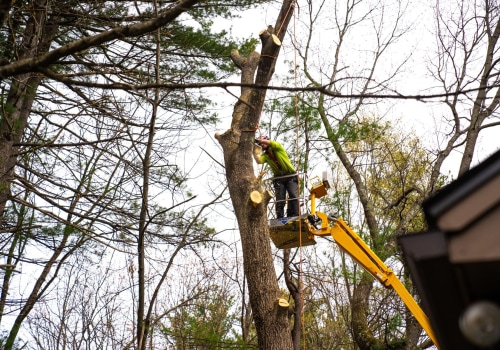
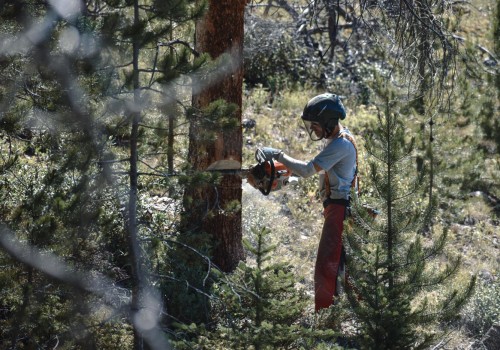
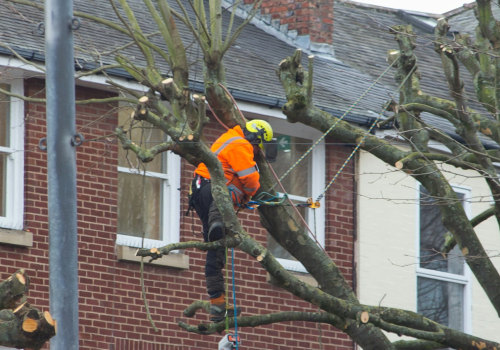
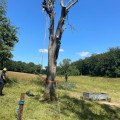
Tree inspections are a vital practice for maintaining the health and safety of trees in both urban and rural environments. These assessments involve a thorough examination of a tree's structure, health, and overall condition, allowing arborists to identify potential issues before they escalate into serious problems. Regular tree inspections not only help in preserving the aesthetic value of landscapes but also play a crucial role in preventing hazards that could arise from diseased or damaged trees. Understanding what a tree inspection entails is essential for property owners and tree enthusiasts alike. During an inspection, professionals look for signs of disease, structural weaknesses, and the presence of pests that may compromise the tree's integrity.
This proactive approach ensures that any necessary interventions can be made promptly, safeguarding both the trees and the people who enjoy them. The importance of these inspections cannot be overstated. Healthy trees contribute to biodiversity, improve air quality, and enhance property values. Conversely, neglected trees can become breeding grounds for pests and diseases that threaten not only their survival but also the surrounding ecosystem. By prioritizing regular tree inspections, we can foster healthier environments and mitigate risks associated with tree-related incidents.
Common Pests Found During Tree Inspections
During a tree inspection, identifying common pests is crucial for maintaining the health of trees.Various insects and diseases can significantly impact tree vitality, leading to long-term damage if not addressed promptly. Here are some of the most frequently encountered pests:
- Emerald Ash Borer (Agrilus planipennis) : This invasive beetle targets ash trees, causing significant decline and mortality. Signs of infestation include dieback in the canopy and distinctive D-shaped exit holes in the bark.
- Gypsy Moth (Lymantria dispar) : Known for its voracious appetite, the gypsy moth caterpillar feeds on the leaves of various trees, leading to defoliation. Heavy infestations can weaken trees, making them more susceptible to disease.
- Spider Mites (Tetranychus spp.) : These tiny pests thrive in hot, dry conditions and can cause stippling on leaves.
Affected trees may exhibit yellowing foliage and webbing, indicating a severe infestation.
- Scale Insects : These pests attach themselves to tree bark and suck sap, which can lead to yellowing leaves and stunted growth. They often produce a sticky substance known as honeydew, attracting other pests like ants.
- Wood Borers : Various species of wood borers can damage trees by tunneling through the wood. Look for signs such as frass (wood dust) around entry holes, which indicate active infestations.
Regular inspections not only help in identifying these pests but also in assessing overall tree condition, ensuring that any potential threats are addressed before they escalate.
Insects That Affect Trees
When conducting a tree inspection, it is crucial to identify the various insects affecting trees. These pests can cause significant damage if left unchecked. Below are some of the most common tree insect pests, along with their life cycles, signs of infestation, and the damage they can inflict.- Emerald Ash Borer (Agrilus planipennis)
- Life Cycle: This invasive beetle has a life cycle that lasts about one year. Adults emerge in late spring, mate, and lay eggs on ash trees.
- Signs of Infestation: Look for D-shaped exit holes in the bark and serpentine galleries beneath the bark.
- Damage: The larvae feed on the inner bark, disrupting the tree's ability to transport nutrients and water, often leading to tree death.
- Gypsy Moth (Lymantria dispar)
- Life Cycle: The gypsy moth undergoes several larval stages before pupating.
They are most destructive in their caterpillar stage.
- Signs of Infestation: Defoliation of trees is a primary indicator, along with the presence of caterpillars and silk webs.
- Damage: Heavy feeding can weaken trees, making them more susceptible to disease and other pests.
- Life Cycle: The gypsy moth undergoes several larval stages before pupating.
- Spider Mites (Tetranychus spp.)
- Life Cycle: Spider mites reproduce quickly, with several generations occurring in a single growing season.
- Signs of Infestation: Look for stippling on leaves, webbing on branches, and a general decline in tree vigor.
- Damage: These tiny pests suck sap from leaves, leading to yellowing and premature leaf drop.
Diseases Caused by Pests
During a tree inspection, it is crucial to identify not only the presence of pests but also the diseases they may introduce or exacerbate. Pests can weaken trees, making them more susceptible to various diseases that can threaten their health and longevity.Common Tree Diseases Linked to Pests
- Oak Wilt: This disease is often spread by sap-feeding insects like red oak borers. The fungus disrupts the tree's water transport system, leading to rapid decline.
- Dutch Elm Disease: Carried by the elm bark beetle, this disease causes wilting and yellowing of leaves, ultimately leading to tree death.
- Powdery Mildew: While not directly caused by pests, infestations of aphids can lead to increased humidity around the tree, promoting this fungal disease.
- Fire Blight: This bacterial disease can be exacerbated by the feeding habits of certain insects, such as leafhoppers, which create wounds that allow bacteria to enter.
Early detection during a tree inspection is vital for effective management. Inspectors should look for signs of pest activity, such as holes in the bark or frass (insect droppings), which can indicate underlying issues.Moreover, understanding how pests affect tree health is essential for maintaining a healthy landscape. For instance, weakened trees are more prone to secondary infections and stress from environmental factors. Regular inspections can help identify both pests and the diseases they may cause, allowing for timely intervention and treatment.
Signs of Pest Infestation in Trees
Identifying pest damage during a tree inspection is crucial for maintaining the health of your trees.Various signs can indicate the presence of pests, and recognizing these early can prevent more severe damage. One of the most common signs of pest infestation is the presence of holes in the bark or leaves. These holes can be caused by insects such as borers, which tunnel into the tree, or by leafcutter ants that remove pieces of foliage. Additionally, you may notice discoloration or wilting of leaves, which can indicate that pests are feeding on the tree's nutrients.Common Symptoms of Pest Infestation:
- Sticky residue: If you notice a sticky substance on leaves or branches, it could be honeydew produced by aphids or scale insects.
- Webbing: The presence of silk webs can indicate spider mites or caterpillars, which can severely damage foliage.
- Frass: Small piles of sawdust-like material at the base of a tree may suggest wood-boring insects are active within the trunk.
- Leaf drop: An unusual amount of leaf drop, especially in the growing season, can signal stress from pest activity.
Furthermore, if you observe any signs of fungal growth , such as mushrooms at the base of the tree, it could indicate that pests have compromised its health. If you suspect a pest infestation based on these signs, it’s essential to take action promptly. Early detection and intervention can save your trees from significant damage and ensure they remain healthy and vibrant.
Preventative Measures for Tree Health
Maintaining the health of your trees is crucial for preventing pest infestations. Regular tree inspections play a vital role in identifying potential issues before they escalate. Here are some effective preventative measures to ensure your trees remain healthy and resilient against pests:- Regular Inspections: Schedule routine inspections at least once a year, or more frequently if your area is prone to specific pests.
Look for signs of damage, such as discolored leaves or unusual growth patterns.
- Proper Pruning: Trim dead or diseased branches to improve air circulation and sunlight penetration. This not only promotes healthy growth but also reduces the habitat for pests.
- Soil Health: Ensure that the soil around your trees is well-aerated and nutrient-rich. Healthy soil supports strong root systems, making trees less susceptible to pest attacks.
- Watering Practices: Water your trees appropriately, especially during dry spells. Overwatering can lead to root rot, while underwatering can stress the tree, making it more vulnerable to pests.
- Pest Barriers: Consider using physical barriers like tree wraps or netting to protect young trees from insect infestations and animal damage.
- Beneficial Insects: Encourage natural predators of common tree pests by planting a diverse range of flora.
Ladybugs and lacewings can help control aphid populations, for example.
Frequently Asked Questions About Tree Inspections and Pests
When it comes to tree inspections, many homeowners have questions about the types of pests that can affect their trees. Understanding these pests is crucial for effective management and maintaining the health of your trees.What are some common pests found during a tree inspection?
- Termites: These wood-destroying insects can cause significant damage to trees, particularly those that are already weakened or dying.
- Aphids: Small, sap-sucking insects that can lead to leaf curling and stunted growth. They often attract ants and can produce a sticky substance known as honeydew.
- Spider Mites: These tiny pests thrive in dry conditions and can cause yellowing leaves and webbing on branches.
- Scale Insects: These pests attach themselves to tree bark and suck sap, leading to weakened trees and potential dieback.
- Borers: Insects like the emerald ash borer can tunnel into the wood, disrupting nutrient flow and ultimately killing the tree.
How can I identify if my tree has a pest problem?
Look for signs such as:- Discoloration of leaves or bark
- Unusual growths or deformities on branches
- Sawdust or frass at the base of the tree
- Visible insects on leaves or bark
Early detection is key to preventing further damage and ensuring the longevity of your trees.
Conclusion: The Importance of Regular Tree Inspections
In conclusion, regular tree inspections are essential for maintaining the health and longevity of your trees. By identifying potential issues early, such as pest infestations, you can take proactive measures to protect your trees and your property.During a tree inspection, it is crucial to look for signs of common pests that can cause significant damage if left unchecked. Some of these pests include:- Emerald Ash Borer: This invasive beetle targets ash trees and can lead to their rapid decline.
- Gypsy Moth: Known for defoliating trees, gypsy moth caterpillars can weaken trees and make them more susceptible to disease.
- Spider Mites: These tiny pests can cause leaf discoloration and webbing, leading to reduced photosynthesis.
- Scale Insects: Often found on the bark or leaves, scale insects suck sap from trees, weakening them over time.
- Termites: While primarily known for damaging wood structures, termites can also affect trees, especially those that are already weakened.
This proactive approach not only preserves the beauty of your property but also contributes to a healthier ecosystem.In summary, prioritizing tree inspections is a vital step in effective tree care. It empowers you to act swiftly against pests and ensures that your trees remain robust and thriving for years to come.