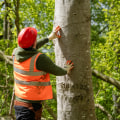
Tree inspections are a vital practice in the realm of tree health assessment, serving as a proactive measure to identify potential issues before they escalate into serious problems. A tree inspection involves a thorough examination of a tree's structure, foliage, and overall condition, allowing arborists to detect signs of disease, pest infestations, or environmental stressors. By understanding what a tree inspection entails, property owners can appreciate its significance in maintaining the vitality of their trees. The importance of tree inspections cannot be overstated. Regular assessments not only help in identifying existing health issues but also play a crucial role in preventing future diseases.
Trees are susceptible to various ailments that can compromise their health and stability, and early detection through inspections can lead to timely interventions. This proactive approach not only enhances the longevity of the trees but also contributes to the overall health of the surrounding ecosystem. Moreover, a comprehensive tree health assessment during an inspection can provide valuable insights into the specific needs of each tree. Factors such as soil quality, water availability, and sunlight exposure are evaluated to ensure that trees receive optimal care. By investing in regular tree inspections, homeowners and land managers can foster a healthier environment for their trees, ultimately leading to more robust growth and resilience against diseases.
The Role of Tree Inspections in Disease Prevention
Regular tree inspections play a crucial role in the early detection and prevention of tree diseases.By identifying potential issues before they escalate, property owners can take proactive measures to protect their trees and surrounding landscapes.During a tree inspection, certified arborists look for various signs of disease, including:
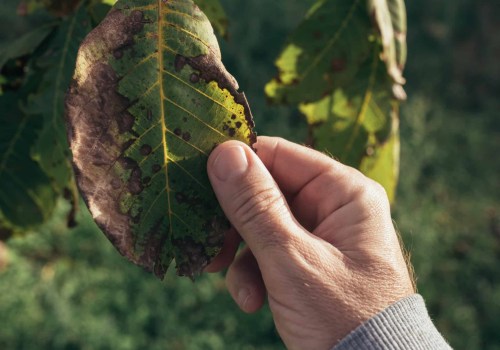
- Discoloration of leaves: Yellowing or browning leaves can indicate nutrient deficiencies or disease.
- Unusual growths: Galls, cankers, or fungal growths on the bark may signal underlying health issues.
- Pest infestations: Insects can weaken trees and introduce pathogens, making inspections vital for early intervention.
- Wilting or drooping branches: This can be a sign of root rot or other serious conditions.
- Oak wilt: A deadly fungal disease that can quickly kill oak trees if not addressed promptly.
- Dutch elm disease: This disease affects elm trees and is spread by bark beetles; early detection is key to managing its impact.
- Powdery mildew: A fungal infection that can weaken trees and reduce their aesthetic value.
Common Tree Diseases Detected During Inspections
Tree inspections play a crucial role in identifying common tree diseases that can threaten the health of your trees. Early detection is key to effective treatment and prevention, allowing for timely intervention before diseases spread. Here are some of the most prevalent tree diseases that can be detected during inspections:- Oak Wilt: This fungal disease affects oak trees and is characterized by wilting leaves, which may turn brown and fall prematurely.
Inspectors look for signs of leaf discoloration and fungal mats beneath the bark.
- Powdery Mildew: A common fungal infection, powdery mildew appears as a white, powdery substance on leaves. It thrives in warm, dry conditions and can weaken trees by reducing photosynthesis.
- Anthracnose: This disease affects various tree species, causing dark, sunken lesions on leaves and stems. Symptoms include leaf drop and twig dieback, which can severely impact tree vigor if not addressed.
- Root Rot: Often caused by overwatering or poor drainage, root rot leads to yellowing leaves and stunted growth. Inspectors check for mushy roots and signs of decay in the soil.
- Canker Diseases: These are localized infections that create sunken areas on the bark.
Cankers can girdle branches or trunks, leading to dieback. Symptoms include oozing sap and discolored bark.
They not only help in identifying existing problems but also play a significant role in ensuring the long-term health and vitality of your trees.
The Inspection Process: What to Expect
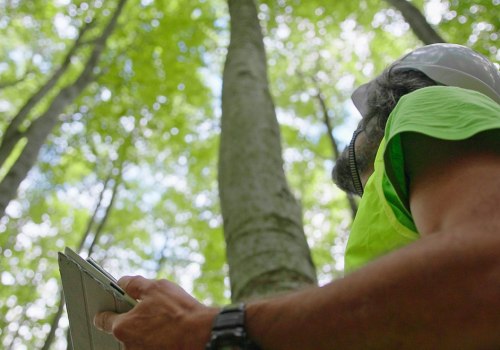
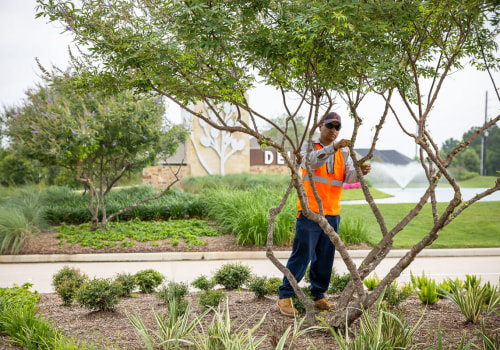
Understanding the tree inspection process is crucial for homeowners and property managers who want to maintain the health of their trees. A typical inspection begins with a visual assessment, where a certified arborist evaluates the tree's overall condition from the ground up.What Professionals Look For- Signs of Disease: Arborists look for symptoms such as discolored leaves, unusual growths, or signs of decay.
- Pests: The presence of insects or other pests can indicate underlying issues that may affect the tree's health.
- Structural Integrity: Inspectors assess the tree's structure, checking for cracks, splits, or weak branches that could pose a risk.
- Root Health: A healthy root system is vital; therefore, professionals may examine the soil around the base for compaction or disease.
- Pruning Shears: For removing small branches to get a better view of the tree's structure.
- Measuring Tape: To measure the tree's height and trunk diameter, which helps in assessing its age and health.
- Dendrometers: These devices measure tree growth over time, providing insights into its health trends.
- Borers: Used to take samples from the trunk to check for internal decay.
Treatment Options Following a Tree Inspection
Once a tree inspection reveals the presence of disease, it is crucial to explore various treatment options to restore the health of the affected tree.The choice of treatment often depends on the type of disease identified, the severity of the infection, and the overall health of the tree.
Chemical Treatments
Chemical treatments can be effective in managing tree diseases, especially when they are caught early. Here are some common chemical options:- Pesticides: These are used to combat insect infestations that may contribute to tree diseases. Systemic pesticides can be absorbed by the tree and provide long-lasting protection.
- Fungicides: If fungal infections are detected, fungicides can help eliminate the pathogens. It’s essential to apply these treatments according to label instructions for maximum effectiveness.
- Herbicides: In cases where invasive plant species threaten tree health, herbicides can be used to control their growth and reduce competition for resources.
Organic Treatments
For those who prefer a more natural approach, several organic treatments can also be effective:- Neem Oil: This natural pesticide is derived from the seeds of the neem tree and can help control a variety of pests and diseases.
- Baking Soda: A solution of baking soda and water can be sprayed on trees to combat certain fungal infections.
- Companion Planting: Introducing beneficial plants nearby can help deter pests and improve soil health, promoting overall tree vitality.
Preventive Measures
In addition to direct treatments, implementing preventive measures post-inspection is vital for long-term tree health:- Regular Inspections: Schedule routine inspections to catch any new issues early.
- Proper Pruning: Remove dead or diseased branches to prevent the spread of disease and improve air circulation.
- Nutrient Management: Ensure that trees receive adequate nutrients through fertilization and proper watering practices.
FAQs About Tree Inspections and Disease Management
When it comes to maintaining the health of your trees, tree inspections play a crucial role in disease prevention and treatment.Here are some frequently asked questions that can help clarify the importance of these inspections.
What is a tree inspection?
A tree inspection is a thorough evaluation of a tree's health, structure, and overall condition. Certified arborists assess various factors, including the tree's leaves, bark, roots, and surrounding environment, to identify any signs of disease or distress.How often should trees be inspected?
The frequency of tree inspections can vary based on several factors, including the tree species, age, and environmental conditions. Generally, it is recommended to have trees inspected at least once a year. However, trees that are older or located in high-stress environments may require more frequent evaluations.What are common signs that a tree needs inspection?
- Discoloration of leaves or bark
- Unusual growth patterns, such as excessive leaning or dead branches
- Pest infestations, visible holes, or webbing
- Fungal growth on the trunk or roots
- Changes in soil moisture around the tree base
Can tree inspections prevent diseases?
Yes! Regular tree inspections can significantly aid in disease prevention.By identifying potential issues early on, arborists can recommend appropriate treatments or interventions before diseases spread. This proactive approach not only helps maintain the health of individual trees but also protects the surrounding ecosystem.
What should I expect during a tree inspection?
During a typical tree inspection, an arborist will conduct a visual assessment and may use specialized tools to evaluate the tree's health more accurately. They will provide you with a detailed report outlining any findings and recommendations for care or treatment.If you have concerns about your trees' health, scheduling a professional tree inspection can be an invaluable step toward ensuring their longevity and vitality.Conclusion: The Value of Regular Tree Inspections
In conclusion, regular tree inspections play a crucial role in the health and longevity of trees. By identifying potential issues early, property owners can take proactive measures to prevent the spread of diseases that could compromise the structural integrity and aesthetic value of their trees.Throughout this article, we have explored how tree inspections serve as a vital tool for:- Early Detection: Spotting signs of disease or pest infestations before they escalate.
- Informed Treatment: Providing insights that guide appropriate treatment options tailored to specific issues.
- Enhanced Safety: Reducing the risk of falling branches or trees, which can pose hazards to people and property.
- Long-term Health: Ensuring that trees remain healthy and vibrant for years to come.
Trees are vital components of our ecosystem, providing shade, improving air quality, and supporting wildlife. By prioritizing their care through consistent inspections, we not only protect our investment but also enhance the overall quality of our surroundings.Ultimately, engaging with certified arborists for tree inspections ensures that your trees receive the expert attention they deserve. This proactive approach not only mitigates risks associated with tree diseases but also fosters a deeper appreciation for the natural beauty that trees bring into our lives.