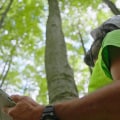
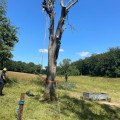
Maintaining the health of your trees is not just about aesthetics; it plays a crucial role in the overall ecosystem and can significantly enhance the value of your property.
Tree health
is influenced by various factors, including soil quality, water availability, and pest management. Regular tree inspection is essential for identifying potential issues before they escalate into serious problems. Homeowners and landscapers alike must be vigilant in recognizing the signs that indicate a tree may need fertilization or other treatments. Understanding the importance of tree care goes beyond simply keeping your landscape looking beautiful.Healthy trees contribute to cleaner air, provide shade, and support local wildlife. However, when trees show signs of distress—such as yellowing leaves, stunted growth, or unusual bark conditions—it can signal underlying issues that require immediate attention. By being proactive and knowledgeable about these indicators, you can ensure that your trees remain vibrant and resilient. In this article, we will explore common signs that suggest your trees may need additional care. From nutrient deficiencies to pest infestations, recognizing these symptoms early can make a significant difference in the longevity and health of your trees.
Whether you are a seasoned gardener or a new homeowner, understanding how to assess tree health is an invaluable skill that will benefit both your landscape and the environment.
Signs Your Tree May Need Fertilization
Recognizing the signs that your tree may need fertilization is crucial for maintaining its health and vitality. Here are some common indicators to look out for:- Yellowing Leaves: If the leaves of your tree are turning yellow, especially if this occurs in the spring or summer, it may indicate a nutrient deficiency. Nitrogen is often the culprit, as it is essential for healthy leaf development.
- Stunted Growth: Trees that are not growing as expected, or those that have stopped growing altogether, may require additional nutrients. If you notice minimal growth over a season, it could be time to consider fertilization.
- Poor Flowering or Fruiting: A tree that typically produces flowers or fruit but has failed to do so in recent years may be lacking essential nutrients.
This can be a sign that the tree needs a boost to support its reproductive processes.
- Thin Canopy: A sparse canopy with fewer leaves than usual can indicate that your tree is struggling to obtain the nutrients it needs. A healthy tree should have a full and vibrant canopy.
- Leaf Drop: If your tree is shedding leaves prematurely, it may be a sign of stress due to nutrient deficiencies. This is particularly concerning if it occurs outside of the normal seasonal cycle.
Common Symptoms of Nutrient Deficiencies
Understanding the nutrient deficiencies in trees is crucial for maintaining their health and vitality.Trees require a balanced supply of essential nutrients, and a lack of these can lead to various symptoms that indicate the need for fertilization or other treatments.
Nitrogen Deficiency
Nitrogen is vital for tree growth, as it plays a key role in the production of chlorophyll. A tree suffering from nitrogen deficiency may exhibit:- Pale or yellowing leaves, especially older leaves, which may indicate a lack of chlorophyll.
- Stunted growth, where the tree fails to reach its expected height or spread.
- Thin foliage, resulting in fewer leaves than normal, which can reduce the tree's ability to photosynthesize.
Phosphorus Deficiency
Phosphorus is essential for energy transfer and root development. Symptoms of phosphorus deficiency include:- Purple or dark green leaves, particularly on younger foliage, which can be a sign of inadequate phosphorus uptake.
- Delayed flowering or fruiting, as phosphorus is crucial for reproductive processes in trees.
- Weak root systems, leading to poor anchorage and increased susceptibility to environmental stress.
Potassium Deficiency
Potassium helps regulate various physiological processes within trees. Signs of potassium deficiency may manifest as:- Brown leaf edges or tips, indicating that the tree is unable to maintain proper water balance.
- Poor fruit quality, with smaller or less flavorful fruits due to inadequate nutrient support.
- Increased susceptibility to disease, as potassium plays a role in strengthening plant cell walls.
Environmental Factors Affecting Tree Health
Understanding the environmental factors that affect tree health is crucial for determining when a tree may need fertilization or other treatments.Several key elements play a significant role in the overall vitality of trees.Soil Quality The foundation of a tree's health lies in the quality of the soil it grows in. Healthy soil is rich in nutrients, has good drainage, and supports beneficial microorganisms. If the soil is compacted, lacks organic matter, or has an imbalanced pH level, trees may struggle to absorb essential nutrients. Signs of poor soil quality include:
- Stunted growth
- Pale or discolored leaves
- Increased susceptibility to pests and diseases
Both overwatering and underwatering can lead to stress, making trees more vulnerable to diseases and pests. Signs that a tree may be experiencing water-related stress include:
- Wilting or drooping leaves
- Leaf scorch or browning at the edges
- Excessive leaf drop
Trees may exhibit signs of climate stress such as:
- Delayed leaf emergence in spring
- Premature leaf drop in fall
- Unusual growth patterns
Pests and Diseases That May Require Treatment
Identifying pests and diseases is crucial for maintaining the health of your trees. Regular tree inspections can help you catch these issues early, preventing further damage. Here are some common signs that your tree may be suffering from infestations or infections:- Discoloration of Leaves: Yellowing or browning leaves can indicate stress from pests or diseases. For instance, aphids can cause leaves to curl and discolor.
- Unusual Growths: Galls, cankers, or fungal growths on the bark or leaves are often signs of disease.
These growths can weaken the tree and make it more susceptible to other issues.
- Visible Pests: Look for insects such as borers, scale, or spider mites. Their presence can often be seen on the bark or underside of leaves.
- Excessive Sap Production: If you notice a tree oozing sap, it may be a sign of an infestation, such as with bark beetles, which can compromise the tree's health.
- Wilting or Dropping Leaves: Trees that are infested may exhibit wilting leaves or premature leaf drop, indicating that they are under stress.
- Pest Damage: Look for holes in the bark or leaves, which can indicate feeding by insects. This damage can lead to further complications if not addressed promptly.
Consulting with a professional arborist can provide you with tailored solutions for pest control and disease management.
The Importance of Regular Tree Inspections
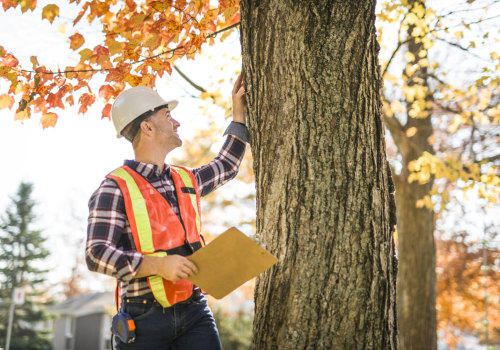
Regular tree inspections are crucial for maintaining the health and vitality of your trees. By conducting these inspections, you can identify potential issues before they escalate into serious problems. Trees, like any living organism, require attention and care to thrive, and a proactive approach can save you time and money in the long run.One of the primary benefits of regular tree inspections is the early detection of diseases and pests. Many tree ailments start subtly, often going unnoticed until they have caused significant damage.For instance, signs of nutrient deficiency, such as yellowing leaves or stunted growth, can be spotted during an inspection. Addressing these issues promptly with appropriate treatments, such as fertilization, can restore your tree's health.Additionally, tree inspections help in assessing the overall structure and stability of your trees. Look for signs of weak branches, cracks in the trunk, or unusual leaning. These indicators may suggest that a tree is at risk of falling or breaking during storms, posing a danger to nearby structures and people.To effectively inspect a tree, follow these steps:
- Visual Assessment: Start by examining the tree from a distance to get an overall view of its shape and health.
- Check the Leaves: Look for discoloration, spots, or wilting leaves that may indicate stress or disease.
- Inspect the Bark: Examine the bark for signs of damage, such as peeling or holes that could suggest pest infestations.
- Examine the Roots: If possible, check the root zone for signs of decay or disturbance that could affect stability.
- Consult an Arborist: If you notice any concerning signs, it’s wise to consult a professional arborist who can provide expert advice and treatment options.
By being vigilant and proactive, you can catch issues early and implement necessary treatments to keep your trees thriving.
When to Seek Professional Help for Tree Care
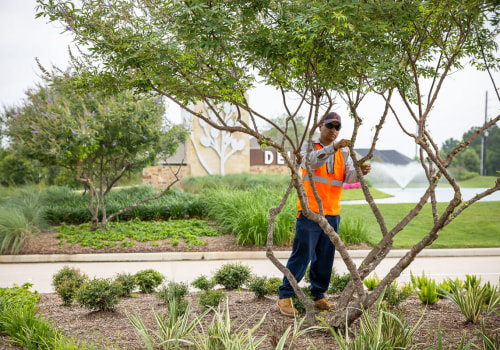
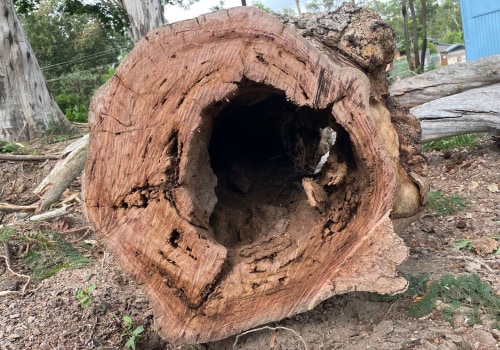
Understanding when to seek professional tree care services is crucial for maintaining the health and vitality of your trees. While some issues can be managed with DIY methods, certain signs indicate that it’s time to hire an arborist for expert assistance.- Visible Damage: If you notice significant damage such as large cracks, broken branches, or bark peeling away, it’s essential to consult a professional. These issues can compromise the tree's structural integrity.
- Pest Infestation: The presence of pests like borers or aphids can severely affect tree health. If you see signs of infestation, such as holes in the bark or sticky residue on leaves, a professional can provide targeted treatments.
- Discoloration of Leaves: Yellowing or browning leaves may indicate nutrient deficiencies or disease.
An arborist can conduct a thorough tree inspection to determine the underlying cause and recommend appropriate fertilization or treatment.
- Unusual Growth Patterns: If your tree is growing unevenly or has developed a lean, it may be a sign of root problems or instability. A professional can assess the situation and suggest corrective measures.
- Fungal Growth: The appearance of mushrooms or other fungi at the base of the tree can indicate decay. This is a serious issue that requires immediate attention from a tree care expert.
Remember, investing in professional tree care not only protects your trees but also adds value to your property.
FAQs About Tree Inspection and Care
When it comes to tree inspection, many homeowners have questions about how to identify when their trees may need fertilization or other treatments. Here are some common inquiries:What are the signs that my tree needs fertilization?
- Yellowing leaves: If the leaves of your tree are turning yellow, it may indicate a nutrient deficiency, often related to a lack of nitrogen.
- Poor growth: Trees that are not growing as expected or have stunted growth may require additional nutrients.
- Thin canopy: A sparse leaf canopy can suggest that the tree is struggling to obtain necessary nutrients from the soil.
- Leaf drop: Excessive leaf drop, especially in the growing season, can be a sign of stress due to nutrient deficiencies.
How often should I inspect my trees?
Regular tree inspections are essential for maintaining tree health. It is recommended to inspect your trees at least once a year, ideally in the spring or fall. During these inspections, look for signs of disease, pest infestations, and overall vitality.What treatments can I consider for my trees?
- Fertilization: Applying a balanced fertilizer can help replenish nutrients in the soil.
- Pest control: If pests are identified during an inspection, appropriate treatments should be applied promptly.
- Disease management: Consult with an arborist if you suspect your tree has a disease; they can recommend specific treatments.
Conclusion: Ensuring Your Trees Thrive
In conclusion, recognizing the signs that your trees may need fertilization or other treatments is crucial for their health and longevity.Regular tree inspections can help you identify these signs early, allowing for timely intervention and care. Some key indicators to watch for include:
- Yellowing Leaves: If the leaves of your tree are turning yellow, it may indicate a nutrient deficiency, often related to a lack of nitrogen.
- Stunted Growth: Trees that are not growing as expected may require additional nutrients or treatment to stimulate growth.
- Pest Infestations: The presence of pests can weaken a tree, making it more susceptible to disease and nutrient deficiencies.
- Fungal Growth: Fungi on the bark or soil can signal underlying health issues that need to be addressed.
- Leaf Drop: Excessive leaf drop, especially outside of the normal seasonal cycle, can indicate stress that may be alleviated through proper care.