Tree inspections are a crucial aspect of maintaining not only the aesthetic appeal of your landscape but also the health and safety of your property. Trees, while often seen as resilient and enduring, can develop structural issues that may pose significant risks if left unchecked. Regular inspections allow homeowners and property managers to identify potential problems early, ensuring that trees remain a safe and beautiful part of the environment. Understanding the importance of tree health goes beyond mere appearance; it encompasses the overall ecosystem in which these trees exist. Healthy trees contribute to air quality, provide shade, and support wildlife.
However, when structural issues arise—such as cracks in the trunk, dead branches, or root decay—their ability to thrive diminishes, leading to potential hazards. This is where a thorough tree inspection becomes invaluable. By recognizing the warning signs of structural issues during a tree inspection, you can take proactive measures to mitigate risks. Whether it’s through pruning, cabling, or even removal in extreme cases, addressing these concerns promptly can prevent accidents and preserve the integrity of your landscape. In the following sections, we will delve deeper into specific warning signs that indicate a tree may be suffering from structural problems, empowering you to make informed decisions about your trees' care.
Common Structural Issues in Trees
Understanding the common structural issues in trees is essential for maintaining their health and safety.Trees can develop various problems that may compromise their stability and longevity. Here are some of the most prevalent structural issues:
- Cavities and Decay: Cavities can form due to fungal infections or physical damage, leading to internal decay. This weakens the tree's structure and can make it more susceptible to falling.
- Cracks and Splits: Vertical cracks or splits in the trunk can indicate stress or disease. These fissures can weaken the tree's integrity, especially during storms.
- Weak Branch Unions: Trees with branches that grow at sharp angles or have included bark are prone to failure.
These weak unions can break under the weight of snow or during high winds.
- Root Problems: The health of a tree's roots is crucial for its stability. Compacted soil, root rot, or damage from construction can lead to inadequate anchorage, increasing the risk of toppling.
- Pest Infestations: Insects such as borers can weaken a tree by tunneling through its bark and wood. This damage can lead to structural instability over time.
If any of these warning signs are present, consulting a certified arborist is recommended to assess the tree's health and determine necessary actions.
Key Warning Signs of Structural Issues
Identifying warning signs of structural issues in trees is crucial for maintaining their health and safety. Regular tree inspections can help catch these problems early, preventing potential hazards. Here are some key indicators to watch for:- Cavities and Decay: Look for holes or soft spots in the trunk or branches. These cavities can indicate internal decay, weakening the tree's structure.
- Cracks and Splits: Vertical cracks or splits in the bark can signal stress or structural failure.
Pay attention to any widening cracks, as they may worsen over time.
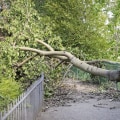
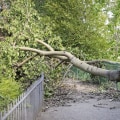
- Leaning Trees: A tree that leans significantly may have an unstable root system. This can be a sign of soil erosion or root damage, which compromises its stability.
- Dead or Dying Branches: If you notice a significant number of dead branches, it could indicate that the tree is unhealthy. This not only affects the tree's appearance but also its structural integrity.
- Fungal Growth: The presence of mushrooms or other fungi at the base of the tree can suggest root rot or decay. Fungi thrive on decaying wood, indicating that the tree may be compromised.
This checklist should include:
- Assessing the overall shape and symmetry of the tree.
- Checking for signs of insect infestations.
- Examining the root zone for any visible damage or upheaval.
Visual Indicators of Tree Health Problems
When it comes to tree inspection, recognizing the visual indicators of tree health problems is crucial for identifying potential structural issues. Trees can exhibit various signs that may suggest underlying problems, and being vigilant can help prevent further damage.Bark Condition
The bark of a tree serves as its protective layer, and any abnormalities can indicate serious health concerns. Look for the following signs:- Cracks or splits: Deep fissures in the bark can expose the inner wood to pests and diseases.
- Peeling or flaking: If the bark is coming off in large sections, it may be a sign of decay or insect infestation.
- Discoloration: Dark spots or unusual colors on the bark can indicate fungal infections or other diseases.
Leaf Discoloration
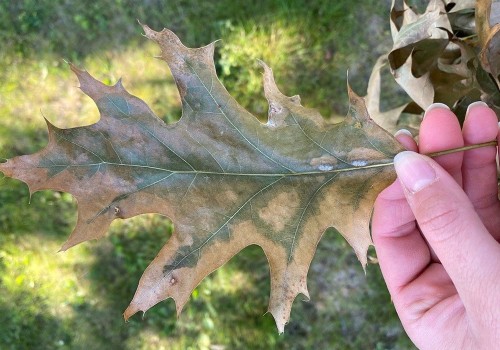
Leaves are often the first visible indicators of a tree's health. Changes in leaf color can signal various issues:- Yellowing leaves: This may indicate nutrient deficiencies, overwatering, or root problems.
- Browning edges: If the tips of leaves are turning brown, it could be a sign of drought stress or environmental factors affecting the tree.
- Early leaf drop: Trees that shed their leaves prematurely may be under stress from pests, diseases, or poor soil conditions.
Regular tree inspections focusing on these visual indicators can help identify structural issues early, allowing for timely intervention and care.
The Role of Tree Inspection Professionals
When it comes to maintaining the health and safety of your trees, tree inspection professionals play a crucial role. These experts are trained to identify potential issues that may not be visible to the untrained eye, ensuring that your trees remain healthy and safe for your property.Tree inspection services
typically include a thorough assessment of the tree's overall condition, including its structure, root system, and foliage. Professionals use specialized tools and techniques to evaluate the tree's health, looking for signs of disease, pest infestations, or structural weaknesses. This comprehensive approach allows them to provide accurate diagnoses and recommend appropriate treatments.One of the key benefits of hiring a professional for a tree assessment is their ability to spot early warning signs of structural issues.For instance, they can identify cracks in the trunk, dead branches, or unusual growth patterns that may indicate underlying problems. By addressing these issues early on, you can prevent more severe damage or even tree failure in the future.So, when should you consider hiring an arborist? It’s advisable to seek professional help if you notice any of the following:
- Visible cracks or splits in the trunk
- Leaning trees that may pose a risk to nearby structures
- Dead or dying branches that could fall
- Unusual growths or fungi at the base of the tree
- Changes in soil conditions around the tree
DIY Tree Inspection: What You Can Do
Conducting a DIY tree inspection can be a rewarding and essential part of home tree care. By regularly checking your trees, you can identify potential issues before they become serious problems.Here are some practical tips to help you inspect your trees effectively:
- Choose the Right Time: The best time for a tree inspection is during late winter or early spring when the trees are still dormant. This makes it easier to spot structural issues without the distraction of foliage.
- Look for Signs of Damage: Walk around your tree and examine the trunk for any cracks, splits, or wounds. Pay attention to areas where bark is missing or peeling, as these can indicate underlying problems.
- Check the Branches: Inspect the branches for dead or broken limbs. If you notice any that are hanging precariously or have significant dieback, they may need to be pruned or removed.
- Examine the Roots: Roots are crucial for a tree's stability.
Look for exposed roots, especially if the soil has eroded around them. Also, check for signs of root rot, such as a foul smell or mushy texture.
- Assess Tree Lean: A tree that leans significantly to one side may be at risk of falling. If you notice a lean, especially if it has developed recently, it’s important to consult a professional.
- Look for Fungal Growth: Fungi growing on the trunk or around the base of the tree can indicate decay. Keep an eye out for mushrooms or conks, which can signal internal rot.
If you encounter significant problems or are unsure about what you see, don’t hesitate to contact a certified arborist for further evaluation. Regular tree inspections not only help maintain the health of your trees but also ensure safety for your property and loved ones.
Frequently Asked Questions About Tree Inspections
When it comes to tree inspections, many homeowners have questions about the process and its importance. Here are some frequently asked questions that can help clarify the need for regular tree assessments.What is a tree inspection?
A tree inspection is a thorough evaluation of a tree's health and structural integrity. This process involves checking for signs of disease, pest infestations, and physical damage that could pose risks to the tree or surrounding property.How often should I inspect my trees?
- Annual Inspections: It is generally recommended to conduct a professional inspection at least once a year, especially for older or larger trees.
- After Severe Weather: Following storms or high winds, inspect your trees for any visible damage or instability.
- Signs of Distress: If you notice any changes in your tree's appearance, such as wilting leaves or unusual growth patterns, it’s wise to schedule an inspection.
What are common signs that my tree needs an inspection?
- Cracks or Splits: Visible cracks in the trunk or branches can indicate structural weakness.
- Dead Branches: If branches are dying or falling off, this may signal underlying health issues.
- Mushrooms or Fungi: The presence of fungi at the base of the tree can suggest decay.
- Leaning Trees: A tree that has suddenly started leaning may be unstable and require immediate attention.
If you have any concerns about your trees, don’t hesitate to consult with a certified arborist for a professional evaluation.
Conclusion: Ensuring Tree Health Through Regular Inspections
In conclusion, maintaining the health of your trees is crucial for both aesthetic and environmental reasons. Regular tree inspections play a vital role in identifying potential structural issues before they escalate into serious problems. By being proactive, you can ensure the longevity and vitality of your trees.Throughout this article, we have discussed various warning signs that indicate structural issues in trees, such as:- Cracks or splits in the trunk or branches
- Dead or dying branches that may pose a risk of falling
- Excessive leaning, which can indicate root problems
- Fungal growth, particularly at the base of the tree
- Discoloration of leaves or bark, signaling stress or disease
Trees that are well-maintained contribute to biodiversity, improve air quality, and provide shade and beauty to our landscapes.In summary, prioritizing regular tree inspections is essential for safeguarding your trees against structural issues. By doing so, you not only protect your investment but also contribute positively to the environment.