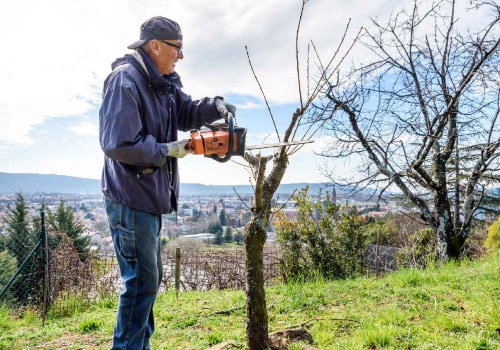
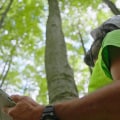
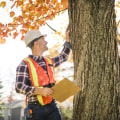
Tree inspections are a crucial aspect of maintaining the health and safety of trees in both urban and rural environments. These assessments involve a thorough examination of a tree's condition, identifying any signs of disease, damage, or structural weaknesses that could pose risks to people and property. Regular tree inspections not only help in preserving the aesthetic value of landscapes but also play a significant role in ensuring the longevity of trees. The importance of tree inspections cannot be overstated. Trees are living organisms that require ongoing care and attention.
Factors such as environmental stressors, pests, and diseases can affect their health over time. By conducting routine inspections, arborists can detect early warning signs that may indicate the need for pruning or even removal. This proactive approach helps mitigate potential hazards, such as falling branches or uprooted trees during storms. A comprehensive tree health assessment during an inspection involves evaluating various elements, including the tree's overall structure, root system, and foliage condition. Understanding these factors is essential for making informed decisions about whether a tree should be pruned to promote healthy growth or removed to prevent safety hazards.
As we delve deeper into the specifics of what influences these decisions, it becomes clear that a well-conducted tree inspection is foundational to effective tree management.
Signs of Tree Decline
When conducting a tree inspection, recognizing the signs of tree decline is essential for determining whether a tree should be removed or pruned. Several indicators can suggest that a tree is unhealthy or in distress.- Leaf Discoloration: One of the first signs of a declining tree is leaf discoloration. Healthy leaves are typically vibrant green, while yellowing or browning leaves may indicate nutrient deficiencies, disease, or environmental stress.
- Dead Branches: The presence of dead or dying branches is another critical sign. If a significant portion of the tree's branches are dead, it may be a sign that the tree is struggling to thrive.
Regularly inspect for branches that lack foliage or have brittle, dry wood.
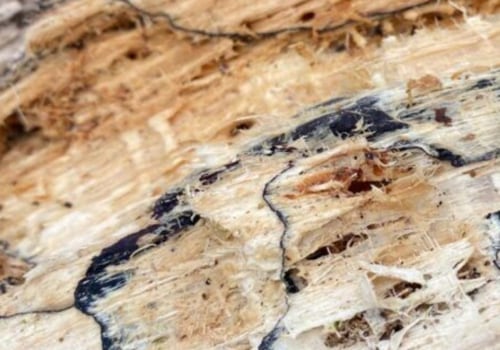
- Fungal Growth: Fungi can be both a symptom and a cause of tree decline. The appearance of mushrooms or conks at the base of the tree or on its trunk can indicate internal decay. This fungal growth often suggests that the tree's structural integrity is compromised.
- Cracks and Cankers: Look for cracks in the bark or cankers on the trunk. These physical damages can expose the tree to pests and diseases, further exacerbating its decline.
- Pest Infestation: An increase in pest activity, such as holes in leaves or visible insects on branches, can signal that a tree is under stress.
Pests often target weakened trees, making it crucial to address any infestations promptly.
Structural Integrity Assessment
Assessing a tree's structural integrity is crucial during a tree inspection, as it helps determine whether the tree can be safely pruned or if it poses a risk of falling. A thorough evaluation involves examining both the trunk and branches for signs of weakness or instability.Evaluating Trunk Strength
The trunk is the backbone of the tree, and its strength is vital for overall stability. Look for:- Cracks or splits: Vertical cracks can indicate internal decay or structural weakness.
- Decay: Soft spots or fungal growth at the base may suggest rot, compromising the trunk's integrity.
- Lean: A noticeable lean can signal that the tree is unstable, especially if it leans towards structures or pathways.
Assessing Branch Stability
Branches are often the first to show signs of distress.During your inspection, pay attention to:
- Weak branches: Look for branches that are excessively thin, have deadwood, or show signs of disease.
- Crown density: A sparse crown may indicate that the tree is struggling to maintain its health, which can affect branch stability.
- Crossing branches: Branches that rub against each other can create wounds, leading to potential breakage.
Environmental Factors Influencing Tree Health
When conducting a tree inspection, understanding the environmental factors that influence tree health is crucial. These factors can significantly impact whether a tree should be pruned or removed.Soil Quality
The quality of the soil in which a tree is planted plays a vital role in its overall health.Trees require adequate nutrients, drainage, and aeration to thrive. Poor soil quality can lead to:
- Nutrient Deficiency: Trees may exhibit stunted growth or yellowing leaves if essential nutrients are lacking.
- Poor Drainage: Waterlogged soil can cause root rot, making the tree unstable and more susceptible to disease.
- Compaction: Compacted soil restricts root growth and limits access to water and nutrients.
Water Availability
Water is another critical factor affecting tree health. Insufficient or excessive water can lead to various issues:- Drought Stress: Trees that do not receive enough water may become weak and more prone to pests and diseases.
- Overwatering: Conversely, too much water can suffocate roots and promote fungal infections.
Weather Impact on Trees
Weather patterns also play a significant role in determining tree health. Extreme weather conditions such as storms, heavy winds, or prolonged droughts can cause physical damage to trees.For instance:
- Storm Damage: High winds can break branches or uproot trees, necessitating immediate inspection for safety.
- Drought Conditions: Extended periods without rain can weaken trees, making them more vulnerable to disease and pests.
Pest and Disease Management
When conducting a tree inspection, one of the critical aspects to evaluate is the presence of pests and diseases. These factors can significantly impact the health of a tree and may determine whether it should be pruned or removed entirely.Common Tree Pests
Several pests can infest trees, leading to severe damage if not managed promptly.Some of the most common include:
- Emerald Ash Borer: This invasive beetle targets ash trees, causing rapid decline and often necessitating removal.
- Gypsy Moth: Known for defoliating trees, gypsy moths can weaken trees over time, making them more susceptible to diseases.
- Spider Mites: These tiny pests can cause leaf discoloration and drop, indicating stress in the tree.
Common Tree Diseases
Diseases can also pose a significant threat to tree health. Some prevalent tree diseases include:- Oak Wilt: This fungal disease affects oak trees and can spread rapidly, often requiring removal of infected trees to protect nearby healthy ones.
- Root Rot: Caused by various fungi, root rot can lead to tree instability and death, making early detection crucial.
- Powdery Mildew: While often less severe, this fungal infection can indicate underlying health issues that may require intervention.
Pest Control Strategies
Effective management of tree pests and diseases is essential for maintaining tree health. Here are some strategies:
- Cultural Practices: Implementing proper watering, mulching, and fertilization can enhance tree resilience against pests and diseases.
- Pesticides: In cases of severe infestation, targeted pesticide application may be necessary. Always consult with a professional before proceeding.
- Regular Inspections: Routine tree inspections help catch issues early, allowing for timely intervention.
Always consult with an arborist to make informed decisions regarding tree health management.
The Role of Professional Arborists in Tree Inspections
When it comes to tree inspections, the expertise of a professional arborist is invaluable. These trained specialists possess the knowledge and experience necessary to accurately assess the health and stability of trees. Their role extends beyond mere observation; they conduct thorough evaluations that consider various factors influencing a tree's condition.Why Hire a Professional Arborist?
- Expertise in Tree Biology: Arborists understand the complexities of tree biology, including growth patterns, disease symptoms, and pest infestations. This knowledge allows them to identify issues that may not be immediately visible to the untrained eye.
- Safety Considerations: Trees that are diseased or structurally compromised can pose significant safety risks.
A professional arborist can determine whether a tree should be pruned or removed to prevent potential hazards.
- Regulatory Compliance: In many areas, tree removal is subject to local regulations. Arborists are familiar with these laws and can ensure that any necessary permits are obtained before work begins.
Benefits of Arborist Inspections
- Comprehensive Assessments: Arborists perform detailed inspections that include evaluating root systems, trunk integrity, and canopy health. This holistic approach ensures that all aspects of a tree's health are considered.
- Tailored Recommendations: Based on their findings, arborists provide customized recommendations for care, whether it involves pruning for better growth or removal due to safety concerns.
- Long-Term Health Management: Regular inspections by an arborist can help maintain the long-term health of your trees, potentially saving you money on future removals or extensive pruning.
Cost Considerations for Pruning vs.
RemovalWhen considering whether to prune or remove a tree, understanding the cost implications of each option is crucial. The financial aspects can significantly influence your decision, especially if you are budgeting for tree care.
Cost of Tree Pruning
- The average cost of tree pruning can range from $200 to $1,500, depending on the tree's size, location, and the extent of the work required.
- Factors such as the tree's health and accessibility can also affect pricing. For instance, trees that are hard to reach may incur higher labor costs.
- Regular pruning can prevent more costly issues down the line, such as disease spread or structural failure, making it a potentially wise investment.
Cost of Tree Removal
- Tree removal is generally more expensive than pruning, with costs typically ranging from $300 to $2,000 or more. This price varies based on the tree's size and condition.
- Additional costs may arise if the tree is near power lines or structures, requiring specialized equipment or techniques for safe removal.
- After removal, you may also need to consider stump grinding or disposal fees, which can add to the overall expense.
Budgeting for Tree Care
- When budgeting for tree care, it’s essential to weigh the long-term benefits of pruning against the immediate costs of removal.
Pruning can extend a tree's life and enhance its health, potentially saving money in future maintenance.
- Consider obtaining multiple quotes from certified arborists to ensure you receive a fair price for either service.
- Investing in regular inspections and maintenance can help identify issues early, allowing for more cost-effective solutions before they escalate into larger problems.
Legal and Safety Considerations in Tree Management
When conducting a tree inspection, it is essential to consider the legal and safety implications associated with tree management. Understanding these factors not only ensures compliance with local regulations but also protects the well-being of individuals and property.Tree Removal Regulations
Many municipalities have specific regulations governing tree removal, especially for trees located on public property or in protected areas. Before proceeding with any removal, it is crucial to:- Check local ordinances regarding tree removal.
- Obtain necessary permits, which may be required for certain species or sizes of trees.
- Consult with local environmental agencies to understand any conservation laws that may apply.
Safety Concerns with Trees
Safety is a paramount concern during a tree inspection. Trees that are diseased, damaged, or structurally unsound can pose significant risks.Key safety considerations include:
- Proximity to Structures: Trees that are too close to buildings or power lines may need to be pruned or removed to prevent damage.
- Health of the Tree: Inspect for signs of decay, disease, or pest infestations that could compromise the tree's stability.
- Weather Conditions: Assess the impact of recent storms or high winds that may have weakened the tree.
Legal Issues in Tree Care
Legal disputes can arise from tree management practices. To mitigate potential conflicts, consider the following:- Property Lines: Ensure that any work done on a tree does not infringe on neighboring properties.
- Easements and Rights-of-Way: Be aware of any easements that may affect your ability to remove or prune trees.
- Liability: Understand your liability in case of accidents resulting from tree failure or improper maintenance.
Frequently Asked Questions about Tree Inspections
When it comes to tree inspections, many homeowners have questions about the health and maintenance of their trees. Here are some frequently asked questions that can help clarify the process and importance of inspecting trees.What are the signs that a tree needs to be inspected?
There are several indicators that suggest a tree may require an inspection:- Visible damage: Look for broken branches, cracks in the trunk, or peeling bark.
- Leaf discoloration: Yellowing or browning leaves can indicate stress or disease.
- Fungal growth: Mushrooms or other fungi growing at the base of the tree may signal decay.
- Insect infestations: Presence of pests can weaken a tree's structure and health.
How often should trees be inspected?
The frequency of tree inspections depends on various factors, including the species of the tree, its age, and environmental conditions. Generally, it is advisable to inspect:- Annually: For young or newly planted trees.
- Bi-annually: For mature trees in urban areas where they may face more stress.
- After severe weather: Following storms or high winds, inspect for damage.
What should I look for during a tree inspection?
During a tree inspection, focus on several key areas:- Root health: Check for exposed roots or signs of root rot.
- Crown condition: Assess the overall shape and density of the foliage.
- Bark integrity: Look for cracks, holes, or unusual textures in the bark.
- Pest activity: Identify any signs of insects or disease affecting the tree.
Regular inspections not only help maintain the health of your trees but also ensure safety for your property and loved ones.
Conclusion: Making Informed Decisions on Tree Care
In conclusion, making informed decisions regarding tree care is essential for maintaining the health and safety of your landscape. A thorough tree inspection is the first step in determining whether a tree should be pruned or removed. By considering various factors, you can ensure that your decisions are based on sound judgment rather than impulse. Key factors to evaluate during a tree inspection include:- Tree Health: Assess the overall vitality of the tree. Look for signs of disease, pest infestations, or decay that may compromise its structural integrity.
- Structural Stability: Examine the tree's branches and trunk for any signs of weakness or damage.
Trees with significant structural issues may pose a risk to nearby structures and people.
- Location: Consider the tree's proximity to buildings, power lines, and other infrastructure. Trees that are too close to these elements may require removal to prevent future hazards.
- Growth Patterns: Observe how the tree grows in relation to its surroundings. If it is encroaching on walkways or other plants, pruning may be necessary to maintain balance.
By prioritizing thorough inspections and informed decision-making, you can ensure the longevity and safety of your trees while enhancing the beauty of your property.