Tree inspections are a crucial aspect of maintaining the health and safety of our urban and rural landscapes. Regular tree inspections not only help in identifying potential hazards but also play a significant role in monitoring the overall health of trees. Trees, like any living organism, can suffer from diseases, pests, and environmental stressors that may go unnoticed without proper evaluation. By conducting timely inspections, property owners can ensure that their trees remain vibrant and safe for both the environment and the community. Understanding the importance of tree inspections extends beyond mere aesthetics; it encompasses safety, ecological balance, and even property value.
A well-maintained tree can enhance the beauty of a landscape, provide shade, and improve air quality. However, neglected trees can pose serious risks, including falling branches or entire trees that may cause injury or damage to property. Therefore, regular monitoring through tree health monitoring is essential to mitigate these risks. Moreover, tree inspections serve as an early warning system for potential issues that could escalate if left unchecked. By identifying signs of decay, disease, or pest infestations early on, tree care professionals can implement appropriate measures to treat or manage these problems effectively.
This proactive approach not only preserves the life of the tree but also contributes to a healthier ecosystem overall.
Factors Influencing Tree Inspection Frequency
Determining how often to conduct tree inspections is influenced by several key factors. Understanding these factors can help ensure the health and safety of trees in various environments.- Tree Species: Different species of trees have varying growth rates, lifespans, and susceptibility to diseases and pests. For instance, fast-growing species may require more frequent inspections compared to slower-growing ones. Additionally, some species are more prone to specific issues, necessitating closer monitoring.
- Age of the Tree: Younger trees generally need less frequent inspections as they are still establishing their root systems.
However, as trees mature, their structural integrity can change, making regular assessments crucial to identify any potential hazards.
- Location: The environment in which a tree is located plays a significant role in determining inspection frequency. Trees situated in urban areas may face more stress from pollution and physical damage, while those in rural settings might be more affected by natural elements like wind and storms. Trees near power lines or buildings should be inspected more often due to the increased risk of damage.
- Environmental Conditions: Seasonal changes can impact tree health significantly. For example, after severe weather events such as storms or heavy snowfall, it’s advisable to conduct immediate inspections to assess any damage.
Additionally, prolonged drought or excessive rainfall can affect tree stability and health, warranting more frequent checks during these periods.
Recommended Inspection Schedule for Different Tree Types
When it comes to tree inspections, the frequency can vary significantly based on the type of tree and its specific environment. Understanding the recommended inspection schedule for different tree types is crucial for maintaining their health and safety.Deciduous Trees
Deciduous trees, which shed their leaves annually, typically require inspections at least twice a year. The best times for these inspections are in early spring before new growth begins and in late fall after leaf drop.This schedule allows for the identification of any potential issues such as pests or diseases that may have developed during the growing season.
Coniferous Trees
Coniferous trees, known for their needle-like leaves, should be inspected at least once a year. However, if they are located in areas prone to heavy snowfall or strong winds, more frequent inspections—ideally twice a year—are advisable. These inspections should focus on checking for signs of damage from weather events and assessing overall tree health.Ornamental Trees
Ornamental trees, often planted for aesthetic purposes, may require a more tailored inspection schedule. Generally, it is recommended to inspect these trees at least once a year, but more frequent checks (every six months) are beneficial if they are situated in high-traffic areas or near structures.This helps ensure that any potential hazards, such as falling branches or disease spread, are addressed promptly.
Special Considerations
In addition to the type of tree, other factors such as age, location, and environmental conditions can influence inspection frequency. For instance:- If a tree shows signs of stress or damage, increase the frequency of inspections.
- Trees in urban settings may require more frequent checks due to pollution and soil compaction.
- Newly planted trees should be inspected more often during their first few years to ensure proper establishment.
Signs That Indicate a Need for More Frequent Inspections
Understanding the signs of tree problems is crucial for maintaining the health and safety of your trees. Certain indicators can suggest that more frequent tree inspections are necessary. Here are some key signs to watch for:- Leaf Discoloration: If you notice leaves turning yellow, brown, or dropping prematurely, it may indicate stress or disease.
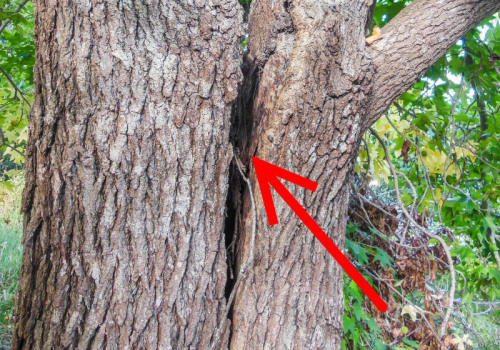
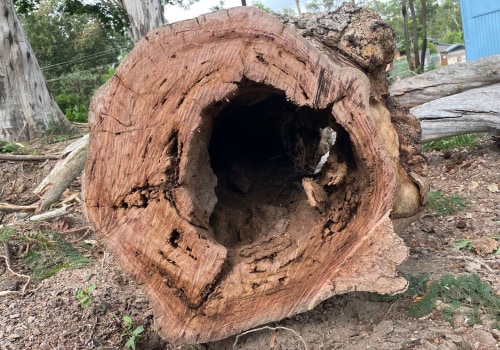
- Cracks in the Bark: Visible cracks or splits in the bark can be a sign of internal decay or structural weakness.
- Unusual Growth Patterns: Trees that exhibit stunted growth or abnormal branching may require closer examination.
- Pest Infestation: The presence of insects or signs of their activity, such as holes in the bark or webbing, can signal a need for immediate inspection.
- Mushroom Growth: Fungi growing at the base of a tree often indicate root rot or decay, necessitating more frequent checks.
- Recent Storm Damage: After severe weather events, inspect trees for broken branches or leaning trunks.
- Proximity to Structures: Trees near buildings or power lines should be monitored regularly to prevent potential hazards.
- Age of the Tree: Older trees are more susceptible to diseases and structural issues, making regular inspections essential.
Regular monitoring allows for early detection of problems, which can save time and resources in the long run.
Seasonal Considerations for Tree Inspections
Understanding the seasonal effects on trees is crucial for determining the best time for tree inspections. Each season presents unique challenges and opportunities for tree health, making it essential to align inspection schedules with these natural cycles.Spring Inspections
Spring is often considered the ideal time for tree inspections. As trees begin to bud and leaf out, any signs of damage or disease become more apparent. Inspecting trees in spring allows arborists to:- Identify early signs of pests and diseases that may have overwintered.
- Assess the overall vigor of the tree as it emerges from dormancy.
- Plan for necessary treatments or maintenance before the growing season peaks.
Summer Inspections
During summer, trees are in full leaf, which can make it challenging to spot certain issues.However, this season is critical for:
- Monitoring for signs of stress due to heat or drought.
- Checking for pest infestations that may have developed during warmer months.
- Evaluating the effectiveness of any treatments applied in spring.
Autumn Inspections
As leaves change color and fall, autumn inspections can reveal structural issues that may not have been visible earlier. Key considerations include:- Identifying branches that may be weak or damaged before winter storms.
- Assessing root health as trees prepare for dormancy.
- Planning for winter protection measures, such as wrapping vulnerable trunks.
Winter Inspections
While many trees are dormant in winter, this season offers a unique opportunity to inspect trees without foliage obstructing the view. Winter inspections focus on:- Evaluating tree structure and identifying potential hazards from heavy snow or ice.
- Planning for spring maintenance and treatments based on observed conditions.
- Assessing overall tree health by examining bark and branch integrity.
Professional vs.
DIY Tree Inspections: What You Need to KnowWhen it comes to tree inspections, homeowners often face the decision of whether to conduct the inspection themselves or hire a professional. Each approach has its own set of advantages and disadvantages that should be carefully considered.
Professional Tree Inspection Services
Hiring a professional tree inspector can provide several benefits:- Expertise: Professionals have extensive training and experience in identifying tree diseases, pests, and structural issues that may not be obvious to the untrained eye.
- Comprehensive Assessments: A certified arborist can offer a thorough evaluation, including soil health, root structure, and overall tree vitality.
- Safety: Professionals are equipped to handle potentially dangerous situations, such as inspecting large trees or those near power lines.
DIY Tree Inspection Tips
If you choose to conduct a DIY tree inspection, there are several tips to keep in mind:- Visual Checks: Regularly inspect your trees for signs of distress, such as discolored leaves, dead branches, or unusual growth patterns.
- Check for Pests: Look for signs of insect infestations, such as holes in the bark or webbing.
- Assess Stability: Gently shake smaller trees to check for stability; if they feel loose, it may indicate root problems.
When to Seek Professional Help
If you notice any significant changes in your trees or if they are located in high-risk areas (like near structures or power lines), it’s wise to consult a professional.Additionally, if you’re unsure about the health of your trees after a DIY inspection, seeking expert advice can prevent further damage and ensure safety.In conclusion, both professional and DIY tree inspections have their place. Understanding the pros and cons of each will help you make an informed decision that best suits your needs and ensures the health of your trees.
FAQs About Tree Inspection Frequency
When it comes to tree inspections, many homeowners and property managers have questions about how often these assessments should be conducted. Here are some common queries and their answers:How often should I inspect my trees?
Generally, it is recommended to conduct a tree inspection at least once a year. However, the frequency may vary based on several factors:- Tree Species: Some species are more prone to diseases and pests, necessitating more frequent inspections.
- Location: Trees in urban areas or near structures may require more regular checks due to environmental stressors.
- Weather Conditions: After severe weather events, such as storms or heavy snowfall, immediate inspections are advisable to assess any damage.
What signs should I look for during a tree inspection?
During a tree inspection, keep an eye out for:- Dead or Dying Branches: These can pose safety hazards and indicate underlying health issues.
- Cracks or Splits: Structural damage can compromise the tree's stability.
- Pest Infestations: Look for signs of insects or disease, such as holes in the bark or unusual growths.
Should I hire a professional for tree inspections?
If you notice any concerning signs during your inspections or if you are unsure about the health of your trees, it is wise to consult a certified arborist.Professionals can provide a thorough evaluation and recommend appropriate actions to ensure the health and safety of your trees.In summary, regular tree inspections are crucial for maintaining the health of your trees and ensuring safety on your property. By understanding the frequency and key indicators of tree health, you can take proactive steps to protect your landscape investment.
Conclusion: Ensuring Tree Health Through Regular Inspections
In conclusion, regular tree inspections are essential for maintaining the health and safety of your trees. As we have discussed, these inspections help identify potential issues such as disease, pest infestations, and structural weaknesses before they escalate into serious problems. By being proactive, you not only protect your investment in landscaping but also enhance the overall aesthetic and ecological value of your property. It is recommended that homeowners conduct a thorough tree inspection at least once a year, with additional checks following severe weather events or noticeable changes in tree appearance.Engaging a certified arborist can provide expert insights and ensure that your trees receive the care they need. Here are some key takeaways to remember:
- Regular inspections can prevent costly damage and promote tree longevity.
- Look for signs of distress such as wilting leaves, unusual growth patterns, or visible pests.
- Seasonal changes can affect tree health; be vigilant during spring and fall.
- Professional assessments can uncover hidden issues that may not be visible to the untrained eye.