Tree inspections are a critical aspect of maintaining the health and safety of our urban and rural landscapes. These assessments not only help in identifying potential hazards but also play a vital role in ensuring the longevity and vitality of trees. With the increasing prevalence of extreme weather events and environmental stressors, understanding the importance of tree inspections has never been more crucial. Regular tree inspections can uncover issues such as disease, pest infestations, and structural weaknesses that may not be immediately visible to the untrained eye. By addressing these problems early on, property owners can prevent costly damage to their property and reduce the risk of injury to people and animals.
Furthermore, healthy trees contribute significantly to our ecosystem by improving air quality, providing shade, and enhancing property values. Thus, why tree inspections matter extends beyond mere aesthetics; they are essential for public safety and environmental stewardship. In essence, tree inspections serve as a proactive measure to safeguard both our natural resources and our communities. As we delve deeper into this topic, it becomes evident that understanding who should perform these inspections is just as important as recognizing their significance. The right expertise can make all the difference in ensuring that our trees remain healthy and safe for generations to come.
Who Can Perform Tree Inspections?
When it comes to tree inspections, it is crucial to engage professionals who possess the necessary expertise and qualifications.Various specialists are equipped to perform these inspections, each bringing unique skills and knowledge to the table.
Arborists
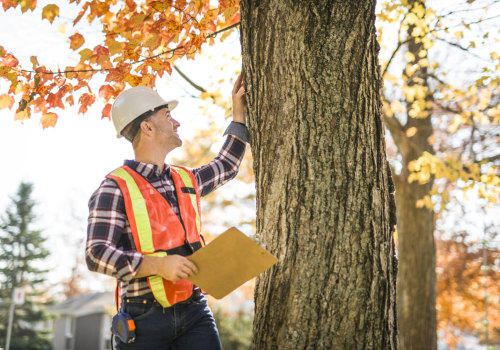
Certified arborists are among the most qualified individuals for conducting tree inspections. They have undergone rigorous training and certification processes, which include understanding tree biology, health assessment, and pest management. Arborists can identify signs of disease, structural weaknesses, and other issues that may affect a tree's health.Foresters
Foresters also play a significant role in tree inspections, particularly in larger wooded areas or forests. They are trained in managing forest resources and can assess the health of trees within their ecosystems.Their expertise is invaluable for understanding how trees interact with their environment and for making recommendations on conservation practices.
Landscape Professionals
Landscape professionals, including landscape architects and designers, often have a foundational understanding of tree care and can perform basic inspections. However, for more detailed assessments, it is advisable to consult with certified arborists or foresters.Qualifications and Certifications
To ensure effective tree inspections, look for professionals who hold certifications from recognized organizations such as the International Society of Arboriculture (ISA) or the Tree Care Industry Association (TCIA). These certifications indicate that the individual has met specific educational and practical experience requirements. In summary, engaging qualified professionals such as certified arborists, foresters, or landscape experts is essential for thorough tree inspections. Their specialized knowledge ensures that trees are assessed accurately, promoting healthier landscapes and safer environments.The Role of Certified Arborists
When it comes to tree inspection, the expertise of certified arborists is invaluable.These professionals undergo rigorous training and education to understand the complexities of tree biology, health, and safety. Their qualifications often include a degree in forestry, horticulture, or a related field, along with certification from recognized organizations such as the International Society of Arboriculture (ISA).
The Importance of Certification
- Knowledge of Tree Species: Certified arborists are well-versed in various tree species and their specific needs, which is crucial for accurate assessments.
- Understanding Tree Health: They can identify signs of disease, pest infestations, and structural weaknesses that may not be apparent to the untrained eye.
- Safety Protocols: Arborists are trained in safety protocols, ensuring that inspections are conducted without risk to themselves or others.
Benefits of Hiring Certified Arborists for Tree Inspections
- Accurate Assessments: Their expertise allows for precise evaluations of tree health and stability, which is essential for making informed decisions about maintenance or removal.
- Preventative Care: Regular inspections by certified arborists can help catch potential issues early, preventing costly damage or hazardous situations down the line.
- Professional Recommendations: They provide tailored advice on care practices, including pruning, fertilization, and pest management, ensuring trees remain healthy and safe.
When to Hire a Professional for Tree Inspections
Knowing when to hire a professional for tree inspections is crucial for maintaining the health and safety of your trees. While some minor issues can be assessed by homeowners, certain signs indicate that it’s time to call in an expert.Signs You Need a Tree Inspection
- Visible Damage: If you notice broken branches, cracks in the trunk, or peeling bark, these are clear indicators that a tree inspection is necessary.
- Leaf Discoloration: Yellowing or browning leaves can signal stress or disease.
A professional can diagnose the underlying issue.
- Unusual Growth Patterns: Trees that are leaning significantly or have uneven growth may require an inspection to assess stability and health.
- Pests and Fungi: The presence of insects or fungal growth on the tree can indicate serious problems that need expert evaluation.
- Seasonal Changes: After severe weather events, such as storms or heavy snowfall, it’s wise to have your trees inspected for hidden damage.
DIY Tree Inspections: What You Need to Know
Conducting a DIY tree inspection can be a rewarding experience, allowing you to take an active role in maintaining the health of your trees.However, it’s essential to approach this task with the right knowledge and tools.
Steps for Inspecting Trees Yourself
- Visual Assessment: Start by examining the overall shape and structure of the tree. Look for any signs of damage, such as broken branches or leaning trunks.
- Check the Bark: Inspect the bark for any cracks, peeling, or discoloration. These can indicate underlying issues such as disease or pest infestations.
- Look for Fungal Growth: Fungi growing on the trunk or around the base can be a sign of decay. Pay attention to mushrooms or conks that may appear.
- Examine the Leaves: Healthy leaves are typically green and vibrant.
Yellowing or wilting leaves may suggest stress or disease.
- Root Inspection: If possible, check the root zone for any signs of heaving soil or exposed roots, which can indicate instability.
Precautions to Take
- Safety First: Always prioritize safety when inspecting trees. Wear protective gear and be cautious of falling branches.
- Use Proper Tools: A good pair of binoculars can help you inspect higher branches without climbing.
- Avoid Climbing: Unless you are trained, avoid climbing trees for inspections. This can lead to accidents and injuries.
Limitations of DIY Inspections
While performing a tree inspection yourself can help identify obvious issues, it’s important to recognize its limitations. Professional arborists have specialized training and tools that allow them to detect problems that may not be visible to the untrained eye.
For instance, they can assess internal decay using advanced techniques like resistograph testing.If you notice any significant issues during your DIY inspection, it’s advisable to consult a professional. They can provide a comprehensive evaluation and recommend appropriate actions to ensure your trees remain healthy and safe.
Common Tree Inspection Techniques and Tools
When it comes to tree inspection, professionals utilize a variety of techniques and tools to ensure a thorough assessment of tree health and stability. Understanding these methods can help property owners appreciate the importance of regular inspections.Visual Inspection
The first step in any tree inspection is often a visual assessment. Arborists look for signs of disease, pest infestations, and structural issues.This includes examining the tree's bark, leaves, and overall shape. Key indicators such as discoloration, dead branches, or unusual growth patterns can signal underlying problems.
Climbing Techniques
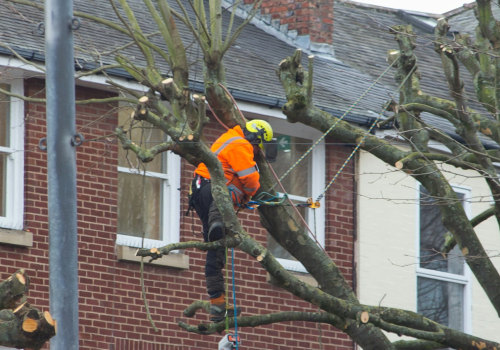
For a more detailed examination, arborists may employ climbing techniques. Using harnesses and ropes, they can access the upper canopy of the tree where many issues may not be visible from the ground. This allows for a closer look at branch structure and potential hazards.Diagnostic Tools
- Increment Borer: This tool allows arborists to extract a core sample from the tree, providing insights into its age and health.
- Resistograph: A specialized tool that measures wood density, helping to identify decay within the trunk.
- Soil Testing Kits: These kits assess soil quality and moisture levels, which are crucial for tree health.
Technology in Tree Inspections
Advancements in technology have also enhanced tree inspection methods.Drones equipped with cameras can capture aerial images of trees, allowing for a comprehensive overview without physical access. Additionally, software applications can analyze data collected during inspections to predict potential issues.In conclusion, employing a combination of visual assessments, climbing techniques, diagnostic tools, and modern technology enables professionals to conduct thorough tree inspections. This multifaceted approach ensures that trees are healthy and safe for their surroundings.
Frequently Asked Questions about Tree Inspections
When it comes to tree inspections, many people have questions about the process, its importance, and who is qualified to perform them. Here are some of the most frequently asked questions:- What is a tree inspection?
A tree inspection involves a thorough assessment of a tree's health, structure, and safety.This process helps identify any potential risks, diseases, or structural issues that could affect the tree's longevity or pose hazards to nearby structures and people.
- Why are tree inspections important?
Regular tree inspections are crucial for maintaining the health of your trees and ensuring safety. They can help detect problems early, allowing for timely intervention that can save the tree or prevent accidents. - Who should perform a tree inspection?
Tree inspections should be conducted by certified arborists or tree care professionals who have the training and experience to accurately assess tree health. These experts can provide valuable insights and recommendations based on their findings. - How often should trees be inspected?
It is generally recommended to have trees inspected at least once a year, especially if they are large or near structures. Additionally, after severe weather events, an inspection is advisable to check for damage. - What signs indicate that a tree needs an inspection?
Look for signs such as dead branches, peeling bark, fungal growth, or leaning trunks.If you notice any of these symptoms, it’s time to schedule a tree inspection.
Conclusion: Making Informed Decisions About Tree Inspections
In conclusion, understanding who should perform tree inspections is crucial for maintaining the health and safety of your trees. Throughout this article, we have explored the various professionals qualified to conduct these inspections, including certified arborists, landscape professionals, and local forestry experts. Each of these specialists brings unique skills and knowledge that can help identify potential issues before they escalate.It is essential to recognize that not all tree inspections are created equal.Depending on the complexity of the situation, you may need to consult with a specialist who has specific expertise in tree health, structural integrity, or pest management. By choosing the right professional, you can ensure that your trees receive the appropriate care and attention they need.
- Certified Arborists: These individuals are trained to assess tree health and provide recommendations for care.
- Landscape Professionals: They can offer insights into how trees fit into the overall landscape and their impact on property value.
- Local Forestry Experts: They understand regional tree species and environmental factors that may affect tree health.
Take action today by scheduling an inspection and investing in the long-term well-being of your landscape.