Tree inspections play a crucial role in maintaining the health of our urban and rural landscapes. These assessments are not merely routine checks; they are essential for identifying potential threats to trees that may arise from environmental factors such as pollution and drought. By conducting regular tree inspections, arborists can detect early signs of stress or disease, allowing for timely interventions that can save trees and enhance the overall ecosystem. The importance of tree inspection extends beyond the individual tree. Healthy trees contribute significantly to air quality, provide shade, and support biodiversity.
When trees are compromised by environmental stressors, their ability to perform these vital functions diminishes. For instance, pollution can lead to leaf discoloration and reduced growth, while drought can cause wilting and increased susceptibility to pests. Through thorough inspections, these issues can be identified before they escalate, ensuring that trees remain robust and resilient. Moreover, the benefits of tree inspection are manifold. Not only do they help in preserving the aesthetic value of landscapes, but they also play a pivotal role in safeguarding public safety.
Weak or diseased trees pose risks of falling branches or even complete tree failure, which can have dire consequences in populated areas. By prioritizing regular inspections, communities can proactively manage their green spaces, fostering a healthier environment for both people and wildlife.
What is a Tree Inspection?
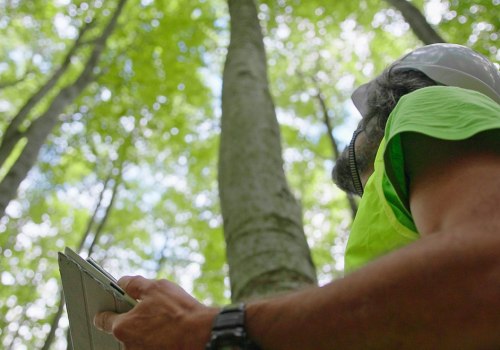
A tree inspection is a systematic evaluation of a tree's health, structure, and overall condition. This process is essential for identifying potential issues that may arise from environmental factors such as pollution or drought. During a tree inspection, certified arborists or tree care professionals assess various aspects of the tree to determine its vitality and any risks it may pose to its surroundings.Definition of Tree Inspection
A tree inspection involves a thorough examination of the tree's physical characteristics, including its leaves, bark, branches, and root system.
The goal is to identify signs of stress or disease that could be exacerbated by environmental conditions. This proactive approach helps in maintaining the health of the tree and ensuring safety for nearby structures and individuals.
The Tree Inspection Process
- Visual Assessment: The inspector begins with a visual examination from a distance to assess the overall shape and structure of the tree.
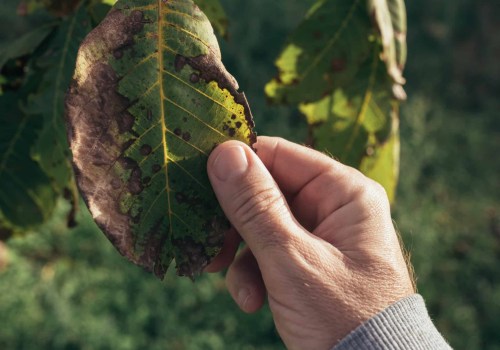
- Close Inspection: A closer look at the leaves, bark, and branches is conducted to identify any discoloration, lesions, or unusual growth patterns.
- Root Examination: If accessible, the root system is evaluated for signs of decay or damage, which can be critical in understanding the tree's health.
- Environmental Factors: The inspector considers external factors such as soil quality, moisture levels, and nearby pollutants that may affect the tree's health.
- Recommendations: After completing the inspection, the professional provides recommendations for care or treatment if any issues are identified.
Environmental Factors Affecting Trees
Understanding the environmental factors that affect trees is crucial for maintaining their health and longevity. Two significant factors that can severely impact tree vitality are pollution and drought.Pollution Effects on Trees
Air and soil pollution can have detrimental effects on tree health.Trees absorb carbon dioxide and other pollutants through their leaves and roots, which can lead to various health issues. For instance, acid rain, a result of industrial emissions, can damage leaves and hinder photosynthesis. Additionally, heavy metals in the soil can be taken up by tree roots, leading to toxic accumulation within the tree.
- Symptoms of pollution damage:
- Discolored leaves
- Stunted growth
- Increased susceptibility to pests and diseases
Drought Impact on Trees
Drought conditions pose another significant threat to trees. Insufficient water supply can lead to stress, making trees more vulnerable to diseases and pests.During periods of drought, trees may exhibit signs such as wilting leaves, premature leaf drop, and even dieback of branches.
- Indicators of drought stress:
- Cracked or peeling bark
- Yellowing leaves
- Reduced leaf size
How Tree Inspections Identify Environmental Stressors
Tree inspections play a crucial role in identifying environmental stressors that can adversely affect tree health. During an inspection, arborists look for specific signs that indicate a tree is struggling due to factors such as pollution, drought, or other environmental challenges.Indicators of Stress in Trees
- Leaf Discoloration: One of the first signs of stress is the change in leaf color.
Yellowing leaves may indicate nutrient deficiencies or water stress, while browning edges can suggest exposure to pollutants.
- Wilting or Dropping Leaves: Trees under stress may exhibit wilting or premature leaf drop, particularly during dry spells. This is a defense mechanism to conserve water.
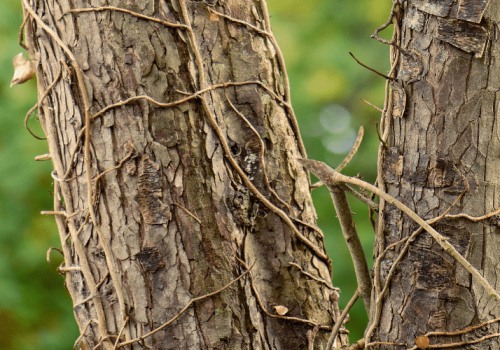
- Cracked Bark: Environmental stress can lead to bark splitting or cracking, which exposes the tree to pests and diseases.
- Stunted Growth: A noticeable reduction in growth rate can signal that a tree is not receiving adequate resources due to environmental factors.
- Pest Infestation: Stressed trees are more susceptible to pests, which can further exacerbate their condition. Inspectors look for signs of insect activity as an indicator of overall health.
Similarly, if drought conditions are affecting the tree, irrigation solutions can be implemented to help restore its health.In summary, regular tree inspections are essential for early detection of environmental stressors. By understanding the signs of stress in trees, property owners can take proactive measures to ensure their trees remain healthy and resilient against adverse environmental conditions.
The Role of Technology in Tree Inspections
In recent years, the field of tree inspection has seen significant advancements due to the integration of modern technology. These innovations not only enhance the accuracy of inspections but also provide deeper insights into how environmental factors like pollution and drought affect tree health.Advanced Tools for Tree Inspection
One of the most notable advancements is the use of remote sensing technology. This includes tools such as drones equipped with high-resolution cameras and multispectral sensors that can capture detailed images of tree canopies.These images allow arborists to assess tree health from a distance, identifying signs of stress or disease that may be linked to environmental factors.
Data Analysis and Modeling
Another critical aspect of modern tree inspection is the use of data analysis software. By collecting data on tree growth patterns, soil conditions, and local climate, experts can create models that predict how trees will respond to various environmental stresses. This predictive capability is invaluable for managing urban forests and ensuring the longevity of tree populations.Mobile Applications and Field Tools
Mobile applications designed for arborists have also transformed tree inspections. These apps allow professionals to record observations in real-time, access databases on tree species, and even share findings with other experts instantly.Additionally, tools like resistographs and tomographs enable arborists to assess internal decay and structural integrity without invasive procedures, providing a clearer picture of a tree's health.
The Future of Tree Inspections
The future of tree inspection lies in the continued integration of technology. As tools become more sophisticated, they will allow for more precise assessments of how trees are impacted by pollution, drought, and other environmental factors. By leveraging these technologies, we can better protect our urban forests and ensure that trees continue to thrive in changing conditions.Case Studies: Successful Tree Inspections Revealing Environmental Issues
Tree inspections have proven invaluable in identifying environmental issues that can severely impact tree health. Here are a few case studies that highlight the effectiveness of these inspections.Case Study 1: Urban Pollution Impact
In a metropolitan area, a routine tree inspection was conducted in a local park known for its diverse tree species.Inspectors discovered that several oak trees exhibited signs of leaf discoloration and stunted growth. Further analysis revealed elevated levels of heavy metals in the soil, likely due to nearby industrial activities. The findings prompted city officials to implement soil remediation efforts and establish a monitoring program to protect the remaining trees.
Case Study 2: Drought Stress in Community Forests
A community forest in California faced severe drought conditions, leading to concerns about tree survival. A comprehensive tree inspection was initiated to assess the health of various species.Inspectors found that many trees were showing signs of water stress, such as wilting leaves and premature leaf drop. The inspection results led to the implementation of a targeted irrigation strategy, which included installing drip systems to ensure adequate water supply during critical periods.
Case Study 3: Invasive Species Detection
In another instance, a tree inspection in a suburban neighborhood revealed an infestation of an invasive beetle species affecting ash trees. The inspectors noted unusual bark damage and dieback symptoms. By identifying the problem early, local authorities were able to take swift action, including the removal of affected trees and public education on preventing the spread of invasive species.These case studies illustrate how regular tree inspections can uncover hidden environmental issues, allowing for timely interventions that protect both tree health and community ecosystems.By investing in these inspections, communities can foster healthier urban forests and mitigate the impacts of pollution and climate change.
Frequently Asked Questions about Tree Inspections
Tree inspections are essential for maintaining the health and safety of trees in urban and rural environments. Here are some frequently asked questions regarding tree inspections:- What is a tree inspection? A tree inspection involves a thorough assessment of a tree's health, structure, and potential risks. Certified arborists evaluate factors such as disease, pest infestations, and environmental stressors.
- How often should trees be inspected? It is generally recommended to have trees inspected at least once a year. However, trees in high-stress environments or those that have experienced recent damage may require more frequent evaluations.
- What are the signs that a tree needs inspection? Look for signs such as dead branches, peeling bark, or unusual growth patterns.
Additionally, if a tree is located near construction sites or areas with high pollution levels, it should be inspected regularly.
- Can tree inspections help identify environmental issues? Yes, during a tree inspection, arborists can identify signs of environmental stress caused by factors like pollution, drought, or soil compaction. This information is crucial for implementing effective management strategies.
- What happens during a tree inspection? An arborist will assess the tree's overall condition, check for pests or diseases, and evaluate the surrounding environment. They may also use specialized tools to measure the tree's health metrics.
Conclusion: The Value of Regular Tree Inspections for Environmental Health
In conclusion, regular tree inspections play a crucial role in maintaining the health of our urban and natural landscapes. By identifying trees that may be affected by environmental factors such as pollution and drought, these inspections serve as a proactive measure to mitigate potential risks to both the trees and the surrounding ecosystem.Through systematic evaluations, arborists can detect early signs of stress or disease that may arise from adverse environmental conditions.This early detection allows for timely interventions, which can include:
- Pruning to remove damaged branches and improve air circulation.
- Soil amendments to enhance nutrient availability and water retention.
- Water management strategies to ensure trees receive adequate hydration during dry spells.
- Pest control measures to protect trees from infestations exacerbated by weakened health.