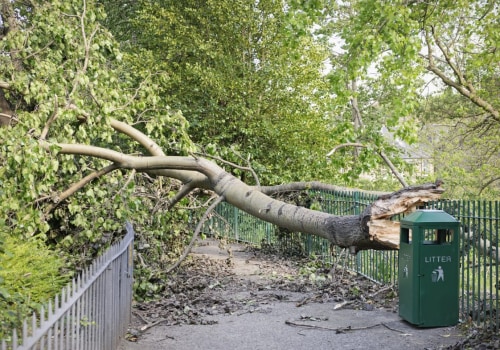
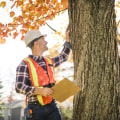
Tree inspections are a critical component of maintaining the health and safety of our urban and rural landscapes. These assessments involve a thorough examination of trees to identify any signs of disease, structural weaknesses, or environmental stressors that could pose risks to both the trees themselves and the surrounding community. Regular tree inspections not only help in preserving the aesthetic value of our green spaces but also play a vital role in preventing potential hazards, such as falling branches or uprooted trees during storms. The importance of tree inspections cannot be overstated. Trees are living organisms that require ongoing care and attention to thrive.
A comprehensive tree health assessment can reveal underlying issues that may not be immediately visible, such as root rot, pest infestations, or fungal infections. By identifying these problems early, property owners and arborists can take proactive measures to mitigate risks and ensure the longevity of these valuable assets. Moreover, understanding the condition of trees within a given area contributes to better urban planning and environmental management. As cities continue to grow, the integration of healthy trees into urban environments becomes increasingly important for enhancing air quality, providing shade, and supporting biodiversity. Therefore, recognizing the significance of tree inspections is essential for anyone invested in maintaining safe and sustainable landscapes.
Identifying Potential Risks During a Tree Inspection
During a tree inspection, identifying potential risks is crucial for maintaining the health of your trees and ensuring safety for your property and surroundings.Here are some key indicators to look for:
- Cracks and Splits: Inspect the trunk and major branches for any visible cracks or splits. These can indicate structural weakness and may lead to failure.
- Dead or Dying Branches: Look for branches that are brittle, have no leaves, or show signs of decay. These branches can pose a risk of falling.
- Fungal Growth: The presence of mushrooms or other fungi at the base of the tree or on its trunk can signal internal decay. This is often a sign that the tree is compromised.
- Leaf Discoloration: Healthy trees typically have vibrant green leaves.
Yellowing, browning, or wilting leaves can indicate stress, disease, or pest infestations.
- Pest Infestations: Check for signs of pests such as holes in the bark, sawdust, or visible insects. Pests can weaken trees and make them more susceptible to disease.
Consulting with a certified arborist can provide you with expert advice on how to manage identified risks effectively. They can recommend treatments, pruning, or even removal if necessary to ensure safety and health in your landscape.
Immediate Actions to Take Upon Identifying Risks
When potential risks are identified during a tree inspection, immediate action is crucial to ensure safety and mitigate hazards. Here are the essential steps to take:- Secure the Area: The first step is to cordon off the area around the tree. Use barriers, cones, or tape to prevent access to anyone who may be at risk of falling branches or other hazards.
- Notify Relevant Parties: Inform local authorities, property owners, or management about the identified risks.
This communication is vital for coordinating further actions and ensuring that everyone is aware of the potential danger.
- Assess the Severity: Conduct a quick assessment to determine the severity of the risk. Is it an immediate threat that requires urgent action, or can it be monitored over time? This evaluation will guide your next steps.
- Document Findings: Take detailed notes and photographs of the identified risks. This documentation will be essential for any follow-up actions and for communicating with professionals who may need to intervene.
- Implement Emergency Tree Care: If the risk is severe, consider contacting a certified arborist or tree care service immediately. They can provide expert advice and take necessary actions such as pruning, cabling, or even removal of the tree if required.
Remember, proactive tree risk management not only protects people but also preserves the health of your landscape.
Assessing the Severity of Identified Risks
When conducting a tree inspection, identifying potential risks is only the first step. The next crucial phase is assessing the severity of these risks to determine the appropriate course of action. This evaluation can be performed using various methods and tools that help in understanding the condition of the tree and the potential hazards it may pose.Risk Evaluation Methods
- Visual Assessment: A thorough visual inspection can reveal signs of decay, disease, or structural weaknesses. Look for cracks, dead branches, or fungal growth, which may indicate underlying issues.
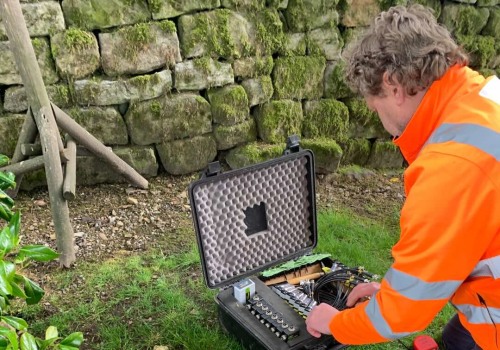
- Tree Condition Assessment: Tools such as resistographs or sonic tomography can be employed to assess internal decay and structural integrity.
These methods provide a more detailed understanding of the tree's health.
- Risk Rating Systems: Utilizing standardized risk rating systems, such as the ISA Tree Risk Assessment Qualification (TRAQ), can help in categorizing the severity of identified risks based on specific criteria.
- Low Risk: Minor issues that do not pose an immediate threat to people or property. Regular monitoring may be sufficient.
- Moderate Risk: Issues that require attention but are not urgent. These may include trees with minor structural defects that could worsen over time.
- High Risk: Significant problems that pose an immediate danger. These trees may need to be removed or treated promptly to prevent accidents.
Consulting with Tree Care Professionals
When potential risks are identified during a tree inspection, it is crucial to consult with certified arborists or tree care professionals.These experts possess the knowledge and experience necessary to assess the situation accurately and recommend appropriate actions.
Why Consult an Arborist?
- Expertise: Arborists are trained to identify various tree diseases, structural issues, and environmental factors that may affect tree health.
- Safety: They can evaluate the risk of falling branches or trees, which is essential for ensuring the safety of your property and its occupants.
- Long-term Solutions: Professionals can provide tailored advice on how to manage or mitigate risks, ensuring the longevity and health of your trees.
When to Hire a Tree Expert
If you notice signs of distress in your trees, such as dead branches, unusual growth patterns, or pest infestations, it’s time to seek professional help. Additionally, if your tree poses a potential hazard due to its proximity to structures or power lines, consulting a tree care expert is essential.
What to Expect from a Consultation
Mitigation Strategies for Common Tree Risks
When potential risks are identified during a tree inspection, implementing effective mitigation strategies is crucial to ensure safety and health.Here are some key approaches to managing tree hazards:
- Pruning: Regular pruning helps remove dead or diseased branches that could pose a risk of falling. It also promotes healthy growth and improves the tree's structure, reducing the likelihood of future hazards.
- Cabling and Bracing: For trees with weak branches or structural issues, installing cables or braces can provide additional support. This technique helps stabilize the tree and prevents further damage during storms or high winds.
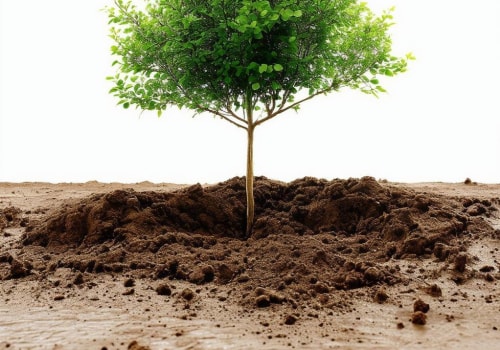
- Root Management: Assessing the root system is essential, as compromised roots can lead to instability. If roots are damaged or decayed, consider using root barriers or aeration techniques to promote healthy growth.
- Tree Removal: In cases where a tree poses a significant risk to people or property, removal may be the safest option.
This should be performed by a certified arborist to ensure it is done safely and effectively.
Long-Term Monitoring and Maintenance After Risk Identification
Once potential risks have been identified during a tree inspection, it is crucial to implement a strategy for long-term monitoring and maintenance. This proactive approach not only addresses immediate concerns but also helps in preventing future issues that could compromise the health and safety of the tree.Establishing a Monitoring Schedule
- Set up regular check-ups, ideally every six months, to assess the tree's condition.
- Document any changes in the tree's health, including leaf color, growth patterns, and signs of disease or pest infestation.
- Utilize technology, such as tree health monitoring apps, to track changes over time.
Ongoing Tree Maintenance Practices
- Pruning: Regularly prune dead or diseased branches to promote healthy growth and improve air circulation.
- Watering: Ensure the tree receives adequate water, especially during dry spells, to support its recovery and growth.
- Fertilization: Apply appropriate fertilizers based on soil tests to provide essential nutrients that may be lacking.
- Pest Management: Monitor for pests and diseases, and take action promptly if any are detected.
This may include using organic pesticides or consulting with an arborist.
Post-Inspection Care for Trees
After addressing immediate risks identified during the tree inspection, it is essential to continue caring for the tree. This includes:
- Creating a protective barrier around the tree to prevent physical damage from lawn equipment or foot traffic.
- Avoiding soil compaction around the root zone by limiting heavy activity in that area.
- Educating those who interact with the tree about its needs and how to avoid causing harm.
Frequently Asked Questions About Tree Inspections and Risk Management
When it comes to tree inspections, understanding the potential risks associated with trees is crucial for maintaining safety and health in your environment. Here are some frequently asked questions regarding tree inspections and risk management:What are the common signs of tree risk?
During a tree inspection, several indicators can suggest potential risks:- Cracks or splits in the trunk or branches
- Dead or dying branches that may fall
- Fungal growth at the base or on the trunk
- Leaning trees that may indicate root issues
- Root damage from construction or soil erosion
What should I do if I identify a risk during an inspection?
If you notice any of these signs during a tree inspection, it’s essential to take immediate action:- Document the findings: Take photos and notes about the condition of the tree.
- Consult a professional: Contact a certified arborist for a detailed assessment.
- Avoid DIY solutions: Do not attempt to remove or prune the tree yourself unless you are trained.
- Implement management strategies: Follow the recommendations provided by the arborist, which may include pruning, cabling, or even removal.
How often should trees be inspected?
The frequency of tree inspections can depend on various factors, including:- The species of the tree
- The age and health of the tree
- The surrounding environment and potential hazards
Conclusion: Ensuring Tree Safety Through Proactive Measures
In conclusion, ensuring tree safety through proactive measures is essential for maintaining the health of our urban and rural landscapes.Regular tree inspections play a pivotal role in identifying potential risks before they escalate into serious hazards. By understanding the importance of these inspections, property owners can take informed actions to protect both their property and the surrounding community. When potential risks are identified during a tree inspection, it is crucial to follow a systematic approach:
- Assess the Severity: Determine the extent of the risk. Is it a minor issue that can be managed with pruning, or does it require immediate removal?
- Consult an Arborist: Engage a certified arborist to evaluate the situation. Their expertise can provide insights into the best course of action.
- Implement Corrective Measures: Depending on the assessment, take appropriate steps such as pruning, cabling, or even removing the tree if necessary.
- Monitor Regularly: After addressing the identified risks, continue to monitor the tree's health and stability through regular inspections.
Remember, proactive management of tree health is not just about aesthetics; it is about ensuring safety for everyone who interacts with these vital natural resources. Ultimately, investing time and resources into tree inspections and subsequent actions can prevent accidents and promote a healthier ecosystem. Prioritizing tree safety is a responsibility that benefits both individuals and communities alike.