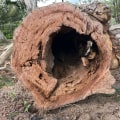
Tree inspections play a crucial role in ensuring the health and safety of both the trees themselves and the surrounding environment. Regular tree inspections allow property owners and arborists to identify potential issues before they escalate into serious problems. By assessing the structural integrity of trees, these inspections can reveal hidden weaknesses that may not be immediately visible to the untrained eye. Understanding the importance of tree inspections goes beyond mere aesthetics; it encompasses safety, risk management, and long-term tree health. Trees that are structurally compromised can pose significant hazards, especially during storms or high winds.
A thorough inspection can pinpoint issues such as decay, cracks, or root problems, enabling timely interventions that can save a tree from being removed and preserve its ecological benefits. Moreover, the benefits of tree inspections extend to enhancing property value and ensuring compliance with local regulations regarding tree maintenance. Homeowners who invest in regular inspections not only protect their investment but also contribute to a healthier urban ecosystem. In essence, prioritizing tree inspections is a proactive approach that fosters a safer environment while promoting the longevity of these vital natural resources.
What is a Tree Inspection?
A tree inspection is a systematic evaluation of a tree's health, structure, and overall condition. This process is essential for identifying potential risks associated with trees, such as structural weaknesses, disease, or pest infestations.By conducting a thorough inspection, arborists can provide valuable insights into the tree's stability and longevity, ensuring safety for surrounding properties and individuals.During a tree inspection, several factors are assessed:
- Visual Assessment: This involves examining the tree's trunk, branches, and foliage for any visible signs of damage or disease.
- Structural Evaluation: Arborists look for structural issues such as cracks, splits, or decay that could compromise the tree's integrity.
- Root Inspection: The health of the root system is crucial; inspectors may check for root rot or other underground problems that could affect stability.
- Pest and Disease Identification: Identifying pests or diseases early can prevent further damage and help in formulating a treatment plan.
Types of Tree Inspections
There are various types of tree inspections, each tailored to specific needs:- Routine Inspections: Regular checks to monitor tree health and catch issues early.
- Pre-Purchase Inspections: Evaluating trees before purchasing property to identify potential risks.
- Post-Storm Inspections: Assessing damage after severe weather events to determine safety and necessary actions.
- Risk Assessments: Detailed evaluations focused on identifying hazards posed by trees in urban settings.
Common Structural Issues Identified During Tree Inspections
During a tree inspection, several common structural issues can be identified that may pose risks to the health of the tree and the safety of nearby structures. Recognizing these problems early can prevent further damage and ensure the longevity of the tree.- Root Rot: One of the most critical issues is root rot, which occurs when the roots of a tree become decayed due to fungal infections or excessive moisture. Signs include wilting leaves, stunted growth, and a spongy texture in the soil around the base.
- Trunk Decay: Trunk decay can be identified by visible cracks, cavities, or fungal growth on the trunk.
This condition weakens the structural integrity of the tree, making it more susceptible to falling during storms or high winds.
- Branch Weakness: Weak or dead branches can pose a significant hazard. During a tree inspection, arborists look for signs of branch weakness, such as excessive dieback, peeling bark, or fungal growth. These branches may need to be pruned or removed to prevent injury or property damage.
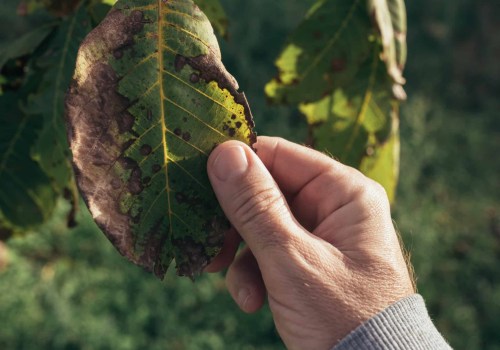
- Cankers: Cankers are localized areas of dead tissue on the bark that can indicate underlying disease. They can weaken the tree's structure and should be monitored closely.
- Pest Infestations: Insects such as borers can compromise a tree's structural integrity by tunneling through the wood.
Signs include holes in the bark and frass (insect droppings) around the base.
The Tree Inspection Process
Conducting a tree inspection is a systematic process that involves several key steps to ensure a thorough evaluation of a tree's health and structural integrity. Here’s a breakdown of the tree inspection process:- Initial Observation: Begin by observing the tree from a distance. Look for any obvious signs of distress such as dead branches, peeling bark, or unusual growth patterns.
- Visual Assessment: Move closer to the tree and conduct a detailed visual inspection.
Check the trunk for cracks, cavities, or signs of decay. Examine the root zone for any upheaval or soil erosion that could indicate structural issues.
- Foliage Inspection: Assess the leaves and branches for discoloration, wilting, or pest infestations. Healthy foliage is crucial for a tree's overall stability and vitality.
- Use of Tools: Employ tools such as a tape measure to assess trunk diameter and height, and a clinometer to measure tree height and angle. A hollow probe can be used to check for internal decay.
- Root Inspection: If possible, examine the roots by gently removing soil around the base.
Look for signs of rot or damage that could compromise the tree's stability.
- Documentation: Take notes and photographs during the inspection. Documenting your findings will help in assessing changes over time and in making informed decisions about necessary interventions.
Signs That Indicate a Need for Tree Inspection
Identifying when a tree requires an inspection is crucial for maintaining its health and safety. Several signs can indicate that a tree may be experiencing issues that warrant professional evaluation.- Leaning Trees: If a tree appears to be leaning significantly, it may indicate root instability or soil erosion.
This is often a sign that the tree's structural integrity is compromised.
- Visible Damage: Look for cracks, splits, or wounds on the trunk and branches. These physical damages can expose the tree to pests and diseases, making it essential to assess the extent of the damage.
- Dead or Dying Branches: If you notice branches that are dead, brittle, or devoid of leaves, this could signal underlying health issues. Regular inspections can help determine if these branches pose a risk of falling.
- Fungal Growth: The presence of mushrooms or other fungi at the base of a tree or on its trunk can indicate decay. Fungi thrive on decaying wood, suggesting that the tree may be suffering from rot.
- Excessive Leaf Drop: A sudden increase in leaf drop during the growing season can be a sign of stress.
This could be due to environmental factors or disease, necessitating an inspection.
The Role of Certified Arborists in Tree Inspections
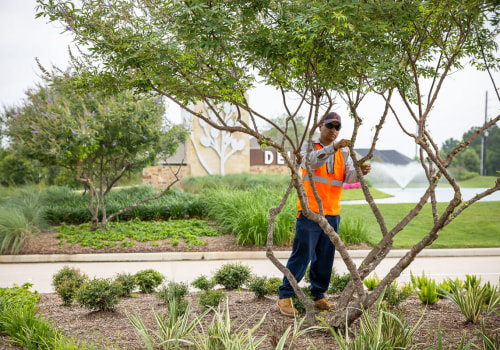
When it comes to tree inspections, the expertise of certified arborists is invaluable. These professionals are trained to assess the health and structural integrity of trees, making them essential for identifying potential issues that could pose risks to property and safety.Understanding the Role of Certified Arborists
- Expert Knowledge: Certified arborists possess extensive knowledge about tree biology, diseases, and structural dynamics.
This expertise allows them to recognize signs of stress or decay that may not be visible to the untrained eye.
- Advanced Techniques: Arborists use specialized tools and techniques during tree inspections, such as visual assessments, decay detection equipment, and root analysis. These methods help in accurately diagnosing structural issues.
- Risk Assessment: A certified arborist can evaluate the risk a tree poses to its surroundings. They consider factors like tree species, age, and environmental conditions, providing a comprehensive risk assessment.
Benefits of Hiring an Arborist for Tree Inspections
- Preventative Care: Regular inspections by an arborist can help identify problems early, allowing for timely intervention that can save trees and reduce costs associated with removal or damage.
- Informed Decision-Making: With their expert evaluations, arborists provide property owners with clear recommendations on how to manage their trees effectively, whether through pruning, treatment, or removal.
- Compliance with Regulations: Many municipalities have regulations regarding tree maintenance. Certified arborists are familiar with these laws and can ensure that inspections and subsequent actions comply with local guidelines.
FAQs About Tree Inspections
Tree inspections are essential for maintaining the health and safety of your trees.Here are some frequently asked questions regarding tree inspections:
- What is a tree inspection? A tree inspection is a thorough assessment conducted by a certified arborist to evaluate the health, stability, and structural integrity of a tree. This process helps identify any potential risks or issues that could affect the tree's longevity.
- How often should I have my trees inspected? It is recommended to have your trees inspected at least once a year, especially if they are large or near structures. Additionally, after severe weather events, an inspection can help identify any damage that may have occurred.
- What are the signs that my tree needs an inspection? Look for signs such as dead branches, cracks in the trunk, fungal growth, or leaning trees. If you notice any of these symptoms, it’s wise to schedule a tree inspection.
- Can I perform a tree inspection myself? While homeowners can look for obvious signs of distress, it’s best to hire a professional arborist for a comprehensive evaluation.
They have the expertise and tools to identify hidden issues.
- What happens during a tree inspection? During an inspection, the arborist will assess the tree's overall health, check for pests or diseases, evaluate root stability, and look for structural weaknesses. They may also provide recommendations for care or treatment.
Conclusion: The Value of Regular Tree Inspections
In conclusion, regular tree inspections play a crucial role in maintaining the health and safety of trees. By identifying potential structural issues early, property owners can take proactive measures to prevent costly damage and ensure the longevity of their trees.Throughout this article, we have explored how a thorough tree inspection can reveal various problems, such as:- Root decay, which can compromise stability
- Crown dieback, indicating stress or disease
- Cracks and splits in the trunk that may lead to failure
- Pest infestations that weaken tree structure
- Fungal growth, which can signal internal decay
These professionals utilize advanced techniques and tools to assess tree health accurately, providing recommendations tailored to each specific situation.Moreover, regular inspections not only help in identifying existing issues but also promote preventive care. This includes proper pruning, soil management, and pest control strategies that enhance tree resilience against environmental stressors.Ultimately, investing in tree inspections is an investment in the safety of your property and the well-being of your landscape. Healthy trees contribute significantly to property value, aesthetic appeal, and environmental benefits. Therefore, make it a priority to schedule regular inspections to safeguard your trees and enjoy their beauty for years to come.