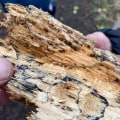
Tree inspections are a vital aspect of property maintenance that often goes overlooked. A tree inspection involves a thorough evaluation of the health and stability of trees on your property, assessing factors such as disease, structural integrity, and potential hazards. By identifying issues early, property owners can take proactive measures to mitigate risks associated with tree failure, which can lead to significant property damage. The importance of tree inspections cannot be overstated. Trees that appear healthy on the surface may harbor hidden problems that could pose serious threats during storms or high winds.
Regular inspections help in recognizing signs of decay, pest infestations, or structural weaknesses before they escalate into costly repairs or dangerous situations. Moreover, maintaining healthy trees not only enhances the aesthetic appeal of your property but also contributes to its overall value. A comprehensive tree health assessment during an inspection evaluates various aspects such as root stability, trunk condition, and canopy health. This assessment provides valuable insights into the tree's vitality and longevity, allowing property owners to make informed decisions about care and maintenance. By investing in regular tree inspections, you not only protect your property but also ensure a safe environment for your family and visitors.
The Risks of Neglecting Tree Inspections
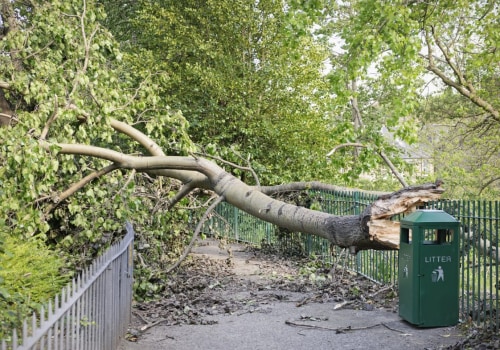
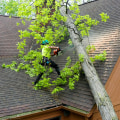
Neglecting tree inspections can lead to a myriad of risks that not only threaten the health of the trees themselves but also pose significant dangers to property and safety.One of the most pressing concerns is the potential for property damage. Trees that are not regularly inspected may develop structural weaknesses due to disease, pests, or environmental stressors. These issues can go unnoticed until it’s too late, resulting in branches breaking off or even entire trees falling during storms or high winds.In addition to physical damage to structures, such as roofs, vehicles, and fences, there are also safety hazards associated with uninspected trees. A decaying tree can become a liability, especially if it is located near walkways, driveways, or public areas.
The risk of injury from falling branches or trees increases significantly when regular inspections are overlooked.Furthermore, the financial implications of neglecting tree inspections can be substantial. Homeowners may face costly repairs from damage caused by fallen trees or branches. In some cases, insurance claims may be denied if it is determined that the property owner failed to maintain their trees adequately. This can lead to unexpected out-of-pocket expenses that could have been avoided with proactive tree care.To mitigate these risks, it is essential to schedule regular tree inspections.
These assessments can identify potential hazards early on and allow for timely interventions, such as pruning or removal of dangerous trees. By prioritizing tree health and safety through routine inspections, property owners can protect their investments and ensure a safer environment for themselves and their neighbors.
How Tree Inspections Work
Understanding how tree inspections work is crucial for property owners looking to safeguard their investments. A professional tree inspection typically begins with a visual assessment of the tree's overall health and structure. Arborists or tree care professionals will examine various aspects, including:- Tree Structure: Inspecting the trunk, branches, and root system for signs of weakness or decay.
- Foliage Health: Evaluating the leaves for discoloration, wilting, or pest infestations that may indicate underlying issues.
- Soil Conditions: Assessing the soil around the tree for compaction, drainage issues, or nutrient deficiencies that could affect growth.
- Environmental Factors: Considering nearby structures, power lines, and other trees that may impact the tree's health and stability.
- Initial Consultation: The arborist discusses any concerns with the property owner and gathers information about the tree's history.
- Visual Inspection: A thorough examination of the tree from multiple angles to identify visible problems.
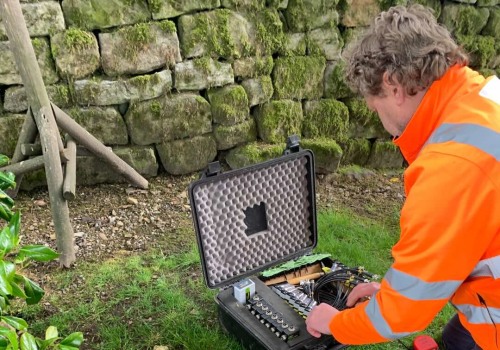
- Diagnostic Tools: Utilizing tools such as resistographs or sonic tomographs to assess internal decay or structural integrity without invasive methods.
- Report Generation: After the inspection, a detailed report is provided, outlining findings and recommendations for maintenance or removal if necessary.
This proactive approach helps in making informed decisions about tree care and management, ultimately preventing costly property damage down the line.
Signs Your Trees Need an Inspection
Recognizing the signs of unhealthy trees is crucial for maintaining the health of your property and preventing potential damage. Here are some key indicators that suggest your trees may need an inspection:- Leaf Discoloration: If you notice leaves turning yellow, brown, or dropping prematurely, it could indicate stress or disease.
- Dead Branches: Branches that are dead or dying can pose a significant risk, especially during storms. Look for branches that lack leaves or have brittle, dry wood.
- Cracks in the Bark: Deep cracks or splits in the bark can expose the tree to pests and diseases, making it essential to have an expert evaluate the situation.
- Unusual Growth Patterns: Trees that lean excessively or have uneven growth may be structurally compromised and require immediate attention.
- Pest Infestation: Signs of pests, such as holes in the bark or visible insects, can indicate a serious problem that needs to be addressed quickly.
- Mushrooms or Fungi: The presence of mushrooms at the base of a tree can signal root rot or decay, which can weaken the tree's stability.
Additionally, seasonal changes can affect tree health; therefore, being proactive about inspections during spring and fall can help catch problems early.In summary, being vigilant about these tree health indicators not only protects your trees but also safeguards your property from potential damage caused by falling branches or weakened structures. If you suspect any issues, don’t hesitate to consult a professional arborist for a thorough evaluation.
Benefits of Regular Tree Inspections
Regular tree inspections offer a multitude of benefits that can significantly enhance the safety and value of your property. By identifying potential hazards early, these inspections can prevent costly damage and ensure the well-being of your home and its surroundings.Enhanced Safety
- One of the primary advantages of regular tree inspections is the enhancement of safety. Trees that are not properly maintained can pose serious risks, especially during storms or high winds.
Inspectors can identify weak branches or signs of disease that may lead to falling limbs, thereby protecting your family and property.
Improved Property Value
- A well-maintained landscape, including healthy trees, can significantly boost your property’s value. Regular tree inspections help ensure that your trees remain in good health, which contributes to an attractive and inviting environment for potential buyers.
Proactive Maintenance
- Conducting regular inspections allows for proactive maintenance. By catching issues early, such as pest infestations or diseases, you can address them before they escalate into more significant problems. This not only saves money in the long run but also extends the lifespan of your trees.
- Additionally, tree inspectors can provide valuable advice on proper pruning techniques and care practices that promote healthy growth and reduce the risk of future issues.
Environmental Benefits
- Healthy trees contribute to a better environment by improving air quality and providing shade.
Regular inspections ensure that your trees are thriving, which in turn supports local wildlife and enhances biodiversity.
Choosing a Professional Tree Inspector
When it comes to ensuring the health of your trees and preventing potential property damage, choosing a qualified tree inspector is crucial. A professional tree inspector can identify issues that may not be visible to the untrained eye, such as disease, structural weaknesses, or pest infestations.Here are some key factors to consider when selecting a tree inspection service:
- Credentials and Certifications: Look for inspectors who hold relevant certifications from recognized organizations, such as the International Society of Arboriculture (ISA) or the Tree Care Industry Association (TCIA). These credentials indicate that the inspector has undergone rigorous training and adheres to industry standards.
- Experience: Inquire about the inspector's experience in the field. A seasoned professional will have a deeper understanding of various tree species and their specific needs. Ask how long they have been conducting tree inspections and if they have experience with trees similar to those on your property.
- References and Reviews: Request references from previous clients or check online reviews.
Positive feedback from homeowners can provide insight into the inspector's reliability and quality of service.
- Comprehensive Services: Ensure that the inspector offers a full range of services, including visual assessments, soil analysis, and recommendations for treatment or maintenance. A thorough inspection should cover all aspects of tree health.
- Insurance: Verify that the inspector carries liability insurance. This protects you in case of accidents or damages that may occur during the inspection process.
Cost Considerations for Tree Inspections
When considering a tree inspection, understanding the associated costs is crucial for homeowners and property managers alike.The price of a tree inspection can vary significantly based on several factors, including location, the complexity of the inspection, and the specific services required.
Factors Influencing Cost:
- Location: Urban areas often have higher service costs due to increased demand and operational expenses. In contrast, rural areas may offer more competitive pricing.
- Tree Size and Type: Larger trees or those that are more complex to inspect may incur higher fees. Certain species may also require specialized knowledge, impacting the overall cost.
- Inspection Complexity: A basic visual inspection will generally cost less than a comprehensive assessment that includes diagnostic tools or equipment.
- Additional Services: If the inspection leads to recommendations for treatment or removal, these services will add to the overall budget.
Some companies may offer package deals that include ongoing maintenance or follow-up inspections, which can be beneficial for long-term tree health.
Budgeting for Tree Maintenance:
Incorporating tree inspections into your regular property maintenance budget is a wise decision. By proactively addressing potential issues through inspections, you can prevent costly damage in the future. Setting aside funds for annual or bi-annual inspections can save you money in the long run by identifying problems before they escalate.Ultimately, investing in a professional tree inspection not only safeguards your property but also enhances the longevity and health of your trees, making it a valuable addition to any property maintenance plan.
Frequently Asked Questions About Tree Inspections
When considering a tree inspection, many property owners have questions about the process and its benefits. Here are some frequently asked questions that can help clarify the importance of regular tree assessments.- What is a tree inspection?
A tree inspection is a thorough evaluation of a tree's health, structure, and potential risks it may pose to surrounding property.This assessment is typically conducted by a certified arborist who looks for signs of disease, decay, or structural weaknesses.
- How often should I have my trees inspected?
It is recommended to have your trees inspected at least once a year, especially if they are large or near structures. Additionally, after severe weather events, an inspection can help identify any damage that may have occurred. - What are the signs that my tree needs an inspection?
If you notice any of the following signs, it’s time to schedule a tree inspection: dead branches, peeling bark, fungal growth, or leaning trees. These indicators can suggest underlying issues that need professional attention. - Can a tree inspection prevent property damage?
Yes! Regular inspections can identify potential hazards before they become serious problems. By addressing issues early, you can prevent costly damage to your home or landscape. - What happens during a tree inspection?
An arborist will assess the tree's overall health, check for pests or diseases, evaluate its structural integrity, and provide recommendations for care or removal if necessary.
If you have further questions or concerns, consulting with a certified arborist is always a wise choice.
Conclusion: The Value of Proactive Tree Care
In conclusion, tree inspections play a crucial role in safeguarding your property from potential damage. By identifying issues such as disease, pest infestations, and structural weaknesses early on, property owners can take proactive measures to mitigate risks. Regular inspections not only enhance the health and longevity of trees but also protect the surrounding environment and structures.Here are some key takeaways regarding the value of proactive tree care:- Early Detection: Routine tree inspections allow for the early identification of problems that could lead to significant damage if left unaddressed.
- Cost-Effectiveness: Investing in regular inspections can save property owners money in the long run by preventing costly repairs associated with tree-related damage.
- Safety Assurance: Healthy trees pose less risk to people and property. Inspections help ensure that trees are stable and safe, reducing the likelihood of accidents.
- Aesthetic Value: Well-maintained trees enhance the beauty of your landscape, increasing property value and curb appeal.
By committing to regular assessments, you not only protect your investment but also contribute to a healthier ecosystem. Remember, a proactive approach today can prevent significant challenges tomorrow.