Tree inspections play a crucial role in maintaining the overall health and vitality of trees in our landscapes. These assessments are not merely routine checks; they are comprehensive evaluations that can uncover hidden issues affecting tree health. By identifying potential problems early, such as nutrient deficiencies or pest infestations, a tree inspection can guide homeowners and arborists in implementing timely interventions, including fertilization and other necessary treatments. Understanding the importance of tree inspections goes beyond just aesthetics. Healthy trees contribute significantly to our environment by improving air quality, providing shade, and enhancing property value.
However, trees can suffer from various stressors, including poor soil conditions, inadequate water supply, and diseases. Regular inspections allow for a thorough tree health assessment, ensuring that any signs of distress are addressed before they escalate into more severe problems. Moreover, a well-conducted tree inspection can help in planning for the future. By evaluating the current state of your trees, professionals can recommend appropriate care strategies tailored to specific species and local conditions. This proactive approach not only fosters healthier trees but also promotes a sustainable ecosystem in your yard or community.
What is a Tree Inspection?
A tree inspection is a systematic evaluation of the health and condition of trees, conducted by a certified arborist or tree care professional.This process is essential for identifying potential issues that may affect the vitality of trees, including the need for fertilization or other treatments.The tree inspection process typically involves several key steps:
- Visual Assessment: The inspector begins with a thorough visual examination of the tree's structure, including its trunk, branches, and leaves. This helps in identifying any visible signs of disease, pest infestations, or structural weaknesses.
- Soil Analysis: Understanding the soil conditions around the tree is crucial. The inspector may take soil samples to analyze nutrient levels and pH balance, which can indicate whether fertilization is necessary.
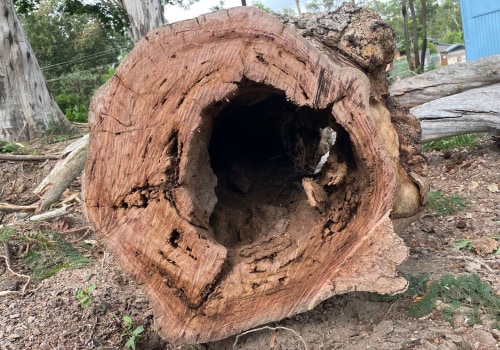
- Root Inspection: If accessible, the roots are examined for signs of decay or damage. Healthy roots are vital for nutrient uptake and overall tree health.
- Tree Species Identification: Different species have varying needs.
Identifying the tree species helps in determining specific care requirements, including appropriate fertilization methods.
- Recommendations: After completing the inspection, the arborist provides recommendations based on their findings. This may include suggestions for fertilization, pest control measures, or other treatments to enhance tree health.
Signs That Trees May Need Fertilization or Treatment
Identifying the signs that your trees may need fertilization or other treatments is crucial for maintaining their health and vitality. A thorough tree inspection can reveal several indicators that suggest your trees are not thriving as they should.Common Signs of Nutrient Deficiency
- Yellowing Leaves: If the leaves of your tree are turning yellow, especially if this occurs in the older leaves, it may indicate a nitrogen deficiency.
- Poor Growth: Stunted growth or a lack of new shoots can signal that your tree is not receiving the necessary nutrients.
- Leaf Drop: Excessive leaf drop, particularly during the growing season, can be a sign of stress due to nutrient deficiencies.
Physical Symptoms to Watch For
- Thin Canopy: A sparse canopy with fewer leaves than usual can indicate that your tree is struggling to absorb essential nutrients.
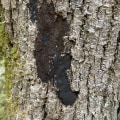
- Discoloration of Bark: Changes in bark color or texture may suggest underlying health issues that could be addressed with proper treatment.
When to Fertilize Trees
The best time to fertilize trees is typically in early spring or late fall when they are not actively growing.However, a tree inspection can help determine the specific needs of your trees based on their current health status. If you notice any of the signs mentioned above, it may be time to consult with an arborist who can provide tailored recommendations for fertilization or other treatments. Regular tree inspections not only help in identifying these signs but also ensure that your trees receive timely care, promoting their longevity and overall health.
How Tree Inspections Identify Nutrient Deficiencies
Tree inspections play a crucial role in identifying nutrient deficiencies that can affect the health and growth of trees. During an inspection, professionals assess various visual indicators that may suggest a tree is not receiving the necessary nutrients. For instance, leaves that are yellowing or exhibiting stunted growth can be signs of nitrogen deficiency, while poor fruit production may indicate a lack of potassium.In addition to visual assessments, soil testing is an essential component of a comprehensive tree inspection.By analyzing the soil composition, experts can determine the availability of key nutrients such as phosphorus, magnesium, and calcium. This information is vital for understanding the specific nutrient needs of the tree and developing an appropriate treatment plan.
- Visual Indicators: Look for symptoms like leaf discoloration, wilting, or abnormal growth patterns.
- Soil Testing: Conduct tests to measure pH levels and nutrient concentrations in the soil.
- Professional Assessment: Rely on certified arborists to interpret results and recommend treatments.
Moreover, a well-maintained tree contributes positively to the environment and enhances property value.In conclusion, a thorough tree inspection is an invaluable tool for identifying nutrient deficiencies and ensuring that trees receive the care they need to thrive. Engaging with professionals who specialize in tree health can lead to informed decisions about fertilization and other necessary treatments.
Common Treatments Recommended After a Tree Inspection
After a thorough tree inspection, several treatments may be recommended to enhance the health and vitality of your trees. These treatments can vary based on the specific needs identified during the inspection, but some common options include:- Fertilization: One of the most frequent recommendations is fertilization. Trees often require essential nutrients such as nitrogen, phosphorus, and potassium to thrive.
Depending on the soil quality and tree species, different fertilization methods may be employed:
- Granular Fertilizers: These are spread around the base of the tree and gradually release nutrients into the soil.
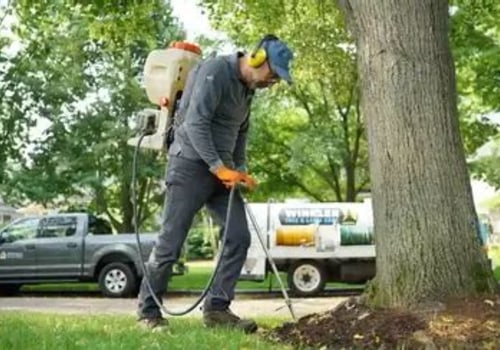
- Liquid Fertilizers: These can be applied directly to the soil or as a foliar spray for quick absorption.
- Soil Amendments: Organic materials like compost can improve soil structure and nutrient content.
- Pest Management: If pests are detected during the tree inspection, targeted treatments such as insecticides or natural pest deterrents may be necessary to protect tree health.
- Disease Control: Fungal infections or bacterial diseases can be addressed with appropriate fungicides or bactericides, depending on the diagnosis.
- Pruning: Removing dead or diseased branches not only improves aesthetics but also promotes better air circulation and light penetration, which are vital for tree health.
The Role of Professional Arborists in Tree Inspections
When it comes to tree inspections, the expertise of a professional arborist is invaluable. These trained specialists possess a deep understanding of tree biology, health, and the environmental factors that affect tree growth. Their role in conducting thorough inspections cannot be overstated, as they are equipped to identify not only visible issues but also underlying problems that may not be immediately apparent.Benefits of Hiring an Arborist
- Expert Diagnosis: Arborists can accurately diagnose diseases, pest infestations, and nutrient deficiencies that may require immediate attention.
- Customized Treatment Plans: Based on their findings during the inspection, arborists can recommend tailored treatment plans, including fertilization and other necessary interventions.
- Long-term Health Monitoring: Regular inspections by an arborist can help track the health of trees over time, ensuring that any emerging issues are addressed promptly.
This may include visual assessments, soil testing, and even advanced diagnostic equipment to evaluate root health. By examining factors such as leaf color, bark condition, and overall structure, they can determine whether a tree is thriving or struggling.
The Importance of Professional Insight
Moreover, the recommendations made by arborists are based on scientific principles and years of experience. Unlike general landscaping services, which may lack specialized knowledge, arborists focus solely on tree care. This specialization ensures that treatments are not only effective but also safe for the tree and its surrounding environment.In conclusion, engaging a professional arborist for tree inspections is a proactive step towards maintaining the health and vitality of your trees.
Their expertise not only helps in identifying trees that may need fertilization or other treatments but also contributes to the long-term sustainability of your landscape.
FAQs About Tree Inspections and Treatments
When it comes to tree inspections, many homeowners have questions about the process and its benefits. Here are some frequently asked questions that can help clarify the importance of tree inspections and the treatments that may follow.- What is a tree inspection?
A tree inspection is a thorough evaluation of a tree's health, structure, and overall condition. Certified arborists assess factors such as disease, pest infestations, and environmental stressors that may affect the tree's vitality. - How often should I have my trees inspected?
It is recommended to have your trees inspected at least once a year, especially if they are mature or show signs of distress. Regular inspections can help catch potential issues early. - What signs indicate that my tree needs treatment?
Look for signs such as yellowing leaves, dead branches, or unusual growth patterns.A tree that is losing bark or has visible insect activity may also require immediate attention.
- Can a tree inspection identify the need for fertilization?
Yes! During a tree inspection, an arborist can assess soil quality and nutrient levels. If deficiencies are found, they may recommend fertilization to promote healthy growth. - What types of treatments might be recommended after an inspection?
Treatments can vary widely based on the findings of the inspection. Common recommendations include fertilization, pest control, pruning, or even removal in severe cases.
Conclusion: The Value of Regular Tree Inspections for Healthy Trees
In conclusion, regular tree inspections play a crucial role in maintaining the health and vitality of trees.By identifying potential issues early, such as nutrient deficiencies or pest infestations, property owners can take proactive measures to ensure their trees thrive.During a tree inspection, trained professionals assess various factors that contribute to tree health, including:
- Soil quality: Analyzing soil composition helps determine if trees are receiving adequate nutrients.
- Tree structure: Inspecting branches and trunks for signs of weakness or disease can prevent future hazards.
- Pest and disease presence: Early detection of pests or diseases allows for timely treatment, minimizing damage.
Therefore, prioritizing regular inspections is essential for anyone looking to maintain a vibrant and sustainable outdoor environment.