A tree inspection is a systematic evaluation of a tree's health, structure, and overall condition. This process is essential for identifying potential risks and ensuring the safety of both the tree and its surrounding environment. During a tree inspection, certified arborists assess various factors, including the tree's species, age, growth patterns, and any signs of disease or pest infestations. By understanding these elements, property owners can make informed decisions about maintenance and care. The significance of a tree inspection extends beyond mere aesthetics; it plays a crucial role in preventing accidents caused by falling branches or uprooted trees.
Regular inspections can help detect early warning signs of structural weaknesses or health issues that may compromise the tree's integrity. This proactive approach not only protects people and property but also contributes to the longevity and vitality of the tree itself. In essence, a tree inspection serves as a vital tool for maintaining the health of urban and rural landscapes alike. By prioritizing these evaluations, individuals can foster a safer environment while promoting sustainable practices that benefit both trees and communities. Understanding what a tree inspection entails is the first step toward responsible tree stewardship and ensuring that these natural assets thrive for generations to come.
Why Are Tree Inspections Important?
Tree inspections are essential for several reasons, primarily focusing on safety, property value, and environmental health.Regular assessments can help identify potential hazards that trees may pose to people and property. For instance, a tree with a compromised root system or significant disease may be at risk of falling, which could lead to serious injuries or damage to structures. Moreover, maintaining the health of trees through inspections can significantly enhance property value. Healthy, well-maintained trees contribute to the aesthetic appeal of a property, making it more attractive to potential buyers. In fact, properties with mature trees often sell for higher prices compared to those without. Additionally, tree inspections play a vital role in promoting environmental benefits.
Trees provide numerous ecological advantages, such as improving air quality, supporting wildlife habitats, and reducing urban heat. By ensuring that trees are healthy and properly maintained, we can maximize these benefits and contribute positively to our environment. In summary, the importance of tree inspections cannot be overstated. They not only safeguard individuals and properties but also enhance the overall health of our ecosystems. Regular inspections can help detect issues early on, allowing for timely interventions that can save trees and maintain their contributions to our surroundings.
When Should You Schedule a Tree Inspection?
Scheduling a tree inspection is crucial for maintaining the health and safety of your trees.Knowing when to schedule these inspections can prevent potential hazards and ensure your trees thrive. Here are some key times and signs to consider:
Ideal Times for Tree Inspections
- Spring and Fall: These seasons are ideal for inspections as trees are either coming out of dormancy or preparing for it. Inspecting during these times allows you to assess the overall health and any potential issues that may arise.
- After Severe Weather: Following storms, heavy winds, or snow, it’s essential to inspect your trees for damage. Look for broken branches, leaning trunks, or any signs of uprooting.
- Before Major Landscaping Projects: If you’re planning to undertake landscaping work, a tree inspection can help identify any trees that may be at risk during the process.
Signs You Need a Tree Inspection
Being aware of specific signs can help you determine when a tree inspection is necessary:- Visible Damage: Cracks in the trunk, broken branches, or peeling bark are clear indicators that a tree needs professional evaluation.
- Pest Infestation: If you notice an increase in insects or signs of disease, such as discolored leaves or fungal growth, it’s time to schedule an inspection.
- Unusual Growth Patterns: Trees that exhibit stunted growth or abnormal shapes may require an assessment to determine underlying issues.
Regular evaluations can help catch problems early, allowing for timely interventions that promote healthy tree growth.
What Does a Tree Inspection Involve?
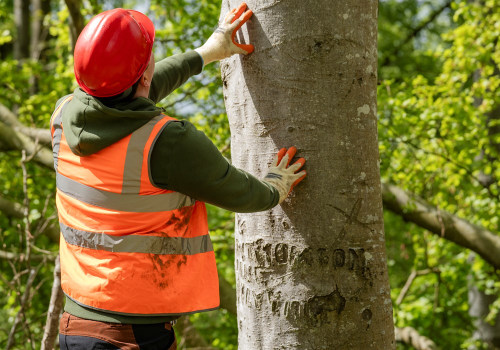
A tree inspection is a systematic process that involves evaluating the health, stability, and safety of trees. This assessment is crucial for identifying potential hazards and ensuring the well-being of both the trees and the surrounding environment. Here’s a breakdown of what typically happens during a tree inspection:- Visual Assessment: The inspector begins with a thorough visual examination of the tree. This includes checking for signs of disease, pest infestations, and structural issues such as cracks or decay.
- Root Inspection: If accessible, the roots may be examined to assess their health and stability.
This can involve looking for signs of root rot or damage caused by construction or soil compaction.
- Crown Evaluation: The crown of the tree is inspected for overall vitality. Inspectors look for leaf color, size, and density, which can indicate the tree's health.
- Use of Tools: Professionals may utilize various tools during a tree inspection. These can include:
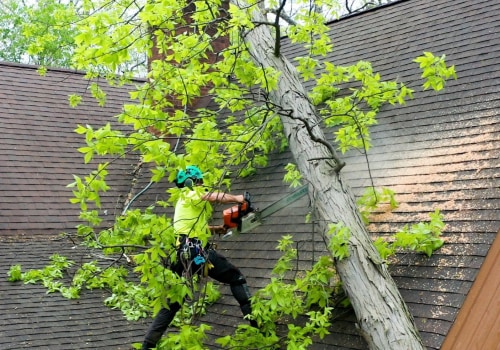
- Climbing Gear: For inspecting taller trees up close.
- Diagnostic Equipment: Such as resistographs or sonic tomographs to assess internal decay.
- Cameras: To document findings and provide visual evidence of any issues.
- Risk Assessment: After gathering all necessary information, the inspector evaluates the risk posed by the tree. This includes considering its location relative to structures and people.
By following these steps, professionals can make informed recommendations regarding maintenance, treatment, or removal if necessary. Regular inspections are essential for maintaining healthy trees and preventing potential hazards in urban and rural settings alike.
Types of Tree Inspections
When it comes to tree inspection, understanding the different types available is crucial for ensuring the health and safety of your trees. Each type of inspection serves a unique purpose and can provide varying levels of detail regarding the condition of a tree.Visual Inspections
A visual inspection is often the first step in assessing a tree's health. This type of inspection involves a thorough examination of the tree's exterior, including its trunk, branches, and leaves.Arborists look for signs of disease, pest infestations, or structural issues such as cracks or dead limbs. Visual inspections are typically quick and can be performed without specialized equipment, making them a cost-effective option for homeowners.
Detailed Inspections
For more comprehensive evaluations, detailed inspections are recommended. These assessments may involve advanced techniques such as:- Climbing inspections: Arborists may climb the tree to examine hard-to-reach areas, providing a closer look at potential problems.
- Diagnostic tools: Equipment like resistographs or sonic tomographs can measure wood density and detect internal decay.
- Soil analysis: Understanding the soil conditions around a tree can reveal factors affecting its health.
Comparing Visual and Detailed Inspections
While visual inspections are beneficial for quick assessments, they may not uncover hidden issues that could lead to significant problems down the line.In contrast, detailed inspections offer a more thorough understanding but require more time and resources. Ultimately, the choice between these types of tree inspections depends on the specific needs of the tree and the concerns of the property owner.
Who Should Perform a Tree Inspection?
When it comes to tree inspections, the qualifications of the individual performing the inspection are crucial. Not just anyone can assess the health and safety of a tree; it requires specialized knowledge and experience.Certified Arborists
- A certified arborist is a professional who has undergone rigorous training and testing to understand tree biology, health, and care.
- They are knowledgeable about various tree species, their growth patterns, and the common diseases that can affect them.
- Certification often requires ongoing education to stay updated on the latest practices and technologies in tree care.
Professional Tree Inspectors
- A professional tree inspector may not always be a certified arborist but should have substantial experience in assessing tree conditions.
- They often work in conjunction with arborists to provide comprehensive evaluations, especially for larger properties or commercial landscapes.
- These inspectors use specialized tools and techniques to identify potential hazards, such as structural weaknesses or pest infestations.
Why Hire a Professional?
- Safety: Trees can pose significant risks if they are unhealthy or unstable. A professional can identify these risks before they become dangerous.
- Expertise: Professionals bring a wealth of knowledge that can help in making informed decisions about tree care, maintenance, or removal.
- Long-term Health: Regular inspections by qualified individuals can lead to better long-term health for your trees, ensuring they thrive for years to come.
Whether you choose a certified arborist or a professional tree inspector, their expertise will provide invaluable insights into the condition of your trees.
Common Issues Identified During Tree Inspections
During a tree inspection, several common issues can be identified that may affect the health and stability of the tree. Recognizing these problems early can help in taking appropriate measures to ensure the longevity of the tree.- Pests and Insects: Infestations by pests such as aphids, borers, or beetles can weaken a tree significantly. Signs of pest damage include discolored leaves, holes in the bark, or visible insects on the tree.
- Diseases: Trees can suffer from various diseases caused by fungi, bacteria, or viruses. Symptoms may include wilting leaves, unusual growths, or bark lesions.
Identifying these signs during a tree inspection is crucial for treatment.
- Root Problems: The health of a tree often starts below ground. Issues such as root rot or girdling roots can compromise stability and nutrient uptake. Signs include leaning trees or soil that appears excessively moist.
- Structural Issues: Poor branch structure can lead to breakage during storms. Inspectors look for weak branch unions, excessive weight on certain limbs, or signs of decay within branches.
- Environmental Stress: Factors such as drought, soil compaction, or pollution can stress trees.
Symptoms include leaf scorch, stunted growth, or premature leaf drop.
Cost of Tree Inspections
Understanding the cost of tree inspections is essential for homeowners and property managers who want to maintain the health and safety of their trees. The price of a tree inspection can vary significantly based on several factors.Factors Influencing Tree Inspection Costs
- Location: The geographical area plays a crucial role in determining the cost. Urban areas may have higher rates due to increased demand and operational costs.
- Tree Size and Type: Larger trees or those that are more complex to inspect may incur higher fees.
Certain species may also require specialized knowledge, affecting pricing.
- Inspection Type: A basic visual inspection will generally cost less than a comprehensive assessment that includes diagnostic tools or laboratory analysis.
- Experience of the Arborist: Certified arborists with extensive experience may charge more for their expertise, but this can lead to more accurate assessments.
Additional Costs to Consider
In some cases, additional services such as tree trimming, removal, or treatment recommendations may be offered during the inspection. These services can add to the overall cost but are often necessary for maintaining tree health.Ultimately, investing in a professional tree inspection is a proactive measure that can save money in the long run by preventing costly damage from unhealthy trees. Always obtain quotes from multiple arborists to ensure you receive fair pricing and quality service.FAQs About Tree Inspections
Tree inspections are essential for maintaining the health and safety of your trees.Here are some frequently asked questions that can help clarify what a tree inspection entails:
- What is a tree inspection?
A tree inspection is a thorough evaluation of a tree's health, structure, and safety. It involves assessing the tree for signs of disease, pest infestations, structural weaknesses, and overall vitality. - Why should I have my trees inspected?
Regular inspections can prevent potential hazards, such as falling branches or tree failure. They also help identify any issues early on, allowing for timely intervention and care. - How often should I have my trees inspected?
It is generally recommended to have your trees inspected at least once a year. However, if you notice any changes in your tree's appearance or health, such as wilting leaves or unusual growth patterns, you should seek an inspection sooner. - What does a tree inspector look for?
A qualified tree inspector will evaluate several factors, including:
- Overall tree structure and stability
- Signs of disease or pest damage
- Root health and soil conditions
- Branch integrity and canopy density
They not only ensure the safety of your property but also contribute to the longevity and beauty of your landscape. If you have further questions about the process or need to schedule an inspection, don't hesitate to reach out to a certified arborist.
Conclusion: The Value of Regular Tree Inspections
In conclusion, regular tree inspections are essential for maintaining the health and safety of both your trees and your property. Throughout this article, we have explored the various aspects of tree inspections, including their purpose, the signs that indicate a tree may need inspection, and the benefits of having a professional arborist conduct these evaluations. One of the primary reasons for conducting tree inspections is to identify potential hazards. Trees can develop structural weaknesses or diseases that may not be immediately visible to the untrained eye. By scheduling regular inspections, you can catch these issues early, preventing potential accidents or damage to your home and surrounding landscape. Additionally, tree inspections contribute to the overall health of your trees.Arborists can assess the condition of your trees and recommend necessary treatments or maintenance practices. This proactive approach not only enhances the aesthetic appeal of your property but also promotes longevity in your trees. Moreover, understanding the local regulations regarding tree care can further emphasize the importance of regular inspections. Many municipalities have guidelines that require property owners to maintain their trees to ensure public safety. Failing to comply with these regulations can lead to fines or liability issues. In summary, investing in regular tree inspections is a wise decision for any property owner.
It safeguards your investment, enhances safety, and promotes a healthier environment. Don’t wait for visible signs of trouble; make tree inspections a part of your routine property maintenance.