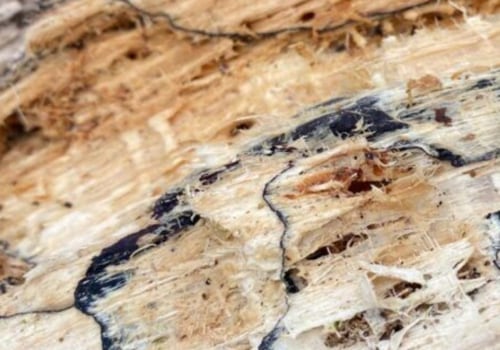
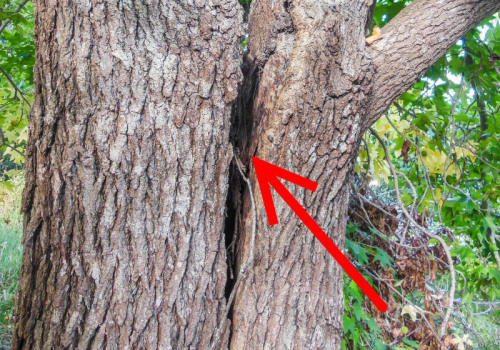
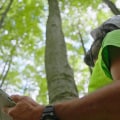
Tree inspections are a critical practice for maintaining the health and longevity of our urban and rural forests. These assessments involve a thorough examination of trees to identify any signs of stress, disease, or damage caused by environmental factors. Understanding the importance of tree inspection is essential for both property owners and environmental stewards, as it allows for early detection of issues that could compromise tree health and safety. During a tree inspection, certified arborists evaluate various aspects such as the tree's structure, root system, and overall vitality. They look for indicators of environmental stressors like soil compaction, inadequate water supply, or pest infestations.
By recognizing these factors early on, we can implement effective strategies to mitigate their effects, ensuring that trees continue to thrive in their ecosystems. The benefits of tree inspection extend beyond just the individual tree; they contribute to the overall health of the environment. Healthy trees provide numerous ecosystem services, including improved air quality, enhanced biodiversity, and increased property values. By prioritizing regular inspections, we not only protect our trees but also promote a sustainable environment for future generations.
Common Environmental Factors Affecting Trees
Understanding the environmental factors that affect trees is essential for maintaining their health and longevity. Various stressors can significantly impact tree vitality, leading to a range of health issues.Soil Quality
- Soil composition plays a crucial role in tree health.
Nutrient-deficient soils can hinder growth and make trees more susceptible to diseases.
- Compacted soil can restrict root development, limiting access to water and nutrients.
- Regular soil testing can help identify deficiencies and inform necessary amendments.
Climate Change
- Rising temperatures and altered precipitation patterns can stress trees, making them more vulnerable to pests and diseases.
- Extreme weather events, such as droughts or heavy storms, can physically damage trees or disrupt their growth cycles.
- Implementing sustainable practices, such as mulching and proper watering techniques, can help mitigate these effects.
Pests and Diseases
- Pest infestations, such as those caused by bark beetles or aphids, can weaken trees and lead to decline.
- Fungal infections, like root rot or powdery mildew, can also pose significant threats to tree health.
- Regular tree inspections are vital for early detection of these issues, allowing for timely intervention.
Urbanization Effects
- The expansion of urban areas often leads to increased pollution, which can adversely affect tree health.
- Limited space for root growth due to pavement or construction can lead to stress and decline.
- Planting native species that are adapted to local conditions can enhance resilience against urban stressors.
Steps to Mitigate Soil Quality Issues
Improving soil quality is essential for enhancing tree health and resilience. Based on the findings of a tree inspection, several practical steps can be taken to address soil quality issues.1.Conduct Soil Testing
The first step in managing soil quality is to conduct a comprehensive soil test. This analysis will provide valuable information about nutrient levels, pH balance, and organic matter content. Understanding these factors allows for targeted amendments that can significantly improve soil conditions.2.Apply Soil Amendments
Once the soil test results are available, consider applying appropriate soil amendments.Common amendments include:
- Compost: Enhances nutrient content and improves soil structure.
- Mulch: Helps retain moisture, suppress weeds, and gradually adds organic matter as it decomposes.
- Lime or Sulfur: Adjusts soil pH to optimal levels for tree growth.
3.Ensure Proper Drainage
Poor drainage can lead to waterlogged conditions that are detrimental to tree roots. To mitigate this issue:- Evaluate the landscape for areas where water tends to accumulate.
- Implement drainage solutions such as French drains or swales to redirect excess water away from tree roots.
4.Monitor Soil Health Regularly
After implementing these strategies, it’s crucial to monitor soil health regularly. Repeating soil tests every few years can help track improvements and adjust management practices as needed.Maintaining healthy soil is an ongoing process that directly impacts tree vitality. By taking these steps to improve soil quality, you can significantly enhance the health and resilience of your trees, ensuring they thrive in their environment.
Addressing Climate Change Impacts on Trees
Climate change poses significant challenges to the health and longevity of trees. As temperatures rise and weather patterns become more erratic, trees face increased stress from drought, pests, and diseases. Understanding these climate change effects on trees is crucial for developing effective management strategies.One of the primary impacts of climate change is the alteration of growing seasons. Trees may begin to leaf out earlier in the spring and retain their foliage longer into the fall.This shift can lead to mismatches with local wildlife, such as pollinators and seed dispersers, which may not adapt as quickly. To mitigate these effects, tree care practices should include:
- Species Selection: Choose tree species that are more resilient to changing climates. Native species often have better adaptability to local conditions.
- Soil Health: Maintain healthy soil through organic amendments and mulching. Healthy soil supports root systems that can better withstand drought.
- Irrigation Management: Implement efficient irrigation systems to ensure trees receive adequate water during dry spells without overwatering.
- Pest Management: Monitor for pests and diseases that may thrive in warmer conditions.
Integrated pest management (IPM) strategies can help control outbreaks effectively.
- Regular Tree Inspections: Conducting thorough tree inspections can identify early signs of stress or disease, allowing for timely intervention.
- Pruning Practices: Proper pruning can improve air circulation and reduce the risk of disease, especially in humid conditions.
- Community Engagement: Educate local communities about the importance of tree care in a changing climate, fostering a culture of stewardship.
Managing Pests and Diseases Post-Inspection
After a tree inspection, it is crucial to address any identified pests and diseases promptly to ensure the long-term health of your trees. Here are some effective strategies for managing these threats:Identifying Pests and Diseases
Begin by closely examining the tree for signs of infestation or infection. Common indicators include:- Discoloration of leaves or bark
- Unusual growths, such as galls or cankers
- Visible pests, like aphids or beetles
- Fungal growth on the trunk or soil
Pest Management Strategies
Once pests are identified, consider the following management options:- Cultural Controls: Implement practices that promote tree health, such as proper watering, mulching, and pruning to improve air circulation.
- Biological Controls: Introduce natural predators, like ladybugs for aphids, to help keep pest populations in check.
- Chemical Treatments: If infestations are severe, applying insecticides or fungicides may be necessary.
Always follow label instructions and consider organic options when possible.
Disease Control Measures
For trees affected by diseases, the following steps can be beneficial:- Pruning: Remove infected branches to prevent the spread of disease.
- Soil Management: Ensure good drainage and aeration in the soil to reduce root rot risks.
- Fungicides: Apply appropriate fungicides as a preventive measure during high-risk periods.
Implementing Proper Watering Techniques
Effective watering techniques are crucial for maintaining the health of trees, especially in areas prone to drought or inconsistent rainfall. Proper hydration not only helps trees survive but also promotes robust growth and resilience against environmental stressors.One of the most effective methods for irrigation is deep watering.This technique involves applying water slowly and deeply to the root zone, encouraging roots to grow deeper into the soil. Here are some key practices to consider:
- Watering Schedule: Establish a consistent watering schedule, particularly during dry spells. Young trees may require watering once a week, while established trees can often thrive with less frequent watering.
- Soil Moisture Monitoring: Use a moisture meter or simply check the soil by hand. Water when the top 2-3 inches of soil feel dry to the touch.
- Watering Technique: Use a soaker hose or drip irrigation system to deliver water directly to the roots.
This minimizes evaporation and ensures that water penetrates deeply into the soil.
The Role of Mulching in Tree Health
Mulching is a vital practice in tree care that offers numerous benefits, particularly in mitigating the effects of environmental stressors.By applying a layer of organic or inorganic material around the base of trees, you can significantly enhance their health and resilience.
Benefits of Mulching Trees
- Moisture Retention: Mulch helps retain soil moisture by reducing evaporation, ensuring that trees have a consistent water supply, especially during dry spells.
- Soil Temperature Regulation: A layer of mulch acts as an insulator, keeping the soil cooler in summer and warmer in winter, which is crucial for root health.
- Weed Suppression: By blocking sunlight, mulch prevents weed growth that competes with trees for nutrients and water.
- Soil Enrichment: Organic mulches decompose over time, adding essential nutrients back into the soil and improving its structure.
How to Mulch Trees
To effectively mulch your trees, follow these guidelines:
- Select the Right Material: Use organic materials like wood chips, bark, or straw for best results. Inorganic options like gravel can also be used but may not provide the same benefits.
- Apply the Correct Depth: Aim for a mulch depth of 2 to 4 inches. Too much mulch can suffocate roots, while too little may not provide adequate protection.
- Avoid Contact with the Trunk: Keep mulch at least 6 inches away from the tree trunk to prevent moisture buildup and potential rot.
Mulching Techniques for Tree Care
Implementing effective mulching techniques can further enhance tree health:
- Layering: Consider layering different types of mulch to maximize benefits. For example, a base layer of coarse material topped with finer mulch can improve moisture retention.
- Regular Maintenance: Replenish mulch annually to maintain its effectiveness and ensure it continues to provide benefits as it decomposes.
Creating a Tree Care Plan Based on Inspection Findings
After conducting a thorough tree inspection, the next crucial step is to develop a comprehensive tree care plan tailored to the specific needs of your trees.This plan should be based on the findings of the inspection, addressing any identified issues and promoting long-term health and resilience.
Assessing Inspection Findings
Begin by reviewing the results of your tree inspection. Identify key factors such as:- Tree species and their specific care requirements
- Signs of disease or pest infestations
- Soil quality and moisture levels
- Structural integrity and potential hazards
Developing a Customized Tree Care Strategy
With the inspection findings in hand, you can create a customized action plan. Consider the following strategies:- Pruning: Schedule regular pruning to remove dead or diseased branches, improving air circulation and light penetration.
- Pest Management: Implement integrated pest management (IPM) techniques to control pests while minimizing harm to beneficial organisms.
- Soil Amendments: Based on soil analysis, add necessary nutrients or organic matter to enhance soil health.
- Irrigation: Establish a watering schedule that meets the specific needs of each tree, especially during dry spells.
- Monitoring: Set up a routine monitoring system to track tree health and detect any changes early.
Frequently Asked Questions About Tree Inspections and Care
When it comes to tree inspections, many homeowners have questions about the process and the subsequent care required for their trees.Here are some frequently asked questions that can help clarify these concerns:
What is a tree inspection?
A tree inspection is a thorough assessment of a tree's health, structure, and overall condition. This process typically involves examining the tree for signs of disease, pest infestations, structural weaknesses, and environmental stressors.How often should I have my trees inspected?
It is recommended to have your trees inspected at least once a year, especially if they are older or located near structures. Regular inspections can help identify potential issues before they become serious problems.What are common signs that my tree needs an inspection?
- Discoloration of leaves or bark
- Unusual growth patterns, such as leaning or dead branches
- Pest activity, including visible insects or nests
- Fungal growth on the trunk or roots
What steps can I take after a tree inspection?
After a tree inspection, it’s crucial to follow up with appropriate care strategies:- Pruning: Remove dead or diseased branches to promote healthy growth.
- Watering: Ensure your trees receive adequate water, especially during dry spells.
- Pest control: Implement measures to manage any identified pest issues.
- Nutrient management: Consider fertilizing your trees based on soil tests and specific nutrient needs.
Conclusion: Ensuring Tree Longevity Through Proactive Measures
In conclusion, the findings from a tree inspection serve as a crucial foundation for implementing effective strategies to mitigate environmental factors that threaten tree health.By understanding the specific challenges identified during the inspection, tree owners can take proactive measures to ensure the longevity and vitality of their trees. One of the primary steps is to address any signs of disease or pest infestations promptly. Regular monitoring and treatment can prevent minor issues from escalating into significant problems. Additionally, maintaining proper soil health through fertilization and mulching can enhance nutrient availability and moisture retention, which are vital for tree growth. Furthermore, it is essential to consider the surrounding environment. Implementing erosion control measures and ensuring adequate drainage can protect tree roots from waterlogging and soil degradation.
Planting companion plants that support tree health can also create a more balanced ecosystem. Another critical aspect is pruning. Regularly scheduled pruning not only improves air circulation but also removes dead or diseased branches, reducing the risk of further infection. This practice should be guided by the insights gained from the tree inspection, focusing on areas that require immediate attention. Lastly, educating oneself about local environmental conditions and potential threats can empower tree owners to make informed decisions. By staying vigilant and responsive to changes in their trees' health, individuals can foster a sustainable environment that promotes tree longevity. In summary, the proactive measures taken post-inspection are vital in safeguarding trees against environmental factors.
By prioritizing tree health through informed actions, we can ensure that our trees thrive for generations to come.