Understanding the Importance of Tree Inspection
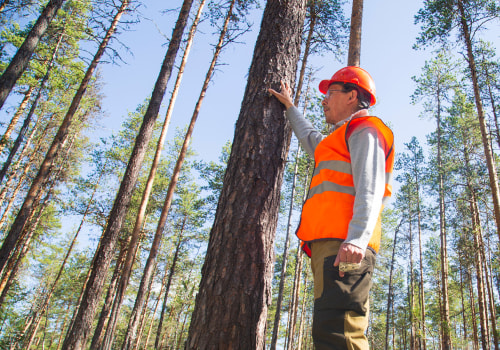
Tree inspection is a crucial practice for maintaining the health and safety of your property. Whether you're a homeowner or a professional landscaper, regular assessments can prevent potential hazards and promote the longevity of your trees. It involves evaluating the overall health of a tree, identifying any diseases or structural issues, and planning for necessary interventions.
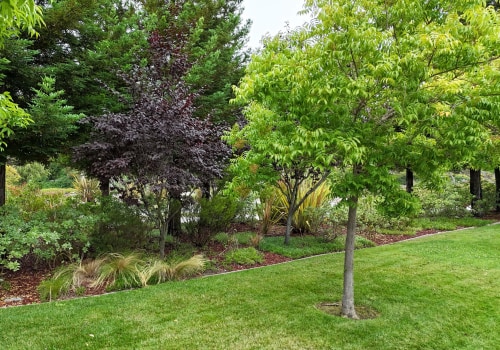
Healthy trees not only enhance the aesthetics of your property but also contribute to the environment by providing shade, improving air quality, and supporting wildlife. However, neglecting regular inspections can lead to safety risks, particularly during storms, as weakened trees or branches may fall, causing damage or injury.
How to Conduct a Basic Tree Inspection
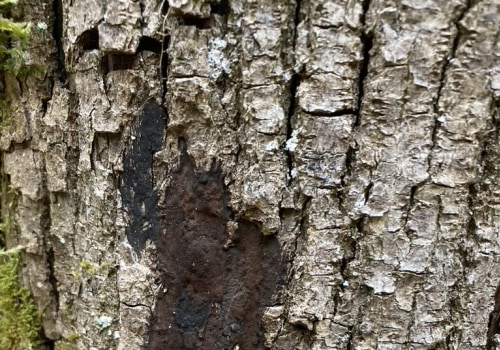
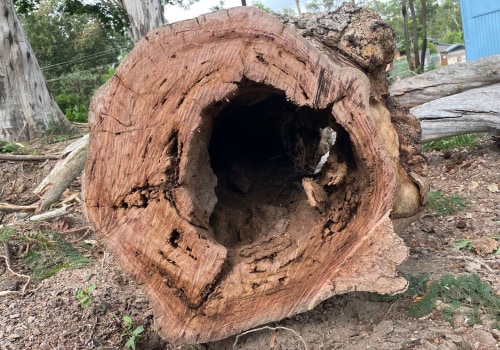
Conducting a basic tree inspection involves a few key steps. Start by examining the tree from a distance to get an overall sense of its health. Look for any unusual tilts, as these could indicate root damage. Next, check the trunk for cracks, holes, or missing bark, which may suggest decay or pest infestation.
- Canopy Health: Observe the foliage for uniformity. Sparse leaves or discolored patches might be a sign of disease.
- Root Health: Exposed roots can indicate instability. Ensure the roots are firmly anchored in the soil.
- Branch Structure: Inspect for dead or broken branches that could pose a hazard.
For a more thorough evaluation, consider hiring a certified arborist who can provide expert insights and recommend appropriate care strategies.
Small Tree Removal: Tools and Techniques
When it comes to removing small trees, having the right tools is essential for efficiency and safety. A broad range of equipment is available, from manual cutting tools to powered machinery. Selecting the right tool depends on the size of the tree and the complexity of the removal task.
Popular Small Tree Removal Tools
For small trees, the following tools are commonly recommended:
- Pruning Saws: Ideal for cutting through smaller branches and trunks.
- Chainsaws: Useful for larger trunks, offering quick and effective cutting.
- Stump Grinders: Essential for complete removal, ensuring no regrowth.
- Tree Pullers: Efficient for uprooting small trees and shrubs.
Investing in quality equipment can save time and reduce physical effort. It's crucial to assess the tool's specifications, such as power output and safety features, to ensure it meets your needs.
Q: What factors should I consider when choosing a small tree removal tool?
A: Consider the tree size, tool power, ease of use, and safety features. Consulting with experts like CL Fabrication can help match the right tool to your specific needs.
The Cost-Effectiveness of Owning Small Tree Removal Tools
While hiring professional services for tree removal is a viable option, owning removal tools can be more cost-effective in the long run, especially for frequent tasks. It provides the flexibility to manage tree removal on your schedule without incurring recurring service fees.
Before purchasing, research the market to understand the pricing range. Factors such as brand reputation, tool durability, and additional features can influence the cost. It's also beneficial to consider the long-term maintenance costs and availability of spare parts.
Contact CL Fabrication for Expert Advice and Pricing
For those in Clarinda and surrounding areas, CL Fabrication offers a selection of high-quality tools designed for small tree removal. Their expertise in equipment can guide you in making an informed purchasing decision tailored to your needs. To inquire about the small tree removal tool price, reach out to C L Fabrication company through their website or by visiting their local facility.
By leveraging the right tools and strategies for tree inspection and removal, you can maintain a safe, aesthetically pleasing property while ensuring the health and sustainability of your trees.