Many homeowners view arborists primarily as tree care specialists who focus on pruning, disease prevention, and maintaining the health of landscapes. While these responsibilities are certainly important, arborists often identify warning signs that extend beyond the condition of trees themselves. In many cases, unusual tree behavior can indicate hidden issues beneath the ground, including problems that may affect residential plumbing systems. Because tree roots naturally seek out moisture, changes in growth patterns, soil conditions, and tree health can sometimes serve as early indicators of underground water leaks, damaged sewer lines, or drainage concerns. These subtle signs frequently go unnoticed by property owners, yet they can provide valuable clues about developing plumbing issues before they become expensive repairs.
Unusually Lush Growth Can Signal Hidden Leaks
One of the most common warning signs arborists monitor is unusually vigorous growth in a specific area of a yard. When a tree or group of plants appears significantly healthier, greener, or faster-growing than surrounding vegetation, it may be benefiting from a consistent underground water source. While this can occasionally result from natural soil conditions, it may also indicate a leaking water supply line or a compromised irrigation system. Roots naturally gravitate toward moisture-rich environments, and arborists often recognize growth patterns that suggest water is accumulating where it should not be. In some situations, homeowners may not notice any visible plumbing symptoms inside the home, making these landscape clues particularly valuable as an early warning system.
Soil Changes Around Trees and Root Zones
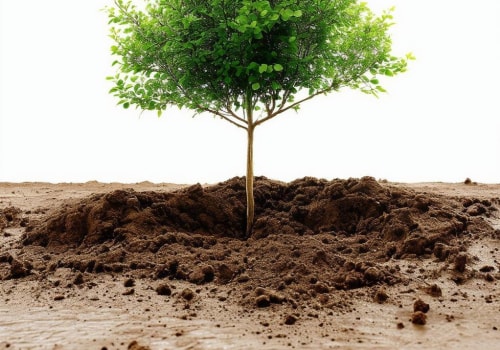
Another overlooked indicator involves changes in the soil surrounding trees. Arborists frequently observe areas where soil remains consistently damp, develops unusual depressions, or shows signs of erosion without an obvious explanation. These conditions may suggest underground plumbing leaks that are altering moisture levels beneath the surface. Excess water can gradually weaken soil structure, affecting both tree stability and underground utility lines. Over time, shifting soil conditions can place additional pressure on pipes, increasing the risk of cracks, separations, or drainage issues. Because arborists routinely evaluate root zones and soil health, they are often among the first professionals to recognize patterns that point toward hidden infrastructure concerns.
Root Behavior as an Indicator of Plumbing Problems
Root growth itself can provide important clues. Trees with roots aggressively extending toward a particular section of a property may be responding to moisture escaping from damaged plumbing lines. While roots are often blamed for causing pipe damage, the reality is that roots are frequently attracted to existing weaknesses in pipes rather than creating the initial problem. Arborists understand these growth patterns and may recommend further investigation when roots appear concentrated around sewer lines, drainage systems, or water supply routes. In some cases, cooperation between tree care specialists and plumbing professionals helps identify issues before they escalate into major property damage. Companies such as Brightwater Plumbing of Oviedo often address situations where landscape observations ultimately lead to the discovery of hidden plumbing concerns.
Leaning Trees and Ground Movement
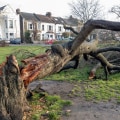
Arborists also pay close attention to leaning trees, exposed roots, and signs of shifting ground. Although these conditions are commonly associated with storms, erosion, or structural tree issues, they can sometimes be connected to underground water movement caused by plumbing leaks. Persistent moisture beneath the soil may gradually alter ground stability, affecting both root systems and nearby utilities. Trees may begin leaning unexpectedly, roots may become exposed, or sections of landscaping may settle unevenly. These warning signs can serve as important indicators that something beneath the surface requires attention.
Why Early Detection Matters
The connection between tree health and plumbing infrastructure is often overlooked, yet arborists regularly encounter evidence of this relationship during routine inspections. By recognizing unusual growth patterns, soil changes, root behavior, and ground movement, arborists can help property owners identify potential plumbing issues long before visible symptoms appear inside the home. Paying attention to these subtle indicators not only protects trees and landscapes but can also help prevent costly repairs and preserve the long-term integrity of a property's plumbing system.