Trees are valuable assets that enhance the beauty, comfort, and environmental quality of residential and commercial properties. They provide shade, improve air quality, increase privacy, and contribute to the overall appeal of a landscape. However, mature trees can also become significant hazards during severe storms if they are not properly maintained or routinely inspected. High winds, heavy rainfall, snow, and lightning can expose hidden weaknesses that may cause branches or entire trees to fail unexpectedly. Tree inspections provide property owners with the opportunity to identify structural weaknesses before extreme weather occurs, helping reduce the risk of damage to homes, garages, fences, vehicles, and other nearby structures. Proactive inspections are an important part of responsible property maintenance because they focus on preventing problems rather than responding after damage has already occurred.
Recognizing Hidden Structural Weaknesses
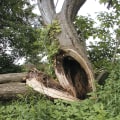
Many tree-related hazards develop gradually and remain difficult to detect without a thorough evaluation. Internal decay, hollow trunks, root damage, fungal growth, weak branch attachments, and cracks within major limbs may not be obvious during a casual visual inspection. Even healthy-looking trees can develop structural defects that compromise their ability to withstand severe weather. During a professional inspection, these conditions are carefully evaluated to determine whether pruning, cabling, bracing, or removal is appropriate. Identifying these concerns early allows property owners to take corrective action before storms place additional stress on already weakened trees. Preventive maintenance significantly reduces the likelihood of falling branches or tree failures that could damage nearby buildings or create safety hazards.
Protecting Homes and Outdoor Structures
Storm-related tree damage extends beyond broken branches. Large limbs can puncture roofing materials, damage gutters, break windows, destroy fences, or impact decks and patios. Entire trees may fall onto homes, garages, utility lines, or driveways when root systems have been weakened by disease, saturated soils, or previous storm damage. Tree inspections evaluate not only the condition of the tree itself but also its relationship to surrounding structures. Branches extending too close to buildings, power lines, or heavily used outdoor spaces can often be managed through selective pruning before they become dangerous. Property owners who make tree inspections part of their regular maintenance schedule are better positioned to reduce storm-related repair costs while improving the overall safety of their property. For additional information about professional tree care services and maintenance recommendations, many providers encourage homeowners to View website resources that explain inspection processes and seasonal care practices.
Supporting Long-Term Landscape Health
Tree inspections provide benefits beyond storm preparation. Regular evaluations help identify diseases, insect infestations, nutrient deficiencies, and environmental stresses that may affect the long-term health of valuable trees. Healthy trees generally have stronger branch structures, more stable root systems, and a greater ability to recover after severe weather events. Routine maintenance, including proper pruning and monitoring, encourages balanced growth that reduces excessive canopy weight and minimizes wind resistance during storms. By maintaining healthier trees throughout the year, property owners create landscapes that are both safer and more resilient while preserving the environmental and aesthetic value that mature trees provide.
Preventing Costly Structural Damage
Repairing storm-related structural damage can be expensive, especially when fallen trees affect roofs, foundations, vehicles, or outdoor living spaces. Emergency tree removal, roof repairs, water intrusion, and structural restoration often require significant time and financial investment. Tree inspections represent a proactive approach that helps reduce these risks before severe weather arrives. Corrective pruning, hazard removal, and ongoing monitoring are typically far less costly than repairing damage after a storm. Early intervention also improves occupant safety by reducing the likelihood of sudden tree failures during high winds or heavy rainfall.
A Proactive Strategy for Safer Properties
Tree inspections are an essential part of protecting both landscapes and nearby structures from storm-related hazards. By identifying hidden weaknesses, monitoring tree health, and addressing potential problems before severe weather strikes, property owners can significantly reduce the risk of structural damage and improve overall property safety. Regular inspections support healthier trees, more resilient landscapes, and stronger buildings that are better prepared to withstand changing weather conditions. Combining preventive tree care with responsible property maintenance helps safeguard homes, businesses, and outdoor spaces while preserving the long-term beauty and value of the landscape for years to come.